
Pruning
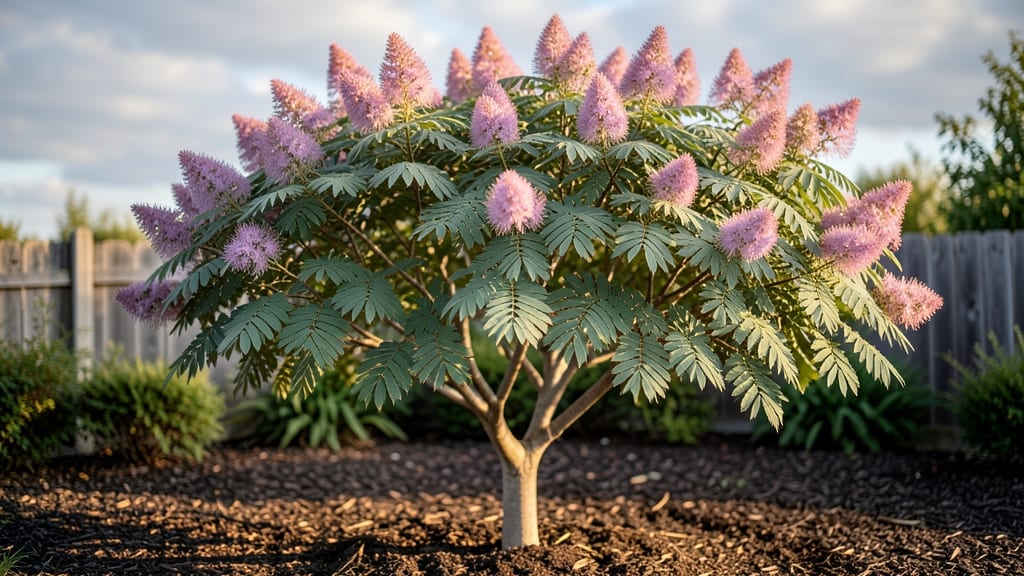
Caring for a Rose of Sharon Tree 🌸 means unlocking its stunning blooms year after year—but too many gardeners miss the simple tricks that make all the difference.
Picture this: You’ve just planted your Hibiscus syriacus, excited for its vibrant flowers, only to watch it struggle with weak growth or sparse blooms. The secret? Pruning at the right time, feeding it the right way, and avoiding common pitfalls like overwatering or neglecting soil health.
In this guide, I’ll walk you through the exact steps to keep your Rose of Sharon thriving—from seasonal pruning that boosts flowers to watering schedules that prevent stress. Whether you’re a beginner or a seasoned gardener, these tips will transform your tree into a blooming powerhouse.
Ready to turn your Rose of Sharon into the star of your garden? Let’s dive in.
When and how to prune Rose of Sharon trees for maximum blooms
The Rose of Sharon tree (Hibiscus syriacus) thrives when given the right attention, and pruning is the secret to keeping it lush and flowering abundantly. Unlike many shrubs, this beauty actually benefits from aggressive pruning—when done correctly, it encourages more vibrant blooms and a healthier structure.
The key is timing and technique, so let's dive into the best practices that will transform your tree into a blooming superstar.
Many gardeners avoid pruning their Rose of Sharon because they fear damaging the plant. But with the right approach, you can rejuvenate old wood and promote new growth. The best time to prune is late winter or early spring, just before new growth begins.
This timing gives your tree the chance to heal before summer's heat and allows you to shape it while it's still dormant. Let's break down the process step by step.
Step-by-Step Guide to Pruning Rose of Sharon
One of the most common mistakes gardeners make is pruning at the wrong time. Avoid cutting back in fall or winter, as this can leave your tree vulnerable to cold damage.
Another pitfall is being too gentle—Rose of Sharon actually needs aggressive pruning to thrive. If you're hesitant, start with moderate cuts and observe how your tree responds before going all-out next year.
Did you know that aggressive pruning can actually increase flower production? By removing older wood, you're encouraging new growth from the base, which produces more blooms. This is why many gardeners prune their Rose of Sharon trees hard—up to 1/3 of the plant's height—every few years.
Just remember to space out heavy pruning sessions to avoid shocking the tree.
For young Rose of Sharon trees (under 3 years old), focus on shaping and thinning rather than heavy cutting. You can remove a few of the tallest branches to encourage a bushier form.
As the tree matures, you'll gradually increase the intensity of your pruning. Always step back and visualize the final shape—this will help you avoid over-pruning or creating an unbalanced silhouette.
If you're new to pruning, start with small, manageable sections of your tree. This makes the process less overwhelming and allows you to learn the plant's response before tackling the entire shrub. Over time, you'll develop an eye for how much to cut and where.
And don't forget—patience is key. Some gardeners report fewer blooms the first year after heavy pruning, but the payoff comes in subsequent seasons with vibrant, abundant flowers.
Pro tip: Mark your calendar for late winter or early spring—this is the ideal 4-6 week window before new growth begins. If you miss this window, you can do a light pruning in summer to remove any overly leggy growth, but avoid heavy cuts during the growing season.
Your Rose of Sharon will thank you with show-stopping blooms all season long!
🌸
Essential Rose of Sharon tree care beyond pruning: watering, soil, and pest control
Your Rose of Sharon tree (Hibiscus syriacus) thrives when you go beyond pruning to focus on its core needs. Proper watering, soil health, and pest prevention create the foundation for vibrant blooms and robust growth. Let’s break down the essentials to keep your tree flourishing season after season.
First, watering plays a critical role in your tree’s health. While Rose of Sharon is drought-tolerant once established, young trees need consistent moisture. Aim for a deep watering every 7-10 days during the growing season, ensuring the soil is moist but not soggy.
Morning watering is ideal to reduce evaporation and fungal risks.
Next, soil quality directly impacts your tree’s ability to absorb nutrients. Rose of Sharon prefers well-draining soil with a slightly acidic to neutral pH (6.0-7.0). Amend heavy clay soil with compost or sand to improve drainage.
A 2-3 inch layer of mulch around the base retains moisture and regulates soil temperature.
| Care Aspect | Requirement | Best Practice |
|---|---|---|
| Watering | Deep soak | Morning watering, 1-2 gallons weekly (established) |
| Soil | Well-draining | pH 6.0-7.0, amended with compost |
| Sunlight | Full sun | 6-8 hours daily for optimal blooms |
| Fertilizer | Balanced | 10-10-10, early spring and mid-summer |
| Pest Control | Organic | Neem oil for aphids, prune infected branches |
Don’t overlook fertilization—it’s key to extending your tree’s bloom season. Apply a balanced fertilizer (10-10-10) in early spring and again in mid-summer to encourage healthy foliage and abundant flowers. Avoid fertilizing in late summer or fall, as this can stimulate tender new growth vulnerable to frost damage.
For pest control, prevention is your best strategy. Inspect your tree regularly for signs of aphids, Japanese beetles, or powdery mildew. Use neem oil or insecticidal soap for organic pest management.
Prune and dispose of infected branches immediately to prevent spread, and ensure good air circulation around the tree.
Finally, sunlight is non-negotiable for your Rose of Sharon. Plant it in a location with 6-8 hours of full sun daily to maximize blooming. While it can tolerate partial shade, reduced sunlight often leads to fewer flowers.
If your tree isn’t blooming as expected, reassess its light exposure and adjust as needed.