
Trees
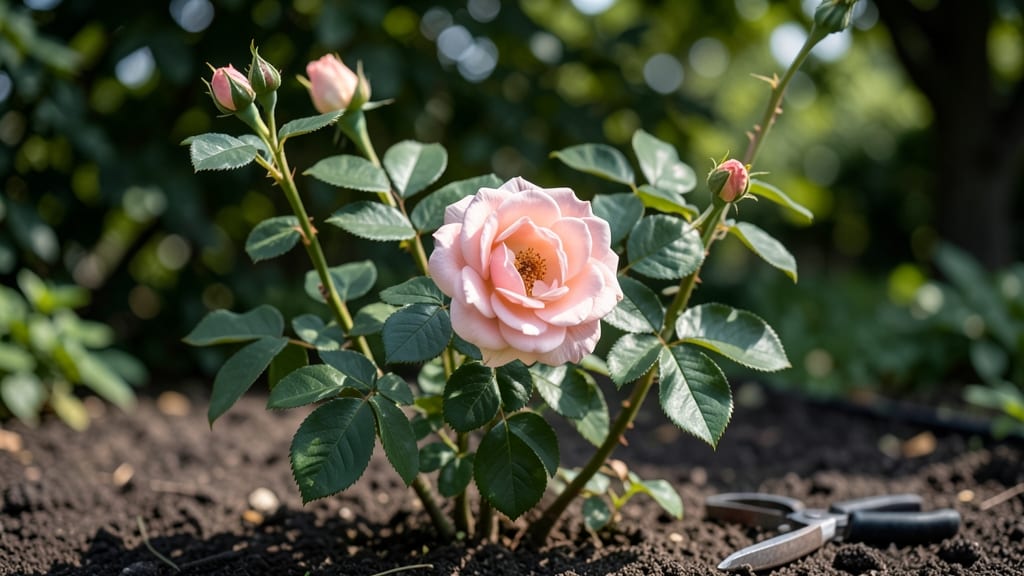
Caring for rose trees means the difference between thorny bushes and showstopping blooms that smell like summer all year. 🌹 I've spent years perfecting my approach—from the first flush of spring blooms to winter's dormant branches—and the secret isn't complicated equipment, but understanding what roses need at each season.
The foundation starts with soil that drains well (amend heavy clay with compost) and consistent watering—deep soaks twice a week, never letting them wilt. Pruning isn't just about cutting back; it's about shaping for airflow and future blooms, and timing matters more than you'd think.
Most gardeners over-prune in spring, but the real magic happens in late winter when the plant's dormant. By summer, your roses will reward you with vibrant blooms that last weeks, and the fragrance alone makes the effort worthwhile.
The key is adjusting care with the seasons—less water in winter, more fertilizer in spring—and watching for pests before they become problems. Even in your first year, you'll see dramatic results. This approach works for hybrid teas, floribundas, and even old-fashioned climbers. Let's get those canes thriving through every season!
📚 In This Guide
- What you need
- Instructions
- Tips and common mistakes
- Wrapping up and next steps
What you need
- ● Pruners: Bypass pruners (2–3 pairs) for clean cuts—sterilize with rubbing alcohol between uses! 🔪
- ● Gloves: Heavy-duty gardening gloves (2 pairs) to protect hands from thorns and sap.
- ● Rose fertilizer: Balanced granular (10-10-10) or organic options like composted manure (5–10 lbs per season).
- ● Mulch: Organic mulch (4–6 inches of wood chips or straw) to retain moisture and suppress weeds.
- ● Watering can or hose: A soaker hose (for deep watering) or a 2–3 gallon watering can with a rose attachment.
- ● Stakes & ties: 3–4 ft wooden or bamboo stakes + soft plant ties to support climbing varieties.
- ○ Potting soil (optional): High-quality potting mix (for container roses) with good drainage.
- ● Winter: Burlap or frost cloth (for tender varieties) + anti-desiccant spray (to prevent winter burn).
- ● Spring: Epsom salt (1 tbsp per foot of plant height) for magnesium boosts.
- ● Summer: Fungicide (copper-based or neem oil) to combat black spot and powdery mildew.
- ● Fall: Bone meal (1–2 lbs) for root development before dormancy.
Instructions for year-round rose tree care
Here's the seasonal strategy I've refined over years of growing roses—each step tailored to keep your plants healthy through every climate shift.
⏰ Step 1: Spring Awakening – Prune and Fertilize
Start by pruning in late winter or early spring before new growth begins. I cut back to an outward-facing bud just above a 5-leaf cluster, removing any dead, diseased, or crossing branches. This ensures airflow and directs energy to strong new growth. Use sterilized pruners to prevent spreading disease—wipe blades with rubbing alcohol between cuts.
Apply a balanced rose fertilizer (10-10-10 or similar) when buds swell but before leaves emerge. Work it into the top 6 inches of soil around the base, then water deeply to activate nutrients. Mulch with 2-3 inches of organic matter (like shredded bark) to retain moisture and regulate soil temperature. Watch for bright green leaves within 2-3 weeks—that’s your sign the fertilizer is working.
☀️ Step 2: Summer Maintenance – Water and Protect
Roses need deep watering 1-2 times per week, depending on rainfall. I water at the base in the morning to prevent fungal issues from evening moisture. Let the top 2 inches of soil dry out between waterings—overwatering leads to root rot, while underwatering causes buds to drop. If your roses bloom heavily, feed again in mid-summer with a low-nitrogen, high-phosphorus fertilizer (like 5-10-10) to support flowering.
Protect blooms from pests like aphids or Japanese beetles with neem oil spray applied in the early morning. I also deadhead spent blooms weekly to encourage continuous flowering. If your roses start dropping buds, check for overhead watering or shade stress—they need at least 6 hours of direct sun daily for optimal blooming.
🍂 Step 3: Fall Preparation – Harden and Mulch
As temperatures drop below 50°F at night, reduce watering gradually to once every 10-14 days. This helps roses harden off for winter. Apply a thick layer of mulch (4-6 inches) around the base, but avoid piling against the trunk—this can cause rot. I use straw or shredded leaves for insulation, which also suppresses weeds.
Trim back any remaining foliage after the first hard frost, but leave hip fruits (the rose seed pods) for birds and wildlife. If your climate drops below 20°F, wrap the canes in burlap and cover the base with extra mulch or a protective layer of evergreen boughs. Check for dry, brown canes—these can be pruned back in early spring.
❄️ Step 4: Winter Care – Monitor and Protect
In cold climates, avoid pruning in winter—dormant buds are already set for next year’s growth. Instead, brush snow off canes gently to prevent breakage, but leave a light dusting for insulation. If you’re in a mild-winter zone, roses may stay semi-dormant—just reduce watering to monthly and avoid fertilizing until spring.
Watch for ice dams or heavy snow that could snap branches. I stake tall canes in late fall to prevent them from bending under snow weight. If your roses show mushroom-like growth at the base in spring, it’s a sign of crown rot—remove infected canes immediately and replant in fresh soil.
Tips & tricks for perfect year-round rose tree care
These seasonal strategies will help you avoid common pitfalls and keep your roses thriving through every climate change.
Pruning Precision: In Step 1, when you're pruning before new growth begins, look for the "5-leaf cluster" as your guide—this ensures you're cutting at the right spot for optimal regrowth. I always make my cuts at a 45-degree angle just above an outward-facing bud to prevent water from pooling and causing rot. This small detail makes a huge difference in how quickly your roses recover and bloom.
Fertilizer Timing: The instructions mention applying balanced fertilizer when buds swell, but here's what nobody tells you—if you notice yellowing leaves within those 2-3 weeks, you've likely over-fertilized. Instead, aim for a light application (half the recommended dose) if your soil is already rich. Over-fertilizing in spring can burn roots and stress the plant before it even has a chance to establish new growth.
Summer Watering Strategy: During Step 2's deep watering routine, focus on the root zone rather than wetting the foliage. I've found that using a soaker hose or drip irrigation system delivers water directly to the roots where it's needed most, reducing fungal risks from overhead watering. Watering in the morning also gives foliage time to dry before evening humidity sets in, which is crucial for preventing black spot disease.
Winter Protection Layering: When preparing for winter in Step 4, the 4-6 inches of mulch should extend out to the drip line (the outermost reach of the branches) to protect the root system. I always add a second layer of straw or leaves over the top of the mulch in areas where temperatures drop below 20°F—this extra insulation can make the difference between survival and damage during harsh winters.
Pro Tips for Caring For Rose Trees
- These seasonal strategies will help you avoid common pitfalls and keep your roses thriving through every climate change.
- Pruning Precision: In Step 1, when you're pruning before new growth begins, look for the "5-leaf cluster" as your guide—this ensures you're cutting at the right spot for optimal regrowth.
- Fertilizer Timing: The instructions mention applying balanced fertilizer when buds swell, but here's what nobody tells you—if you notice yellowing leaves within those 2-3 weeks, you've likely over-fertilized.
Frequently asked questions
Got questions about keeping your roses happy and blooming? You’re not alone!
Here are answers to the most common concerns—whether you're a newbie or a seasoned gardener looking for a refresher.
When is the best time to prune rose bushes?
Prune most roses in late winter or early spring (before new growth starts) to encourage strong blooms. For climbers and ramblers, prune right after flowering. Avoid heavy pruning in fall—it can stress the plant. Pro tip: Use sharp, clean shears and remove dead/diseased wood first!
How do I protect roses in winter?
Mulch the base with 3–4 inches of organic matter (like straw or shredded leaves) after the first hard frost. For tender varieties, wrap canes loosely in burlap or use rose cones. Avoid heavy mulch—it can suffocate roots. In mild climates, minimal protection may suffice. Bonus: Prune lightly in late winter to prevent rot.
What’s the fastest way to get rid of pests like aphids or Japanese beetles?
Start with a strong spray of water to dislodge pests. For stubborn infestations, use neem oil (organic) or insecticidal soap. Introduce ladybugs (natural predators) or handpick beetles early in the morning. Prevent future issues by keeping plants healthy and removing debris.
How often should I water my roses?
Water deeply 1–2 times per week (more in extreme heat or sandy soil). Aim for 1–2 inches of water per week, focusing on the root zone—not the leaves. Early morning watering prevents fungal diseases. Drip irrigation is ideal—it delivers water slowly and efficiently.
Can I grow roses in containers, and what’s the best soil mix?
Use large containers (at least 15 gallons) with drainage holes. A mix of 50% potting soil, 30% compost, and 20% perlite/sand works well. Choose dwarf or patio roses—they thrive in pots. Fertilize regularly (every 4–6 weeks) and repot every 2–3 years.
Still stumped?
Drop your question in the comments—we’re happy to help your roses flourish year-round!
Wrapping up and next steps
Caring for rose trees is a rewarding journey that brings beauty and joy to your garden year-round! 🌹 With the right seasonal tips—from pruning in winter to protecting against pests in summer—your roses will thrive and flourish.
Remember, consistency and attention to detail are key, but don’t let challenges discourage you; every gardener starts somewhere.
Now that you’re armed with expert advice, roll up your sleeves and get growing! Start by picking just one tip from this guide to implement this week—whether it’s mulching in spring or inspecting for pests in fall.
Your roses will thank you with vibrant blooms and lush foliage for seasons to come.