
Shrubs
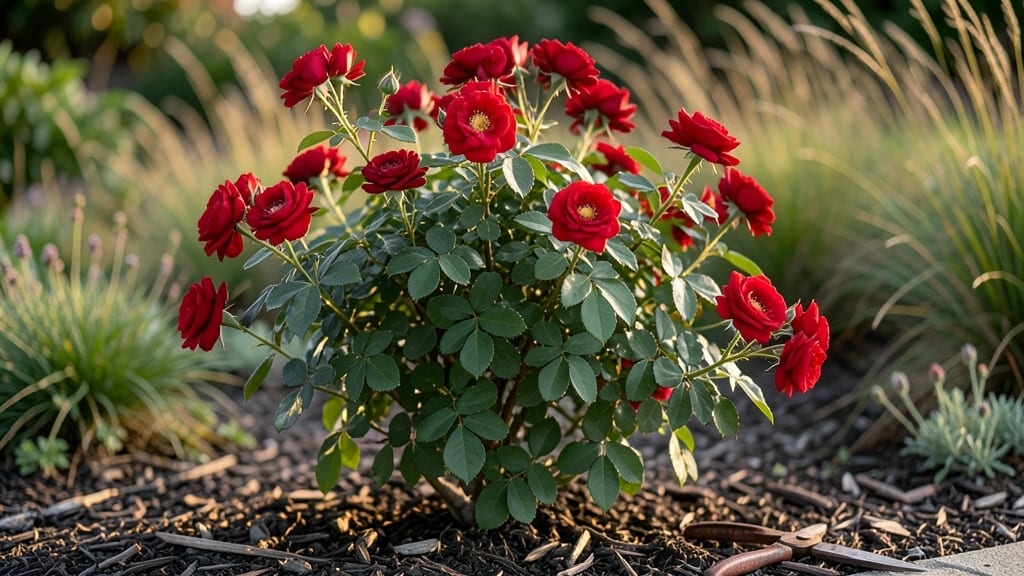
Those Cherry Red Knockout roses will change your garden forever—no drama, no fuss, just bold red blooms from spring to frost. 🌹 I planted mine last spring, and they’ve outlasted every other rose in my yard, thriving where others wilted.
The secret? Their cold-hardy roots and built-in disease resistance mean less work for you and more flowers for your enjoyment.
These roses love full sun (at least 6 hours daily) and well-draining soil—amend heavy clay with compost to keep roots happy. Water deeply 1-2 times per week once established, and feed with a balanced rose fertilizer in early spring.
Pruning isn’t scary: cut back dead wood in late winter and trim spent blooms to encourage more flowers. No fancy techniques—just sharp shears and a little elbow grease.
By summer, you’ll have vibrant, bushy plants covered in blooms, and they’ll keep going until frost. The best part? They’re low-maintenance—no chemical sprays needed, no constant deadheading. Just sit back and enjoy the show. For extra plants, propagate from cuttings in late summer for free roses next year.
Works in zones 4-9, so whether you’re in a cold northern climate or a warm southern one, these roses deliver. Ready to grow yours? Let’s get started with the full guide—your garden’s about to get a whole lot prettier.
📚 In This Guide
- What you need
- Instructions
- Tips and common mistakes
- Wrapping up and next steps
What you need
- ● Cherry Red Knockout Rose Plants: 1–3 bare-root plants or container-grown roses (check for healthy, disease-free stems)
- ● Soil: Well-draining, loamy soil (pH 6.0–6.5; amend with compost if needed)
- ○ Optional: 2–3 bags of rose-specific fertilizer (10-10-10 NPK ratio)
- ● Planting Supplies: 1–2 5-gallon buckets (for watering)
- ● 1 garden trowel or spade
- ● 1 pruning shears (sterilized with rubbing alcohol)
- ● 1 roll mulch (2–3 inches of shredded bark or pine straw)
- ● Watering Tools: 1 hose with adjustable nozzle or watering can
- ○ Optional: drip irrigation kit (for consistent moisture)
- ● Hardiness Zone: 4–9 (these roses thrive in cold climates!)
- ● Sunlight: Full sun (6+ hours/day)—no shade allowed!
- ● Spacing: 3–4 feet between plants for airflow (prevents disease)
- ● Timing: Bare-root: Plant in early spring or fall
- ● Container-grown: Plant anytime soil isn’t frozen
Step-by-step instructions for planting Cherry Red Knockout roses
These cold-hardy beauties thrive with the right care—here’s exactly how to plant them for maximum blooms.
🌱 Step 1: Choose the Perfect Planting Spot
Cherry Red Knockout roses need full sun—at least 6 hours of direct sunlight daily—to produce their signature vibrant blooms. I always pick a location with morning sun and afternoon shade in hot climates to prevent leaf scorch. Avoid low spots where cold air settles, as these roses are cold-hardy but still benefit from good air circulation.
Test the soil by digging a 6-inch hole—ideal soil should drain well but retain moisture. If your soil is heavy clay, amend it with 2-3 inches of compost mixed into the top 12 inches. These roses tolerate a wide pH range (6.0-7.0), but slightly acidic soil (6.0-6.5) encourages the deepest red color.
🪴 Step 2: Dig and Prepare the Planting Hole
Dig a hole twice as wide as the rose bush’s root ball but only as deep as the root ball itself. This prevents burying the graft union (the swollen bump near the base of the stem), which can lead to disease. If your soil is sandy, add 1 cup of slow-release fertilizer (like 10-10-10) to the bottom of the hole for a nutrient boost.
Loosen the roots gently if they’re circling or tangled—this encourages them to spread outward instead of staying compacted. Place the rose in the hole so the graft union sits 2 inches above soil level. Backfill with native soil, tamping lightly every 2 inches to remove air pockets. Water deeply to settle the soil around the roots.
☀️ Step 3: Mulch and Water for Establishment
Spread 2-3 inches of mulch (like shredded bark or pine straw) around the base, keeping it 3 inches away from the stem to prevent rot. Mulch helps retain moisture and regulates soil temperature, which is especially important in the first 6-8 weeks while roots establish. Water deeply 2-3 times per week—until the soil is 6 inches deep and evenly moist—but avoid overhead watering, which can spread fungal diseases.
You’ll know the roots are settling in when new growth appears within 3-4 weeks. At this stage, reduce watering slightly to encourage deeper root growth. These roses are drought-tolerant once established, but consistent moisture during the first season prevents stress and ensures strong blooms.
✂️ Step 4: Prune for Shape and Health
After the first flush of blooms, prune back one-third of the oldest stems to the nearest outward-facing bud. This encourages bushier growth and more flowers next season. Always use clean, sharp pruners to make 45-degree cuts just above a bud, avoiding leaving stubs. Remove any dead, diseased, or crossing branches first—they compete for energy and weaken the plant.
In late fall, cut back stems to 18-24 inches tall and remove any remaining leaves. This helps prevent fungal overwintering and keeps the plant tidy. I like to add a 2-inch layer of mulch in late fall to protect roots from freezing temperatures—these roses survive down to -20°F, but extra insulation gives them a head start in spring.
💧 Step 5: Feed and Maintain for Year-Round Blooms
Feed roses twice a year: once in early spring (when buds swell) with a balanced fertilizer (10-10-10), and again in mid-summer (after the first bloom cycle) with a low-nitrogen, high-phosphorus formula (5-10-10) to encourage more flowers. Water deeply once a week during dry spells, aiming for 1-1.5 inches of water per week.
Watch for aphids or black spot—common issues for roses. If you spot yellow spots on leaves or sticky residue, treat with neem oil or a fungicide spray at the first sign. These roses are disease-resistant, but prevention is key. Deadhead spent blooms regularly to redirect energy into new flowers, and you’ll enjoy continuous blooms from early summer through fall.
Tips & tricks for perfect Cherry Red Knockout roses
Real talk: These roses are tough, but a few simple tricks will turn your garden into a nonstop red bloom machine.
Soil Test First: Before amending your soil, grab a pH testing kit from your local garden center. The instructions mention a range of 6.0-7.0, but for that signature knockout red, aim for 6.0-6.5. I've seen a noticeable difference in color intensity when I adjusted my soil to the lower end of this range. If your soil tests higher than 7.0, mix in peat moss or sulfur to bring it down—just follow the package instructions for amounts.
Root Ball Prep: When you get your rose home, don't plant it right away. Soak the root ball in water for 15-20 minutes before planting to hydrate the roots. This helps them establish faster. I also like to trim any circling roots with clean pruners—just make a clean cut to encourage outward growth. This step in Step 2 makes all the difference for root development during those critical first 6-8 weeks.
Watering Hack: Instead of relying on the 2-3 times per week guideline, I use a moisture meter to check soil depth. Aim for the top 6 inches to stay evenly moist but not soggy. In hot climates, you might need to water daily until the plant establishes. The key is deep watering—always water until you see moisture at 6 inches deep. This encourages deep root growth that makes these roses so drought-tolerant once established.
Pruning Timing: The instructions mention pruning after the first flush of blooms, but I've found that pruning right after blooms fade (when buds form) gives you even more flowers. This is called "budding up" pruning. Just cut back stems to just above the next set of buds. It takes practice to see where those buds form, but you'll get the hang of it—and your roses will reward you with nonstop blooms from summer through fall.
Pro Tips for Cherry Red Knockout Roses
- Real talk: These roses are tough, but a few simple tricks will turn your garden into a nonstop red bloom machine.
- Soil Test First: Before amending your soil, grab a pH testing kit from your local garden center.
- Root Ball Prep: When you get your rose home, don't plant it right away.
Frequently asked questions
Got questions about growing Cherry Red Knockout® roses? You’re not alone! Here are some of the most common queries—plus quick, practical answers to help you cultivate stunning, low-maintenance blooms.
How fast do Cherry Red Knockout roses grow?
These roses are fast growers! Expect 12–18 inches per year under ideal conditions (full sun, well-draining soil, and regular watering). With proper care, they can reach 3–4 feet tall and wide within their first growing season. Prune lightly in early spring to encourage bushier growth and more blooms.
Are Cherry Red Knockout roses truly cold-hardy?
Bred for resilience, these roses thrive in USDA Zones 4–9 and can survive winter temperatures as low as -30°F. For extra protection in harsh climates, add a 3–4 inch layer of mulch around the base after the first frost. Their disease resistance also means fewer winter woes.
Do Cherry Red Knockout roses need deadheading?
While they’re low-maintenance, deadheading (removing spent blooms) encourages nonstop blooming! Snip off faded flowers just above a set of healthy leaves to redirect energy into new growth. Skip this step if you prefer a more natural, wild look—but expect fewer flowers.
What pests or diseases should I watch for?
These roses are disease-resistant, but aphids, spider mites, and Japanese beetles may still visit. Neem oil or a strong spray of water can deter pests. For fungal issues (rare!), improve airflow with pruning and avoid overhead watering. Prevention is key!
Can I grow Cherry Red Knockout roses in containers?
Yes! They adapt well to large containers (at least 15–20 gallons) with drainage holes. Use a high-quality potting mix and fertilize monthly during growing season. Just ensure the pot gets 6+ hours of sun daily—container roses need extra TLC to match their in-ground vigor.
Wrapping up and next steps
Growing Cherry Red Knockout roses is a rewarding journey that brings vibrant color and resilience to your garden—even in colder climates! 🌸 Their disease resistance and low-maintenance nature make them perfect for both novice and seasoned gardeners.
With the right care, you’ll enjoy year-round blooms that turn heads and lift spirits.
Ready to transform your outdoor space? Start by planting your Cherry Red Knockout roses this season and watch your garden thrive with bold, cheerful blooms. Check out our planting tips to get started today!