
Flowers
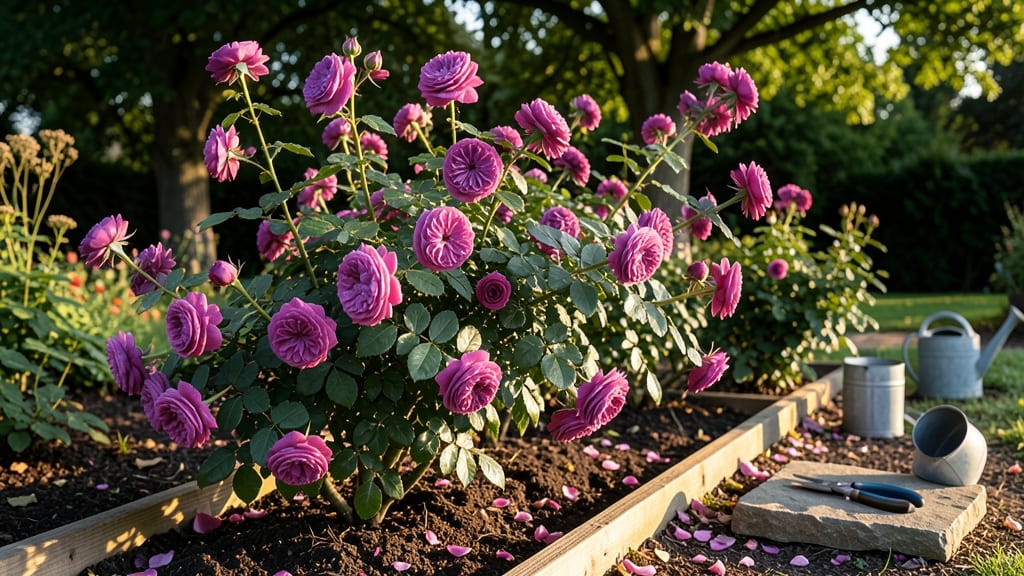
Growing a Climbing Queen Elizabeth rose means bringing royal fragrance and velvety blooms to your garden—even in containers. 🌹 This heirloom beauty thrives in full sun and rewards patience with 4-inch blooms that perfume the air for miles.
My first attempt nearly failed until I learned the secrets of soil, support, and seasonal care. The key to success starts with well-draining soil mixed with compost and a sturdy trellis or arch to guide its vigorous growth.
Unlike finicky roses, this variety forgives minor mistakes—just avoid soggy roots and crowded branches. You’ll see those first deep pink buds within a year, and by summer, your trellis will be draped in petals. What sets this rose apart is its disease resistance and repeat blooming habit.
Prune in early spring and after each flush of flowers to encourage more growth, and watch it transform any space—patio, balcony, or garden corner—into a fragrant retreat. The only challenge? Resisting the urge to pinch every bud (trust me, they’ll come back stronger).
Perfect for gardeners who want drama without constant fuss. With the right care, your Climbing Queen Elizabeth will outshine store-bought bouquets and become the star of your outdoor space. Let’s get those roots growing!
📚 In This Guide
- What you need
- Instructions
- Tips and common mistakes
- Wrapping up and next steps
What you need
- ● Queen Elizabeth Rose Bush: 1 healthy, disease-resistant bare-root or container-grown plant (ensure it’s labeled "Queen Elizabeth" for authenticity).
- ● Container: A minimum 15-gallon pot (or larger) with drainage holes. Pro tip: 💡 Use a fabric grow bag for better root aeration!
- ● High-quality potting mix: 1 bag of well-draining, organic rose-specific soil (or a mix of 60% potting soil + 30% perlite + 10% compost).
- ● Mulch: 2–3 inches of wood chips or bark mulch (to retain moisture and suppress weeds).
- ● Gloves: 1 pair of gardening gloves (roses have thorns!).
- ● Pruners: Bypass pruners (sterilized with rubbing alcohol).
- ● Watering can or hose: With a gentle spray nozzle (avoid soggy roots!).
- ● Fertilizer: Balanced rose fertilizer: 10-10-10 or 8-3-9 (follow package rates).
- ○ Optional: Epsom salt (1 tbsp/month in water) for magnesium boost.
- ● Support: 1 5–6 ft rose trellis or cage (install before planting!).
- ● Sunlight: 6+ hours of direct sun daily (non-negotiable for this queen!).
- ● Rose food: Fish emulsion or seaweed extract for extra nutrients.
- ● Pest control: Neem oil (preventative spray) or beneficial nematodes.
- ● Drip irrigation kit: For consistent moisture (lazy gardener’s dream!).
- ● Decorative accents: Moss or pebbles around the base for a royal touch.
Step-by-step guide to growing climbing Queen Elizabeth roses in containers
Here's how to coax this legendary rose into full, fragrant bloom—even in limited space.
🌱 Step 1: Select and Prepare the Right Container
Choose a container at least 18 inches deep and wide with drainage holes—Queen Elizabeth roses need 5 gallons of soil per plant to support their vigorous growth. I prefer terra cotta pots because they breathe and prevent root rot, but any sturdy, weather-resistant material works. Line the bottom with 2 inches of gravel or broken pottery to improve drainage and prevent compaction.
Place the container in a south-facing location where it receives full sun (6+ hours daily). If your space only offers partial sun, expect fewer blooms and weaker stems. The key here is morning sun exposure—it helps dry dew quickly, reducing fungal risks. Avoid placing pots against walls or fences that block airflow, as this encourages mildew.
🪴 Step 2: Plant with Proper Soil and Support Structure
Fill the container with a mix of equal parts high-quality potting soil, compost, and perlite—this ensures aeration and moisture retention without suffocating roots. Queen Elizabeth roses thrive in slightly acidic to neutral soil (pH 6.0-7.0), so test your mix if possible. Gently loosen the roots of your bare-root rose (if starting from one) or the root ball of a container-grown plant before placing it in the pot.
Install a strong trellis or climbing frame immediately after planting. I use metal cages or sturdy wooden arches because they last years and provide 360-degree climbing support. Position the trellis so the rose can grow vertically without bending—this prevents stem breakage from heavy blooms. Water deeply after planting to settle the soil around the roots, and avoid fertilizing for the first 4-6 weeks to prevent root burn.
☀️ Step 3: Water and Feed for Maximum Bloom Production
Water deeply every 2-3 days until the top 2 inches of soil feel moist—Queen Elizabeth roses hate soggy roots but also wilting stems. In hot climates, you may need daily watering, but always check the soil before watering. Morning watering is best—it allows foliage to dry before evening, reducing black spot risk. Mulch the soil surface with 2 inches of organic mulch (like shredded bark) to retain moisture and regulate temperature.
Feed with a balanced rose fertilizer (10-10-10) every 4 weeks starting in early spring through late summer. I switch to a low-nitrogen, high-phosphorus formula (5-10-5) in early summer to encourage more blooms and stronger stems. Prune spent blooms right after they fade—this redirects energy to new growth. By mid-summer, you’ll see lush, fragrant clusters forming along the stems.
✂️ Step 4: Prune and Train for Healthy Growth
Prune in early spring (before new growth starts) to remove dead, crossing, or weak branches. Cut back one-third of the plant’s height to encourage compact, bushier growth. Use clean, sharp shears and make cuts at a 45-degree angle just above an outward-facing bud. This ensures better airflow and fewer disease issues. Avoid heavy pruning in fall or winter—the plant needs foliage to store energy for next year’s blooms.
Train the canes along the trellis as they grow, gently tying them with soft plant ties every 6-8 inches. Queen Elizabeth roses can grow 10-15 feet tall, so regular training prevents sagging and breakage. Watch for suckers (shoots at the base)—remove them immediately to focus the plant’s energy on climbing growth. By late summer, your rose should be covered in dark green, glossy leaves and preparing for a second flush of blooms.
⏰ Step 5: Winter Care for Next Year’s Blooms
In fall, reduce watering gradually and stop fertilizing by mid-October. Apply a 3-inch layer of mulch around the base to insulate roots during cold snaps. If your winters drop below 10°F, wrap the container and trellis in burlap and move it to a sheltered spot (like against a garage wall). Queen Elizabeth roses are hardy to USDA Zone 5, but container-grown plants need extra protection—their roots are more exposed to temperature swings.
Prune lightly in late winter (just enough to shape the plant) and resume regular care in early spring. The first blooms of the season are always the most fragrant—so plan to enjoy them in late spring or early summer. With proper care, your climbing Queen Elizabeth will reward you with years of velvety, blush-pink blooms that perfume the air on warm days.
Tips & tricks for thriving climbing Queen Elizabeth roses
These insider secrets will help you transform your container into a fragrant, blooming masterpiece—even when space is limited.
Container Selection Wisdom: While terra cotta pots are my top pick for their breathability, avoid plastic containers that trap moisture. The 18-inch minimum depth is non-negotiable—Queen Elizabeth roses develop deep root systems that need room to spread. Pro tip: Add a second drainage hole if your container only has one at the bottom. I've seen root rot ruin perfectly good roses because of inadequate drainage.
Soil Mix Mastery: That equal parts potting soil, compost, and perlite blend is your secret weapon. The perlite creates tiny air pockets that prevent compaction, while compost provides slow-release nutrients. For an extra boost, mix in 1 cup of worm castings per 5 gallons of soil—it adds beneficial microbes that strengthen roots. Remember, these roses prefer slightly acidic to neutral soil (pH 6.0-7.0), so test your mix if possible.
Trellis Training Technique: The 6-8 inch spacing for tying canes might seem frequent, but it's crucial for preventing breakage. Queen Elizabeth roses can grow 10-15 feet tall with heavy blooms that weigh down stems. Use soft plant ties that won't cut into the canes as they thicken. I've found that training canes in a spiral pattern up the trellis creates more blooming sites than a straight vertical climb.
Winter Protection Strategy: That 3-inch mulch layer is your best defense against temperature swings. For containers in Zone 6 and below, consider wrapping the entire pot in bubble wrap before adding the burlap—it creates an extra insulating barrier. If your winters drop below 10°F, move your rose to a sheltered spot against a south-facing wall where it gets reflected sunlight during the day but is protected from wind at night.
Pro Tips for Climbing Queen Elizabeth Rose
- These insider secrets will help you transform your container into a fragrant, blooming masterpiece—even when space is limited.
- Container Selection Wisdom: While terra cotta pots are my top pick for their breathability, avoid plastic containers that trap moisture.
- Soil Mix Mastery: That equal parts potting soil, compost, and perlite blend is your secret weapon.
Frequently asked questions
Got questions about growing the Queen Elizabeth Rose in containers? You’re not alone! Here are answers to the most common queries—from sun exposure to troubleshooting—so you can cultivate this regal bloom with confidence.
How much sunlight does a Queen Elizabeth Rose need in containers?
The Queen Elizabeth Rose thrives in full sun (6–8 hours daily), but containers can overheat. If your climate is scorching, opt for morning sun + afternoon shade to prevent wilting. Use lightweight, breathable pots (like terracotta) and mulch to retain moisture.
How fast does this rose grow in a pot?
In ideal conditions, this hybrid tea rose can grow 12–18 inches per season in containers. Prune regularly to encourage bushier growth and prevent legginess. Fertilize every 4–6 weeks during spring/summer for faster blooms!
Why are my Queen Elizabeth Rose leaves turning yellow?
Yellow leaves usually signal overwatering or nutrient deficiency. Check soil moisture—it should be damp but not soggy. If roots smell rotten, repot with fresh, well-draining soil. For yellowing between veins, chelated iron can revive chlorotic leaves.
Can I grow Queen Elizabeth Rose in a small container?
Yes! Choose a minimum 12-inch pot (deeper is better) with drainage holes. Dwarf varieties or pruned plants adapt well to smaller spaces. Root prune annually to manage growth—trim roots by 1/3 when repotting to encourage compact growth.
How do I protect Queen Elizabeth Rose in containers during winter?
Move pots to a sheltered, unheated garage or porch (above freezing). Wrap the container in burlap or bubble wrap and mulch heavily. Water sparingly—once a month—to prevent root rot. Resume care in spring when temps rise above 50°F.
What’s the best fertilizer for container-grown Queen Elizabeth Roses?
Use a balanced rose fertilizer (10-10-10 or 20-20-20) diluted to half-strength. For blooms, switch to a phosphorus-heavy formula (e.g., 5-10-5) during budding season. Organic options like fish emulsion or compost tea work too!
Wrapping up and next steps
Climbing the Queen Elizabeth Rose in full-sun containers is a rewarding journey that blends beauty, resilience, and a touch of royal elegance. With the right soil, pruning know-how, and a dash of patience, you’ll transform your space into a fragrant haven—without the fuss of a sprawling garden. 🌸
Ready to take the next step? Start small: plant your rose today, monitor its progress, and soon, you’ll be basking in its velvety blooms—and maybe even a few admiring glances from neighbors! Whether you’re a seasoned gardener or a curious beginner, this queen is waiting for you.