
Plants
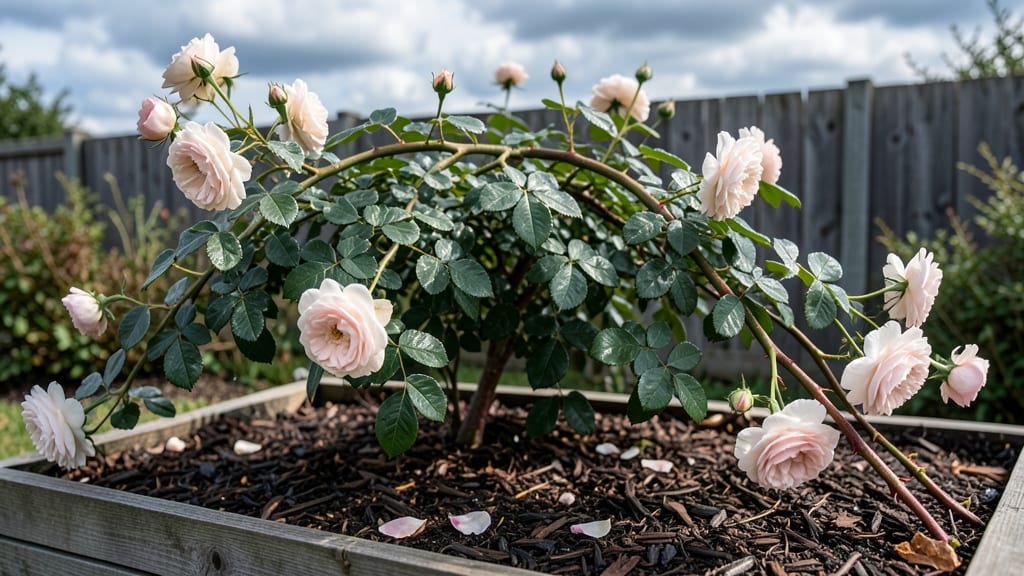
Climbing roses in Zone 6 thrive best with cold-resistant varieties like 'Blaze', 'Zephirine Drouhin', and 'New Dawn', designed to handle winters down to -10°F to -20°F when paired with protective mulching and strategic pruning. Opt for repeat-blooming types to enjoy vibrant flowers throughout the growing season.
Zone 6's freezing winters can challenge roses, but the right varieties are built to survive. 🌹 The key lies in their ability to form hardy buds that enter dormancy early, shielding delicate tissues from frost damage.
Unlike once-blooming types that produce one flush of flowers, repeat-bloomers like 'Blaze' deliver continuous blooms by developing new buds on old wood—perfect for extending your garden's color palette through summer and fall.
What sets these varieties apart is their genetic resilience. For example, 'Zephirine Drouhin' boasts thick canes and dense foliage that insulate the plant's core, while 'New Dawn' features disease resistance that prevents winter stress from compromising its structure.
These traits make them ideal for gardeners who want both beauty and durability without constant winter maintenance.
💡 In This Article
- How Cold Tolerance Works in Climbing Roses
- Planting and Winter Care for Zone 6 Climbing Roses
How cold tolerance works in climbing roses
The cold hardiness of climbing roses comes down to their biological adaptations during winter dormancy. When temperatures drop below 40°F, these plants trigger a physiological shift where they convert stored sugars into protective compounds like antifreeze proteins.
These proteins bind to ice crystals, preventing them from growing large enough to rupture cell walls—a process called ice nucleation inhibition. This allows roses to survive temperatures as low as -20°F without permanent damage.
Bud formation plays a crucial role too. Cold-hardy varieties like 'Blaze' develop bud scales that act like tiny insulation blankets, reducing heat loss by up to 30% compared to once-blooming types. These buds form in clusters along canes, with each cluster containing multiple flower buds that can regenerate if damaged.
Repeat-bloomers like 'New Dawn' take this further by producing secondary buds throughout the growing season, ensuring continuous blooms even after winter pruning.
The difference between repeat-bloomers and once-bloomers lies in their growth habits. Once-bloomers like 'Climbing Cecile Brunner' produce flowers from buds formed the previous year, making them vulnerable to winter dieback. Repeat-bloomers, however, generate new buds on current season's growth, giving them a second chance if winter damage occurs.
This is why 'Zephirine Drouhin' can recover so well—its dense foliage and vigorous canes create a microclimate that protects emerging buds from late frosts.
Another key factor is the plant's root system depth. Cold-hardy climbing roses develop roots that extend 3-4 feet below the surface, where soil temperatures remain 10-15°F warmer than the air above.
This deep root zone provides a steady water supply during winter and helps the plant recover faster in spring. The combination of these adaptations explains why 'Blaze' can survive -15°F with minimal protection, while less hardy varieties may need 10+ inches of mulch to achieve similar results.
What most gardeners don't realize is how soil moisture levels affect winter survival. Properly drained soil prevents root asphyxiation, while adequate moisture (but not soggy) helps maintain cellular turgor pressure.
This is why fall watering is crucial—it establishes a reserve that supports early spring growth before roots can actively absorb water again. The ideal soil moisture for winter hardiness is 40-50% field capacity, which balances frost protection with oxygen availability.
For visual comparison, imagine two roses side by side: a once-bloomer with sparse canes and a repeat-bloomer like 'New Dawn' with thick, arching stems covered in small buds. The repeat-bloomer's structure resembles a living trellis, where each cane acts as a support system for multiple flower clusters.
This dense growth habit not only creates a stunning vertical display but also provides better insulation against winter winds.
The science behind these adaptations shows why Zone 6 gardeners should prioritize repeat-blooming varieties. Their ability to regenerate buds and maintain structural integrity through winter means more flowers and less maintenance in the long run. 🌟