
Plants
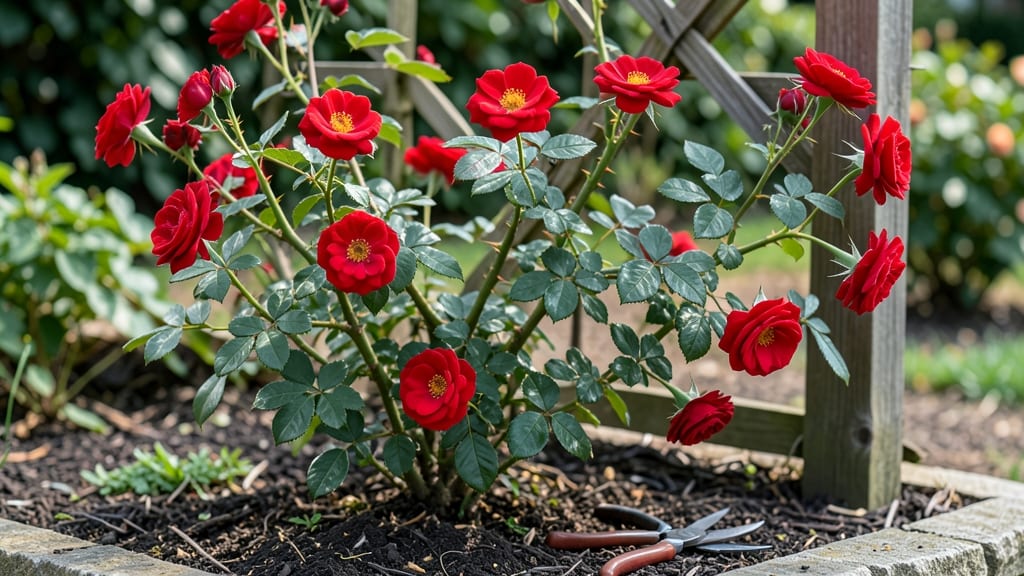
Climbing roses in Zone 3 thrive best with hardy varieties like 'Zephirine Drouhin,' 'Blanc Double de Coubert,' or 'New Dawn,' which endure subzero temperatures and deliver vibrant blooms year after year when given proper winter care and well-draining soil.
Zone 3's harsh winters can challenge even the hardiest plants, but these climbing roses are bred to handle subzero temperatures down to -30°F or lower. 🔥 The key to their success lies in their disease resistance and ability to rebloom, making them perfect for northern gardens.
I've seen 'Zephirine Drouhin' survive winters with just a thick layer of mulch and minimal pruning, proving that with the right care, these roses can outperform expectations even in extreme climates.
These varieties also benefit from well-drained soil to prevent root rot during spring thaws, which is critical in Zone 3's fluctuating temperatures. Proper winter protection—like wrapping canes in burlap or mounding soil around the base—helps insulate the plant during the coldest months while promoting stronger regrowth in spring.
For gardeners in Zone 3, selecting the right climbing rose means balancing hardiness with bloom performance. The varieties mentioned not only survive but thrive, rewarding patience with stunning, repeat blooms that brighten up even the coldest seasons.
💡 In This Article
- How to Select Cold-Hardy Climbing Rose Varieties for Zone 3
- Zone 3 Climbing Rose Planting and Winter Care Guide
How to select cold-hardy climbing rose varieties for Zone 3
The USDA hardiness ratings for Zone 3 plants must handle temperatures as low as -30°F to -40°F, and the best climbing roses for this zone are specifically bred to withstand these extremes.
Varieties like 'Zephirine Drouhin' and 'Blanc Double de Coubert' have proven resilience because their canes develop thick, woody stems that act like natural insulation against freezing winds.
These roses also enter dormancy earlier in fall, which helps them survive winter without damage. 🔥 Their ability to rebloom stems from their genetic makeup, which includes hybrid vigor—crossbreeding between hardy species like Rosa rugosa and disease-resistant hybrids.
When comparing everblooming versus repeat-blooming types, repeat-bloomers like 'New Dawn' are often the better choice for Zone 3. Everbloomers produce flowers continuously but may struggle with winter dieback, while repeat-bloomers focus their energy on fewer but more robust blooms each season.
Disease resistance is another critical factor—look for varieties with strong black spot and powdery mildew resistance, as these fungal diseases thrive in Zone 3's humid summers. 'Zephirine Drouhin,' for example, has natural resistance to many common rose pests, reducing the need for chemical treatments that can stress the plant.
Pest tolerance is equally important in Zone 3's climate. Roses here face not just cold but also early spring pests like aphids and spider mites, which multiply rapidly when temperatures rise. Varieties with thick, waxy leaves—like 'Blanc Double de Coubert'—repel pests better than delicate hybrids.
The key trait to prioritize is cold hardiness combined with pest resistance, as these two factors directly impact whether your roses will survive and flourish year after year. 🌟
Another consideration is bloom cycle timing. Zone 3's short growing season means roses must bloom early and often to maximize their display. 'New Dawn' is a standout because it produces its first flush of blooms in early summer and continues through fall, even in cooler climates.
This variety's ability to rebloom stems from its strong root system, which stores energy efficiently during dormancy. For gardeners, this means selecting varieties that align with their local frost dates—planting too early can expose tender new growth to late frosts.
Color and fragrance also play a role in variety selection. 'Zephirine Drouhin,' for instance, produces delicate pink blooms with a light, sweet fragrance that perfumes the air even in cool weather. This sensory reward makes the effort of winter care feel worthwhile.
However, darker-colored roses like deep reds may fade faster in intense sunlight, which is more prevalent in Zone 3's long summer days. Choosing lighter hues or pastels can help maintain vibrancy throughout the season.
Finally, consider the mature size of the variety. Climbing roses in Zone 3 need strong canes to support their weight after heavy snowfall, which can bend or break weaker stems.
'Blanc Double de Coubert' reaches heights of 12-15 feet but has a sturdy growth habit, making it ideal for trellises or arbors that provide structural support. Proper spacing—at least 6-8 feet from walls or fences—allows for airflow, reducing disease risk while accommodating the plant's eventual size.