
Planting
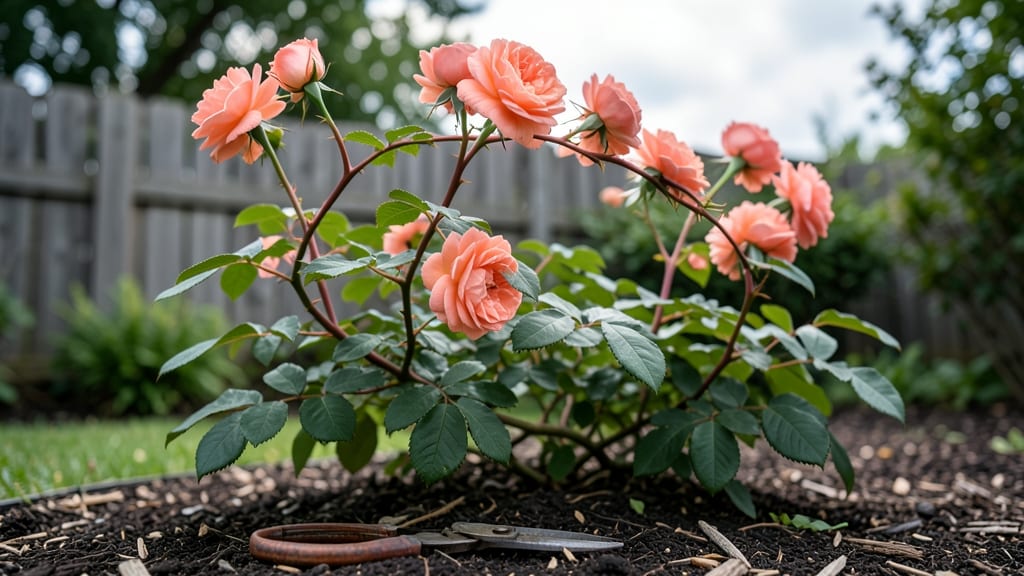
Growing a coral rose plant transforms any patio into a fragrant paradise with its year-round coral blooms—and it thrives in containers with the right care. 🌸 I learned the hard way that these vines need well-draining soil and morning sun to avoid leggy growth and faded flowers, but once you nail those basics, they reward you with blossoms from spring through frost.
The secret to their lush, fragrant vines lies in regular pruning after each flush of blooms—this keeps them compact and encourages more flowers. My coral rose now climbs a trellis, spilling over with delicate blooms that smell like a spring meadow.
The key is watering at the base (not overhead) to prevent fungal spots on those gorgeous petals. You’ll end up with a plant that blooms longer than most roses, even in containers, and attracts butterflies all season. The only challenge?
Watching for aphids on new growth—spray with neem oil if you spot them early. Perfect for small spaces, balconies, or even indoors near a sunny window. Let’s get those vines thriving!
📚 In This Guide
- What you need
- Instructions
- Tips and common mistakes
- Wrapping up and next steps
What you need
- ● Coral rose plant: 1 healthy cutting or nursery-grown vine (ensure it’s disease-free).
- ● Container: 1 large pot (12–18 inches deep) with drainage holes. Terracotta or fabric pots work best.
- ● Well-draining potting mix: 3–5 gallons of a blend like cactus/succulent mix (add 20–30% perlite or pumice for aeration).
- ● Gravel or rocks: 1–2 inches for the container’s bottom layer (for drainage).
- ● Slow-release fertilizer: 1–2 tbsp of balanced 10-10-10 fertilizer (or a cactus-specific formula).
- ● Support structure: 1 bamboo stake, trellis, or wire cage (to guide the vine).
- ● Garden trowel or small shovel (for planting).
- ● Pruning shears (sterilized with rubbing alcohol).
- ● Misting bottle (to maintain humidity for new cuttings).
- ○ Time-release fertilizer spikes (optional, for convenience).
- ● Container saucer or tray (to catch excess water).
- ● Grow lights (if indoors and lacking sunlight).
How to grow coral roses in containers for year-round blooms
Here's my go-to method for growing fragrant coral roses that keep blooming in pots.
🪴 Step 1: Select the Right Container and Soil Mix
Choose a container at least 18-24 inches wide and deep—coral roses need room for their extensive root systems. I prefer terracotta pots because they breathe better and help prevent root rot. Make sure it has drainage holes; coral roses hate soggy roots.
Use a well-draining mix of 50% potting soil, 30% perlite or coarse sand, and 20% compost. This combination ensures good aeration while retaining enough moisture. Avoid garden soil—it compacts too easily and can suffocate roots. Fill the pot about 2/3 full before adding your rose.
🌱 Step 2: Plant Your Coral Rose Correctly
Dig a hole in the soil mix that's just as deep as the root ball of your coral rose. Gently remove the plant from its nursery pot and loosen any circling roots with your fingers. This encourages outward growth instead of a tangled root mass.
Place the rose in the hole and backfill with soil, pressing lightly to remove air pockets. The graft union (the bump where the rose was attached to its rootstock) should be about 1-2 inches below the soil surface. Water deeply right after planting to settle the soil and help roots establish contact with the mix.
☀️ Step 3: Position for Optimal Light and Airflow
Coral roses need 6-8 hours of direct sunlight daily for best blooming. A south or west-facing spot works perfectly, but east-facing windows will work too—just expect slightly fewer blooms. If you're growing in partial shade, choose a spot with at least 4 hours of morning sun.
Place your pot where it gets good airflow—this helps prevent fungal diseases like black spot. I like to position mine near a patio or deck where they get a gentle breeze. Avoid cramming pots together; coral roses need space to breathe and develop strong stems.
💧 Step 4: Water and Feed for Continuous Blooms
Water your coral rose when the top 2 inches of soil feel dry. I check this by sticking my finger into the soil—if it comes out clean, it's time to water. Water deeply until it runs out the drainage holes, then let it drain completely. Overwatering is the #1 killer of potted roses.
Feed every 4-6 weeks during the growing season (spring through fall) with a balanced rose fertilizer. I use a 10-10-10 formula diluted to half strength. Stop fertilizing in late summer to encourage winter dormancy. In winter, reduce watering to just keeping the soil slightly moist.
✂️ Step 5: Prune for Health and More Blooms
Prune your coral rose twice a year: once in late winter/early spring and again after the first flush of blooms in summer. Remove any dead, diseased, or crossing branches first. Then cut back last year's growth by about 1/3 to encourage new, vigorous growth.
For continuous blooming, deadhead spent flowers regularly. Simply snip off the flower cluster just above a set of healthy leaves. This redirects the plant's energy into producing more blooms instead of seed formation. I prune lightly throughout the season to maintain shape and encourage bushiness.
Tips & tricks for thriving coral roses in containers
These little details make all the difference when growing fragrant coral roses that keep blooming all year.
Container Selection: While terracotta is my favorite, fiberglass or plastic pots work too—just add extra perlite to prevent moisture buildup. Avoid glazed containers without drainage holes, which trap excess water and lead to root rot. I've seen coral roses thrive in half whiskey barrels or even repurposed wooden planters as long as they meet the 18-24 inch size requirement and have proper drainage.
Soil Mix Secrets: The 50-30-20 ratio works perfectly, but if you can't find perlite, coarse builder's sand works just as well. For extra drainage, I sometimes add a handful of chicken grit to the mix—it breaks down slowly and improves aeration over time. Avoid mixing in fresh manure or composted leaves, as these can introduce pathogens that coral roses are sensitive to.
Light Optimization: When positioning your coral rose for those essential 6-8 hours of sunlight, remember that morning sun is gentler than afternoon sun, especially in hot climates. If you notice leaves curling or wilting in the afternoon, move the pot to a spot with more morning light. South-facing windowsills get the most intense light, while east-facing spots provide softer, cooler illumination that's great for cooler climates.
Winter Care Strategy: During dormancy, reduce watering to just keeping the soil slightly moist—about once every 2-3 weeks is plenty. I wrap my containers in burlap and place them against a south-facing wall to protect from harsh winds. This simple insulation can make the difference between a rose that survives winter and one that thrives through it.
Pro Tips for Coral Rose Plant
- These little details make all the difference when growing fragrant coral roses that keep blooming all year.
- Container Selection: While terracotta is my favorite, fiberglass or plastic pots work too—just add extra perlite to prevent moisture buildup.
- Soil Mix Secrets: The 50-30-20 ratio works perfectly, but if you can't find perlite, coarse builder's sand works just as well.
Frequently asked questions
Got questions about growing your own fragrant coral rose plant?
Here are answers to the most common queries—from care tips to troubleshooting—to help you cultivate a thriving, year-round bloomer!
How often should I water my coral rose plant in containers?
Water your coral rose when the top 1–2 inches of soil feel dry, usually every 3–5 days in warm weather or weekly in cooler months. Containers dry out faster than ground soil, so monitor moisture closely. Overwatering can lead to root rot, so ensure pots have drainage holes.
When is the best time to prune coral roses for continuous blooms?
Prune after the first flush of flowers in spring and again lightly in summer to encourage new growth. Avoid heavy pruning in fall/winter, as it can damage tender stems. Use clean, sharp shears to trim back one-third of the plant, focusing on shaping and removing dead wood.
Can coral roses grow indoors, or do they need outdoor conditions?
Coral roses thrive outdoors but can adapt to bright indoor spaces near south-facing windows with at least 6 hours of sunlight daily. If indoors, supplement with grow lights in winter. They need fresh air and humidity—consider a greenhouse or well-ventilated room for best results.
What pests commonly affect coral rose plants, and how do I treat them?
Watch for aphids, spider mites, or scale insects, which thrive on tender new growth. Treat mild infestations with a strong spray of water or insecticidal soap. For severe cases, use neem oil or horticultural oil. Regularly inspect leaves and stems to catch issues early!
Why aren’t my coral roses blooming year-round like they should?
Lack of blooms often stems from low light, poor nutrition, or over-pruning. Ensure your plant gets full sun (6+ hours daily), fertilize monthly with a balanced rose food, and avoid cutting back too aggressively. Deadhead spent blooms to encourage more flowers!
Do coral roses need winter protection in cold climates?
If you’re in USDA Zones 7–9, protect your coral rose with mulch and a frost blanket. In colder zones (below 10°F), grow them in containers and move them indoors or to a sheltered spot. Prune lightly in late winter to prep for spring growth.
Wrapping up and next steps
The coral rose plant is a stunning, low-maintenance addition to any garden or patio, offering year-round blooms and a sweet, intoxicating fragrance. With the right care—like well-draining soil, bright (but indirect) light, and occasional pruning—you’ll enjoy vibrant flowers and lush vines for seasons to come.
Whether you’re a seasoned gardener or just starting, this plant is a rewarding choice that brings beauty and joy with minimal effort.
Ready to grow your own? Grab your supplies, pick a sunny spot, and let your fragrant vine adventure begin! 🌸