
Shrubs
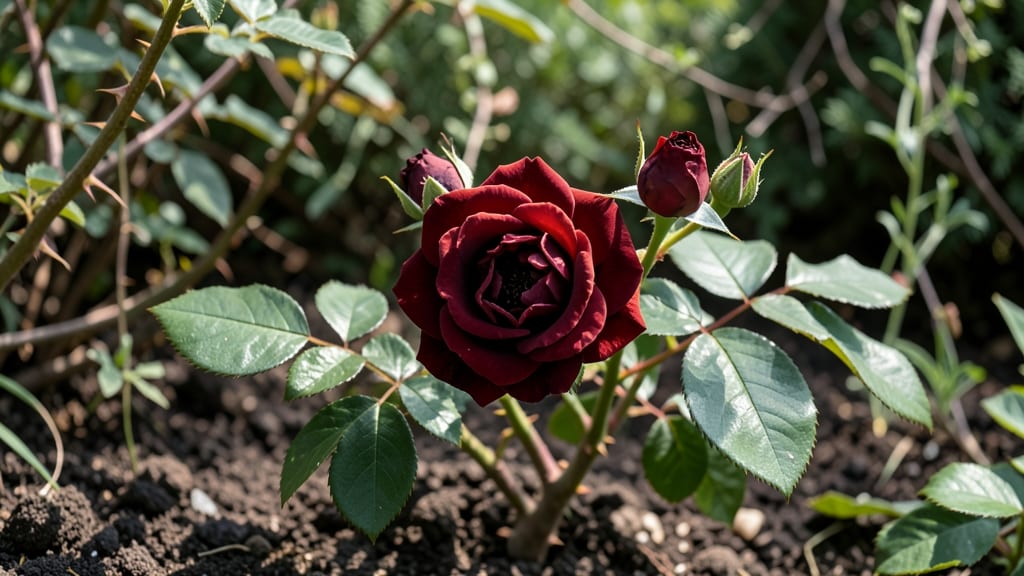
Dark orange roses light up gardens like a sunset in full bloom—bold, fragrant, and impossible to ignore. 🌻 I fell for them after seeing how they transformed a dull corner of my patio into a vibrant focal point, their deep copper hue demanding attention without overwhelming the space.
These climbers aren’t just pretty—they’re surprisingly adaptable. Thriving in containers, they bring that rich color to balconies, small yards, or even windowsills, while their intoxicating scent lingers in the evening air.
Pair them with lavender for contrast or salvia for height, and you’ve got a combo that works in cottage gardens or modern landscapes alike. The real magic happens when they bloom: clusters of velvety petals that catch the light like embers, their fragrance stronger than most roses.
They reward patience with long-lasting blooms and minimal fuss, making them the star of any design scheme. Whether you’re framing a doorway, dressing up a trellis, or just adding drama to a patio corner, these roses deliver year after year. Let’s make them the centerpiece of your garden!
📚 In This Guide
- What you need
- Instructions
- Tips and common mistakes
- Wrapping up and next steps
What you need
- ● Dark orange rose bush: Choose a variety like 'Cecile Brünner' or 'Black Baccara' (ensure it’s container-friendly). Buy a 1-gallon bare-root or potted plant from a nursery.
- ● Container: A 5-gallon or larger pot (minimum 12" diameter) with drainage holes. Opt for terra cotta, fiberglass, or plastic (avoid metal).
- ● High-quality potting mix: 6-8 quarts of a well-draining, organic mix (e.g., 50% potting soil + 30% perlite + 20% compost). Avoid garden soil—it compacts!
- ● Slow-release fertilizer: 1 cup of rose-specific granules (look for 10-10-10 or 12-12-17 NPK ratio).
- ● Mulch: 1-2 inches of pine bark or shredded leaves (keeps roots cool and retains moisture).
- ● Gloves: A pair of gardening gloves (to protect from thorns and dirt).
- ● Trowel or spade: For digging and amending soil.
- ● Watering can or hose: With a gentle spray nozzle (roses hate soggy roots!).
- ● Pruners: Sharp, clean bypass pruners (sterilize with rubbing alcohol).
- ○ Support structure (optional): Trellis or cage: 3-4 feet tall (for climbing varieties).
- ● Stakes or tomato cages: If your rose isn’t a climber.
- ○ Rose food (liquid, optional): Every 4-6 weeks during growing season (follow package instructions).
- ○ Pest control (optional):strong> Neem oil or insecticidal soap (for aphids or spider mites).
- ● Yellow sticky traps (to monitor pests early).
Step-by-step guide to growing dark orange climbing roses in containers
Here’s how to cultivate vibrant, fragrant dark orange roses that thrive in pots—no garden bed required.
🌱 Step 1: Choose the Right Container and Soil
Select a container at least 18 inches deep and wide with drainage holes—dark orange roses need room for strong root growth. I use terra cotta pots because they breathe and prevent soggy roots, but any sturdy container works. Fill the bottom with 2-3 inches of gravel or broken pottery to ensure excess water drains away.
Use a well-draining potting mix (never garden soil—it compacts in containers). I blend one part perlite or pumice with three parts premium potting mix to improve aeration. Fill the container to 2 inches below the rim, leaving space for mulch later. Tap the pot gently to settle the soil without compacting it.
🌿 Step 2: Plant Your Bare-Root Rose or Container-Grown Specimen
If planting a bare-root rose, soak the roots in lukewarm water for 2-3 hours before planting to rehydrate them. For container-grown roses, remove the plant carefully, loosen the roots if they’re circling, and trim any dead or damaged stems with clean pruners. Dig a hole twice as wide as the root ball to encourage outward root growth.
Place the rose in the center of the pot, ensuring the graft union (the swollen bump near the base) sits 2 inches below the soil line. This protects the plant from temperature swings. Fill in around the roots with soil, pressing lightly to remove air pockets. Water deeply until it drains from the bottom holes.
☀️ Step 3: Provide Full Sun and Consistent Watering
Dark orange roses need at least 6 hours of direct sunlight daily—place your container in the sunnest spot on your patio or balcony. If you’re in a hot climate, afternoon shade prevents leaf scorch. I rotate my pots quarter-turn weekly so the plant grows evenly toward the light.
Water when the top 2 inches of soil feel dry—stick your finger in to check. Deep watering once a week (more in extreme heat) encourages strong roots. Avoid wetting the leaves to prevent fungal diseases. Mulch the soil surface with 1 inch of shredded bark to retain moisture and regulate temperature.
✂️ Step 4: Prune for Health and Blooms
Prune in early spring (just before new growth starts) and after the first flush of blooms to encourage more flowers. Remove dead, crossing, or weak stems at the base. For climbing roses, cut back one-third of the oldest canes to stimulate new growth. Always use clean, sharp pruners to make 45-degree cuts just above an outward-facing bud.
Deadhead spent blooms regularly—this redirects the plant’s energy into producing more flowers. I also trim any leggy growth that’s stretching toward the light. Fertilize every 4-6 weeks with a balanced rose fertilizer (10-10-10) during the growing season to keep blooms vibrant.
🪴 Step 5: Overwinter Your Container Rose
When temperatures drop below 40°F, move your rose to a protected location like a garage or under a porch. Wrap the pot in bubble wrap or frost cloth to insulate it. Reduce watering to once every 2-3 weeks—overwatering in winter can rot roots. Prune lightly in late winter to remove dead wood before new growth starts.
In spring, uncover the pot and resume regular care. You’ll see fresh growth within 2-3 weeks—that’s your signal to fertilize and prep for another season of stunning dark orange blooms.
Tips & tricks for thriving container-grown dark orange climbers
A few clever strategies that'll help your container roses grow stronger and bloom brighter all season long.
Container Selection: If you're using plastic pots instead of terra cotta, drill extra drainage holes at the bottom—plastic retains more moisture, which can lead to root rot. I've found that adding a layer of landscape fabric over the gravel helps keep it from washing out during watering. For heavy pots, consider using a pot saucer with wheels to make moving your rose easier during seasonal rotations.
Soil Preparation: The perlite-to-soil ratio is crucial—too much perlite can make the mix too dry, while too little defeats the purpose. I like to add a handful of compost to my mix for extra nutrients, especially when planting bare-root roses. This gives them a nutrient boost right from the start. Make sure to sterilize your potting mix if you're reusing containers from previous plants to prevent disease.
Watering Wisdom: The "top 2 inches" rule works, but I've learned to adjust based on weather. During summer heatwaves, I check moisture in the morning—if the soil feels dry that early, it's time to water. For winter care, I use a moisture meter to avoid overwatering. Remember, dark orange roses in containers dry out faster than in-ground plants, so don't be afraid to water thoroughly when needed.
Sunlight Strategy: If your balcony or patio doesn't get full sun, consider using a reflective surface like a white wall or mirror behind the pot to maximize light exposure. I've seen dramatic improvements in bloom quantity when using this trick. For afternoon shade protection, I use a lightweight shade cloth that lets in 50% of sunlight—this prevents leaf scorch without blocking all light. Rotate your pots every 7-10 days instead of weekly to prevent one-sided growth.
Pro Tips for Dark Orange Roses
- A few clever strategies that'll help your container roses grow stronger and bloom brighter all season long.
- Container Selection: If you're using plastic pots instead of terra cotta, drill extra drainage holes at the bottom—plastic retains more moisture, which can lead to root rot.
- Soil Preparation: The perlite-to-soil ratio is crucial—too much perlite can make the mix too dry, while too little defeats the purpose.
Frequently asked questions
about dark orange roses—because every gardener deserves clarity! Whether you're a container enthusiast or a first-time climber lover, these answers will help you grow stunning, fragrant blooms with ease.Do dark orange roses grow well in containers?
Dark orange roses thrive in containers as long as you choose a dwarf or climbing variety (like 'Mister Lincoln' or 'Knock Out') and provide a minimum 15-gallon pot with excellent drainage. Use a well-draining potting mix and repot every 2–3 years to refresh nutrients. Pro tip: Place containers in full sun (6+ hours/day) for the best blooms!
How long does it take for dark orange roses to bloom after planting?
Patience is key! If planting bare-root roses, expect blooms in 6–12 weeks (with proper care). Container-grown roses may flower within 4–6 weeks of transplanting. For year-round blooms, deadhead spent flowers and fertilize monthly during growing seasons. Cold-hardy varieties may take slightly longer in cooler climates.
Are dark orange roses fragrant?
Many dark orange roses, like 'Double Delight' or 'Radrazz', are highly fragrant—think sweet, spicy, or citrusy scents! However, fragrance intensity varies by variety. For the strongest aroma, choose hybrid teas or floribundas over modern shrub types. Bonus: Plant near patios or windows to enjoy the scent up close!
What pests or diseases should I watch for with dark orange roses?
Dark orange roses are relatively disease-resistant, but keep an eye out for:
- Aphids (sap-sucking insects) – Spray with water or use neem oil.
- Black spot (fungal) – Improve airflow and apply fungicide if needed.
- Powdery mildew – Avoid overhead watering and prune for sunlight access.
Can I mix dark orange roses with other plants in containers?
Yes! Pair them with complementary colors and textures for a stunning display. Try:
- Silver foliage (like lamb’s ear) for contrast.
- Purple or blue flowers (e.g., salvia or petunias) to pop the orange.
- Dwarf boxwoods or heuchera for structure.
Wrapping up and next steps
Dark orange roses aren’t just a stunning addition to your garden—they’re a fragrant, low-maintenance powerhouse that thrives in containers, brightening small spaces with their bold color and intoxicating scent. Whether you’re a seasoned gardener or just starting out, these climbers prove that beauty and resilience go hand in hand.
Now that you’re equipped with the right tools, tips, and troubleshooting tricks, it’s time to roll up your sleeves and plant your own burst of sunshine!
🌱 Next step: Pick your container, grab those cuttings (or seeds!), and let your dark orange roses take root—your balcony or patio will thank you! 🌸