
Shrubs
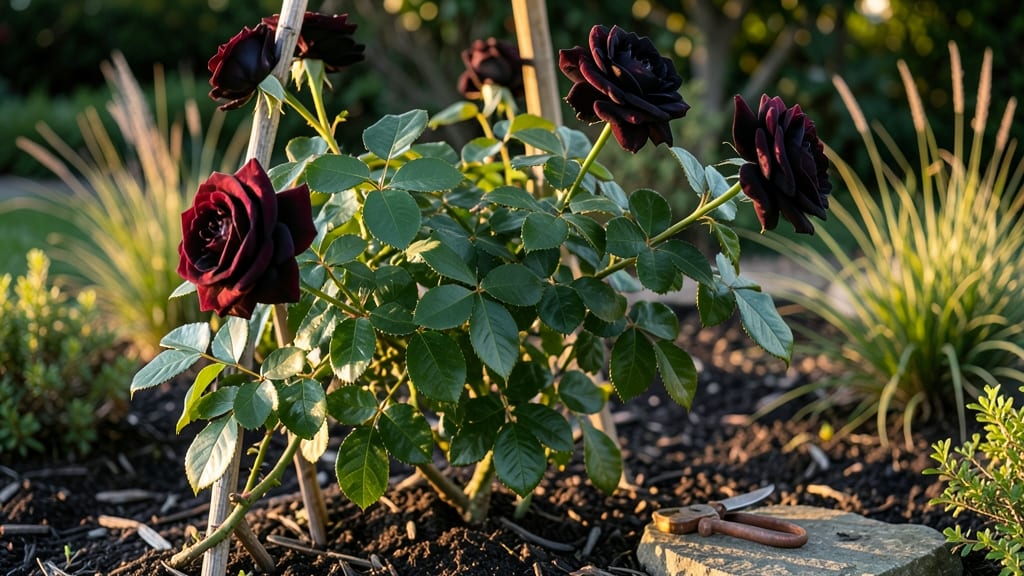
A dark red climbing rose transforms any garden into a dramatic, velvety masterpiece. 🌹 I’ve watched mine climb a rusted metal trellis, its deep burgundy blooms contrasting against the weathered metal—like a living work of art that never fades.
This isn’t just a plant; it’s a statement piece that adds height, texture, and allure to any space, whether you’re dressing up a bare wall or softening a stark fence.
The secret to making it shine lies in placement and support. Choose a sturdy trellis, arbor, or pergola—something that can handle its weight and the occasional thorny embrace. Morning sun and afternoon shade keep the blooms vibrant, while well-draining soil prevents root rot.
Pair it with silver foliage plants like lamb’s ear or dusty miller to make those dark red blooms pop even more.
By midsummer, you’ll have a cascading curtain of flowers that attract hummingbirds and fill the air with a heady, romantic fragrance. Prune in late winter to encourage strong new growth, and watch as it blooms from early summer through fall—sometimes even into winter in milder climates.
The thorns might seem intimidating, but they’re what give this rose its old-world charm.
Works beautifully along garden borders, over archways, or even as a privacy screen. For best results, plant it where you’ll see it every day—because once it’s established, it’ll reward you with drama and beauty for years to come. Ready to add some bold elegance to your outdoor space?
📚 In This Guide
- What you need
- Instructions
- Tips and common mistakes
- Wrapping up and next steps
What you need
- ● Dark red climbing rose: Choose a healthy, disease-resistant variety (e.g., 'Black Baccara,' 'The Challenger,' or 'Graham Thomas'). Quantity: 1-2 bare-root or potted plants.
- ● Planting site: Full sun (6+ hours of direct sunlight daily).
- ● Well-draining soil (amend with compost if needed).
- ● Support structure: Required: A sturdy trellis, arbor, or fence (at least 6–10 feet tall).
- ○ Optional: Rose arches, pergolas, or obelisks for architectural flair.
- ● Soil amendments: Compost (5–10 gallons) or aged manure to enrich soil.
- ● Balanced fertilizer (10-10-10 or rose-specific formula).
- ● Mulch: 2–3 inches of organic mulch (shredded bark or straw) to retain moisture.
- ● Garden trowel or spade.
- ● Pruning shears (sterilized with rubbing alcohol).
- ● Gloves (thick leather for thorns!).
- ○ Optional: Soil pH tester, hose with nozzle, and kneeling pad for comfort.
- ● Check local frost dates to plant at the right time (spring or early fall).
- ● Test soil pH (ideal range: 6.0–6.5 for roses).
- ● Plan your trellis placement to avoid shading other plants.
Step-by-Step guide to planting and caring for dark red climbing roses
Here’s how to plant and nurture a stunning dark red climbing rose for a showstopping vertical display.
🪴 Step 1: Choose the Perfect Planting Location
Dark red climbing roses thrive in full sun—at least 6-8 hours of direct sunlight daily. Pick a spot against a sturdy fence, trellis, or arbor where the plant can climb and spread. Avoid low-lying areas where cold air settles, as roses are frost-sensitive when young.
Test the soil’s drainage by digging a 12-inch hole. If water pools after 10 minutes, amend the soil with 2-3 inches of compost or organic matter to improve airflow. Roses hate soggy roots, so well-draining soil is non-negotiable. I always add a handful of garden lime if the soil is acidic (test with a pH kit).
🌱 Step 2: Plant at the Right Depth and Support
Dig a hole twice as wide as the root ball but no deeper—this prevents the graft union from being buried, which weakens the plant. Gently loosen the roots if they’re circling and position the rose so the graft (visible bump near the base) sits 2-3 inches above soil level. This encourages strong growth above ground.
Install a strong trellis or climbing frame before planting. Use 4-6 inch metal or wooden stakes to secure the rose as it grows. Place the plant near the support so it can cling immediately. Backfill the hole with native soil mixed with compost, tamping lightly to remove air pockets. Water deeply to settle the soil.
☀️ Step 3: Water and Fertilize for Strong Establishment
Water deeply 2-3 times per week for the first 4-6 weeks, keeping the soil 2-3 inches moist but never waterlogged. Dark red roses are thirsty but hate wet feet. I use a soaker hose to deliver water slowly at the base, avoiding wetting the leaves to prevent disease.
After planting, apply a balanced rose fertilizer (10-10-10) following package instructions. Feed again in 6-8 weeks, then switch to a low-nitrogen, high-phosphorus formula (5-10-10) in early spring to promote blooming. Mulch with 2-3 inches of organic mulch to retain moisture and regulate soil temperature. Keep mulch 6 inches away from the stem to prevent rot.
✂️ Step 4: Prune for Health and Abundant Blooms
Prune dark red climbing roses annually in late winter or early spring before new growth begins. Remove dead, diseased, or crossing branches first, then cut back remaining canes by one-third to encourage bushier growth. Look for the 5-leaflet leaf—prune just above a bud eye facing outward to direct energy upward.
Thin out crowded canes to 3-5 strong stems per plant. This improves airflow and reduces disease risk. After the first flush of blooms, deadhead spent flowers by cutting back to the first 5-leaflet leaf below the bloom. This redirects the plant’s energy into producing more flowers rather than seed pods. Wear gloves—those thorns are serious!
🌿 Step 5: Protect and Maintain Through the Seasons
In early spring, apply a 2-inch layer of mulch to insulate roots and retain moisture. Watch for black spot or powdery mildew—common fungal issues with roses. At the first sign of disease, remove affected leaves and spray with neem oil or a copper fungicide. Preventative care is easier than treating an outbreak.
Dark red roses bloom on new wood, so they reward consistent care. Feed lightly in early summer with a high-potassium fertilizer to support continuous flowering. By late fall, reduce watering but keep the soil slightly moist. Once the plant goes dormant, cut back canes by half and apply a thick layer of mulch to protect roots from winter chill.
Tips & tricks for perfect dark red climbing roses
Here's what nobody tells you about growing these dramatic beauties—tricks that'll transform your garden from ordinary to showstopping.
Sunlight Strategy: Those 6-8 hours of sunlight aren't just a suggestion—they're non-negotiable for deep, rich red blooms. I've seen roses in partial shade turn pale and weak. If your location gets less than 6 hours, consider a south-facing wall or reflective surface to bounce extra light onto the plant. Morning sun is ideal, but avoid hot afternoon sun in dry climates—it can scorch tender new growth.
The Drainage Test: That 10-minute water test in Step 1 is your best friend. If water disappears quickly, you're golden. If it pools, you've got work to do. I've had to dig out entire garden beds and replace heavy clay soil with a mix of native soil, compost, and coarse sand. The roots will thank you with vigorous growth and fewer fungal problems. Don't skip this step—waterlogged roots are the #1 killer of climbing roses.
Support System: Install that trellis or frame BEFORE planting—trust me, you'll thank yourself later when you're not wrestling with a 6-foot-tall rose trying to climb a flimsy structure. For heavy bloomers, use a trellis with horizontal wires spaced 12 inches apart. I've seen roses snap weak supports under the weight of just a few blooms. And position the plant close to the support so it can cling immediately—this encourages upward growth rather than sprawling habits.
Pruning Precision: When you're cutting back those canes by one-third in Step 4, look for the 5-leaflet leaf—this is your guide. Cut just above that leaf at a 45-degree angle to prevent water from pooling on the cut. I always make my cuts facing outward to encourage bushier growth. And here's a pro move: after your first major prune, mark the canes with paint or tape to track their growth. This helps you identify which canes need thinning next year.
Pro Tips for Dark Red Climbing Rose
- Here's what nobody tells you about growing these dramatic beauties—tricks that'll transform your garden from ordinary to showstopping.
- Sunlight Strategy: Those 6-8 hours of sunlight aren't just a suggestion—they're non-negotiable for deep, rich red blooms.
- The Drainage Test: That 10-minute water test in Step 1 is your best friend.
Frequently asked questions
Got questions about your dark red climbing rose? You’re not alone!
Here are answers to the most common queries—from planting to pruning—so you can keep your bold, thorny beauty thriving year after year.
What’s the best time to plant a dark red climbing rose?
Plant in early spring or fall when temperatures are mild (50–70°F). Avoid extreme heat or frost—your rose needs time to establish roots before winter. If planting in summer, water deeply daily and use shade cloth to reduce stress. Pro tip: Amend soil with compost for better drainage and nutrient uptake!
How much sunlight does a dark red climbing rose need?
These roses crave full sun (6–8+ hours daily). Without enough light, blooms will shrink, and growth may become leggy. If your yard is shady, choose a west-facing wall or trellis for maximum exposure. Warning: Too little sun = fewer flowers!
Can I grow a dark red climbing rose in a container?
Yes! Use a large pot (15+ gallons) with drainage holes and a high-quality potting mix. Repot every 2–3 years and fertilize monthly during growing season. Key tip: Keep soil consistently moist but not soggy—containers dry out faster!
Why aren’t my dark red climbing roses blooming?
Common culprits: over-pruning, nutrient deficiencies, or lack of sunlight. Check for:
Their sharp thorns are a trade-off for their dramatic beauty. Wear gloves (leather or heavy-duty) when pruning, and use long-handled tools for high branches. Safety hack: Keep a first-aid kit nearby—thorns can sneak up on you! Choose a strong, sturdy structure like:
Pro tip: Deadhead spent blooms to encourage more flowers!
Are dark red climbing roses thorny? How do I handle them safely?
What’s the best trellis or support for a dark red climbing rose?
Warning: Avoid flimsy supports—they’ll snap under the weight of blooms!
Wrapping up and next steps
The dark red climbing rose isn’t just a plant—it’s a statement, blending dramatic beauty with resilience. Whether you’re drawn to its velvety blooms, hardy nature, or year-round interest, this rose transforms any space into a garden masterpiece.
With the right care, it’ll reward you with stunning displays and a touch of old-world charm.
Ready to bring this bold beauty into your garden? Start by choosing the perfect spot, gather your supplies, and dive in—your thorny elegance awaits! 🌹✨