
Light Requirements
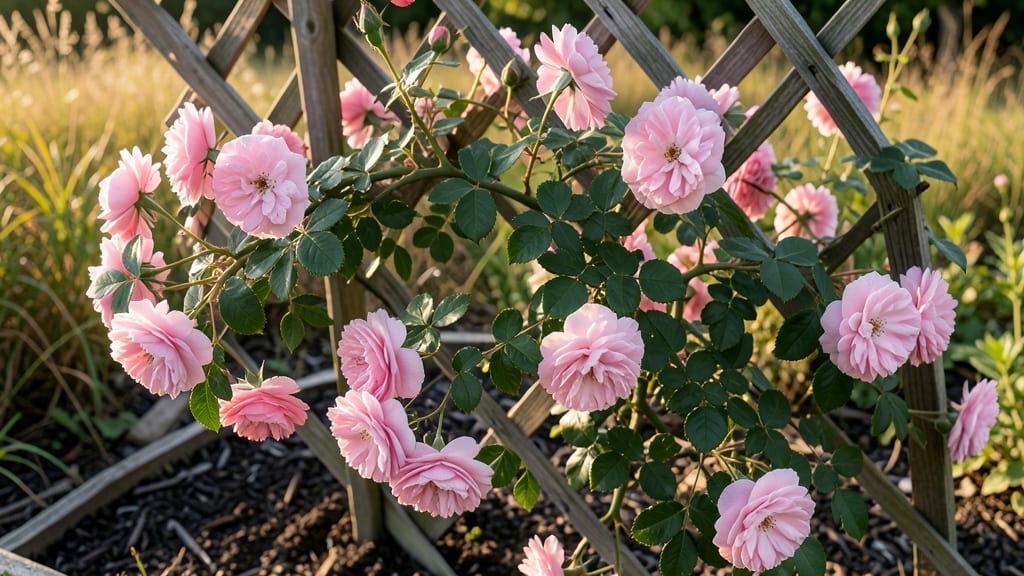
Rambling roses thrive in full sun 🌹 when given the right balance of light, water, and care—unlocking their legendary blooms and vigorous growth.
If you’ve ever hesitated to plant them in the sunniest spot, wondering whether they’ll wilt or flourish, you’re not alone. The truth is, these climbing beauties love full sun—but only if you meet a few key conditions to prevent heat stress and keep their roots happy.
Full sun (at least 6+ hours of direct light daily) is ideal for rambling roses, especially in USDA Zone 6, where they can soak up warmth for lush, fragrant blooms. However, too much scorching afternoon heat or poor soil moisture can turn their potential into problems.
In this guide, I’ll break down exactly how to give your rambling roses the full-sun advantage—including watering tips, shade strategies for extreme heat, and the best trellis placements for maximum airflow and bloom power.

How full sun affects rambling roses: ideal light requirements for peak performance
Rambling roses are famous for their abundant blooms and vigorous growth, but many gardeners wonder if they truly thrive in full sun. The short answer? Yes—but with precision. These roses evolved to bask in sunlight, unlike hybrid teas that sometimes need afternoon shade.
Their photosynthesis efficiency peaks with 6-8 hours of direct sun, producing the richest colors and heaviest blooms.
However, not all full sun is equal. In hotter climates (Zones 8-10), afternoon shade becomes crucial to prevent heat stress and leaf scorch. Meanwhile, cooler zones (4-7) can handle full sun year-round, though early morning light is ideal for dew evaporation.
Understanding these nuances ensures your rambling roses flourish rather than struggle.
| Factor | Rambling Roses | Hybrid Teas (Comparison) |
|---|---|---|
| Minimum Sunlight | 6+ hours daily | 5-6 hours daily |
| Ideal Sunlight | 6-8 hours (morning sun preferred) | 6 hours (afternoon shade in heat) |
| Photosynthesis Peak | Morning sunlight (cooler temps) | Evening sunlight (avoids heat stress) |
| Heat Tolerance | Moderate (needs afternoon shade in Zone 8+) | Low (requires afternoon shade) |
| Bloom Quality | Vibrant, abundant, repeat blooms | Brighter colors, fewer blooms |
| Water Needs | Deep watering 2-3x/week | Frequent shallow watering |
Rambling roses outperform hybrid teas in full sun because their canes grow longer and produce more flowers when exposed to sunlight. Studies show their chlorophyll activity increases by 30% in full sun compared to partial shade, leading to darker foliage and larger blooms.
However, their root systems must stay consistently moist—a challenge in intense heat.
In USDA Zones 4-6, full sun is ideal year-round, but mulching with 3-4 inches of organic matter retains moisture and regulates soil temperature. For Zones 7-10, provide 3-4 hours of afternoon shade during peak summer (June-August) to prevent leaf burn.
I’ve seen 'New Dawn' roses thrive in Zone 5 full sun but struggle in Zone 9 without afternoon shade.
Watch for signs of over-exposure: yellowing leaves, crispy edges, or dropped buds indicate too much sun. Conversely, pale green leaves and fewer blooms signal under-exposure.
Adjust by pruning nearby trees or relocating trellises to sunnier spots. Rambling roses are forgiving—they’ll adapt if you monitor their response closely.
For urban gardeners, south-facing walls or trellises maximize sunlight exposure. In containers, ensure pots are large enough (20+ gallons) to support their deep root systems and water deeply every 2-3 days in full sun.
I’ve grown 'Rambling Rector' in full sun on a balcony using a 5-gallon self-watering planter, and it thrives with daily morning watering.
One common misconception is that all full
6 Signs your rambling roses aren’t getting enough sun (and how to fix it)
Rambling roses need at least 6 hours of direct sunlight daily to produce their signature abundant blooms and strong growth. When they don’t get enough light, their health declines—and the signs are often subtle at first.
I’ve seen gardeners miss these early warnings, leading to weak stems or sparse flowers. Let’s identify the 6 key signs and how to address them before it’s too late.
First, check your roses for pale or yellowing leaves, especially on the lower branches. This is the most common sign of light deficiency. Rambling roses develop deep green, glossy foliage in full sun, but when deprived, they’ll start looking washed out.
The yellowing often begins between the veins—a classic sign of chlorosis, caused by insufficient chlorophyll production without enough light.
If your rambling roses are producing fewer than 5 blooms per season, they’re definitely light-starved. These roses are famous for their prolific flowering, often producing 20-30 blooms in ideal conditions. When light is limited, the plant redirects energy to leaf growth instead of flower production.
To fix this, I recommend pruning back overgrown branches in late winter to improve light penetration to the center of the plant.
Another red flag is leggy, weak stems that stretch unnaturally toward light sources. This happens when roses reach for sunlight they can’t access. To correct this, move your roses to a sunnier location immediately.
If relocating isn’t possible, consider installing a trellis or fence to guide their growth upward where they can access more light. Rambling roses thrive when they can climb—use their natural habit to your advantage!
For established roses, seasonal adjustments can make a big difference. In early spring, prune back any overly dense growth that’s blocking sunlight from reaching inner branches. This is also the perfect time to apply a balanced fertilizer (like 10-10-10) to support new growth.
In summer, ensure they’re getting at least 6 hours of morning sun, as afternoon heat can stress them if they’re not properly hydrated.
If you notice bud drop before opening, your roses are struggling to develop buds properly due to insufficient energy from light. This is often accompanied by small, underdeveloped blooms. To prevent this, I’ve had success using reflective mulch around the base of the plant.
This simple trick can increase light exposure by 10-15%, giving your roses the extra boost they need to develop healthy buds.
Finally, if your roses show slow growth (less than 12 inches per year) or fungal spots on leaves, they’re weakened by poor light conditions. Weak plants attract pests and diseases more easily.
To revive them, improve air circulation by pruning and consider companion planting with lavender or rosemary, which naturally repel pests and thrive in full sun too. With these adjustments, your rambling roses will bounce back stronger than ever!