
Pests and Diseases
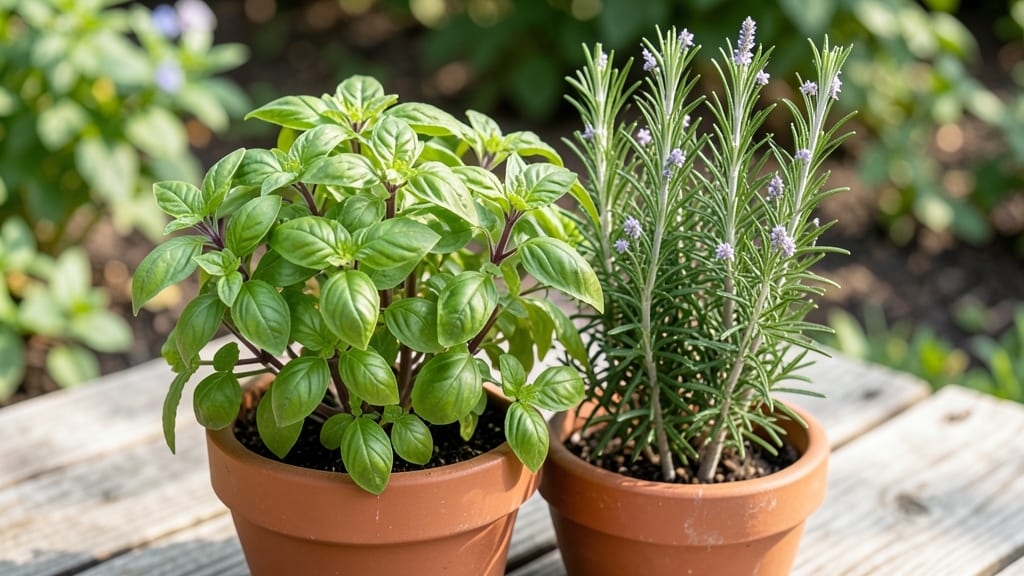
Basil and rosemary can work together in carefully chosen recipes, though their bold flavors require balance—basil’s bright, slightly sweet profile harmonizes with rosemary’s earthy, piney notes in Mediterranean-style dishes like tomato sauces or grilled meats. Use rosemary sparingly to avoid overpowering the delicate basil flavor.
While these herbs seem like an unlikely pairing at first glance, their contrasting aromas actually create depth when used strategically. 🌿 Basil’s sweet, peppery essence softens rosemary’s sharp, resinous qualities, especially when combined with acidic ingredients like lemon or vinegar.
Think of rosemary as the backbone and basil as the finishing touch—together, they elevate dishes like roasted chicken or herb-infused olive oil.
For best results, add rosemary early in cooking (like during marinating) to develop its flavor gradually, while fresh basil should be incorporated at the end to preserve its vibrant aroma. This approach prevents the rosemary from dominating and lets both herbs shine in their own right.
💡 In This Article
- Flavor Science: Why Basil and Rosemary Complement (or Clash)
- Best Dishes to Pair Basil and Rosemary Like a Pro
Flavor science: why basil and rosemary complement (or clash)
The secret to whether basil and rosemary work together lies in their chemical profiles. Basil contains eugenol (30-40% of its essential oil), which gives it that peppery kick, alongside linalool for its sweet floral notes.
Rosemary, on the other hand, packs camphor (15-25%) and pinene (20-30%), delivering that sharp, piney aroma. When combined, these compounds create a fascinating contrast—like pairing a smooth red wine with a bold blue cheese. 🔥
Heat acts as the great equalizer. Cooking rosemary at 350°F for 15-20 minutes softens its harsh camphor notes, allowing the basil's delicate sweetness to emerge. This is why rosemary-basil pesto works so well when lightly sautéed with garlic before adding fresh basil.
The heat also breaks down rosemary's volatile oils, making them more subtle. Meanwhile, basil's eugenol becomes more pronounced when exposed to heat, creating a perfect balance—like how a well-timed marinade transforms tough meat into tender perfection.
Acidity and fat play crucial roles too. A splash of lemon juice (about 1 tablespoon per cup of oil) or vinegar cuts through rosemary's intensity while enhancing basil's brightness. Fat—like olive oil—carries both flavors evenly, preventing either herb from overpowering.
This is why Mediterranean dishes often use these herbs together: the acidity in tomatoes or the richness of grilled meats creates the perfect canvas for their contrasting notes to shine.
Where they clash is in delicate preparations. Fresh basil wilted in a cold salad with chopped rosemary can taste bitter and disjointed because rosemary's strong aroma masks basil's sweetness. The solution?
Use dried rosemary (just 1/4 teaspoon per 1 cup of fresh basil) or infuse rosemary into oil separately before combining. This way, you get the depth without the overpowering punch.
Consider this ratio for maximum harmony: for every 1 cup of fresh basil, use 1/4 to 1/2 teaspoon of dried rosemary or 1 sprig of fresh rosemary. The key is letting rosemary develop its flavor first—through marinating or slow cooking—before introducing fresh basil at the end.
This staged approach mirrors how professional chefs build flavor layers in their dishes.
The science behind their harmony reveals why they work in Mediterranean cuisine. Both herbs thrive in similar climates and share historical culinary traditions, even if their flavors seem worlds apart.
Their terpene compounds actually complement each other when properly balanced—like how the right amount of salt enhances all flavors in a dish. 💫