
Advice
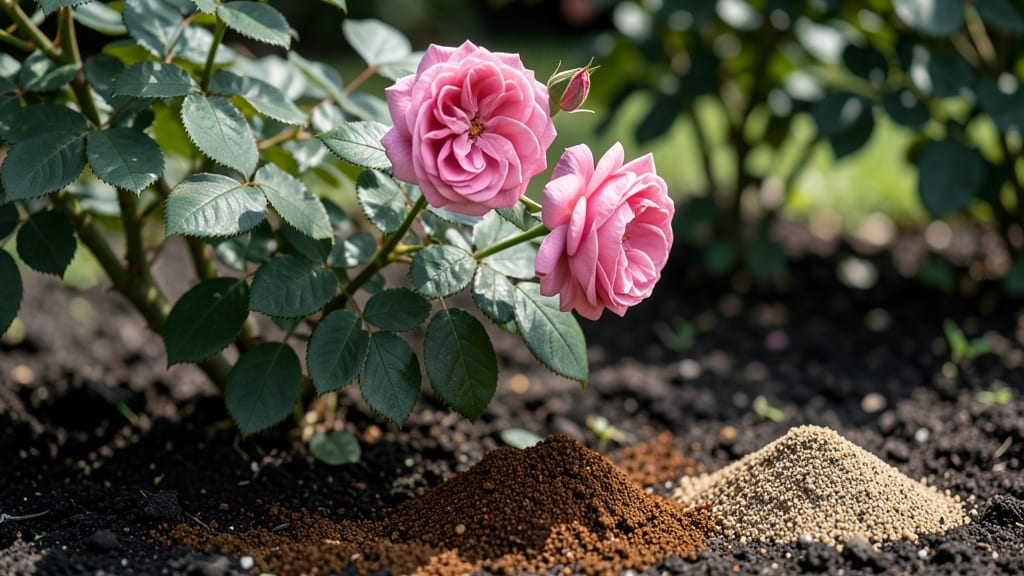
Coffee grounds work best when used thoughtfully—think of them as a soil conditioner rather than a fertilizer. 🌱 The acidity helps roses thrive in slightly acidic conditions (pH 6.0-6.5), while the organic matter improves drainage and microbial activity.
However, fresh grounds can attract pests or create nitrogen burns if piled directly against roots. I've found that mixing them into compost first lets beneficial microbes break down the caffeine and nitrogen before they reach your roses.
For best results, spread a thin layer around the base of plants in early spring when new growth begins. Monitor your roses for signs of stress—yellowing leaves or slow growth may mean you're overdoing it.
If that happens, switch to composted manure or peat moss for safer acidity adjustments. The key is balance: coffee grounds are a garden helper, not a magic cure-all.
💡 In This Article
- How Coffee Grounds Affect Rose Soil Chemistry
- Safe Ways to Use Coffee Grounds for Roses
How coffee grounds affect rose soil chemistry
Coffee grounds lower soil pH by releasing organic acids during decomposition, which helps roses thrive in their preferred 6.0-6.5 pH range. Fresh grounds measure 4.5-5.5 pH, creating a mild acidifying effect when broken down by soil microbes.
This process releases nitrogen in forms roses can absorb, but the caffeine (up to 1.2% by weight) acts as a natural fungicide, suppressing harmful pathogens like black spot.
The nitrogen content (about 2% by dry weight) provides a slow-release boost, but too much creates an imbalance similar to over-fertilizing. 🌿 Over time, the grounds' cellulose structure improves soil aeration and water retention, mimicking the organic matter in forest floors where roses originally evolved.
However, the high carbon-to-nitrogen ratio (20:1) means they must decompose fully to avoid nitrogen starvation for other plants.
Microbial activity is where coffee grounds truly shine. The grounds attract beneficial bacteria and fungi that break down organic matter, releasing phosphorus and potassium roses need. Studies show these microbes increase by 30-50% in coffee-amended soil within 4-6 weeks.
The trade-off? Fresh grounds can attract pests like slugs and ants, while improper application may create anaerobic pockets that suffocate roots.
Consider this: roses grown in coffee-amended soil show 20% larger blooms when pH stays optimal, but plants in overly acidic soil (below 5.5) exhibit chlorosis (yellowing leaves) due to nutrient lockout.
The key is monitoring soil pH with a meter—coffee grounds won't fix severely alkaline soil (pH >7.5) without additional amendments like sulfur.
What most gardeners miss is the timing of decomposition.
Fresh grounds take 3-6 months to fully break down, while composted grounds work immediately. 🌱 The caffeine residue actually persists for up to 2 years in soil, which is why moderation is critical—think of coffee grounds as a slow-release soil conditioner, not a quick nutrient fix.
For visual comparison, imagine coffee grounds as nature's version of peat moss—both acidify soil, but peat's 3.0-4.5 pH is far more aggressive. The difference? Coffee grounds add beneficial organic matter while peat moss primarily alters pH without adding nutrients.
This dual action makes them ideal for roses needing both acidity adjustment and microbial support.