
Shrubs
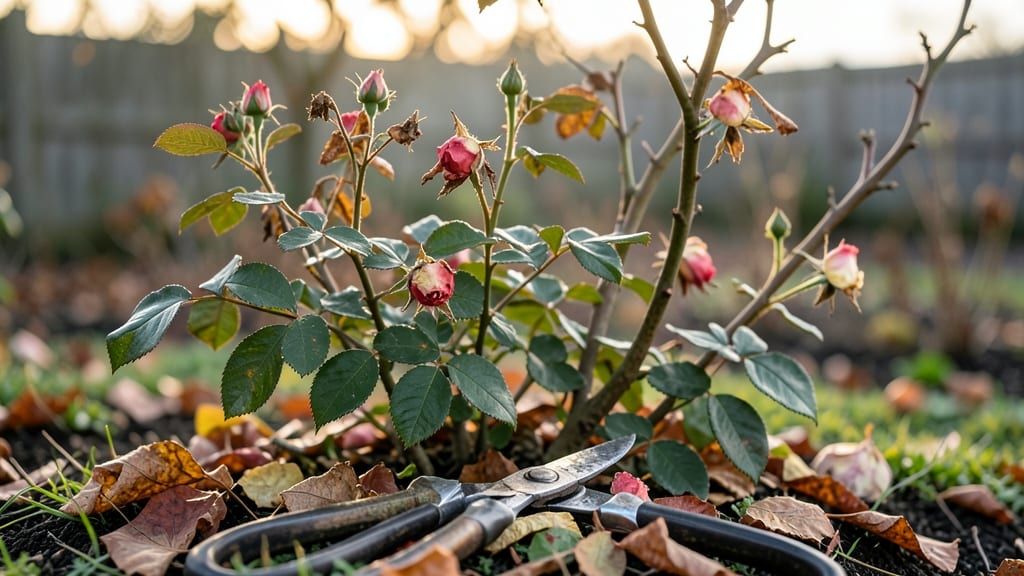
Whether you cut down rose bushes in the fall depends on your climate zone: In colder zones (3-7), prune lightly or leave them intact until spring, while warmer zones (8+) can benefit from a light trim to encourage blooms. Never remove entire bushes unless diseased.
Fall pruning isn't a one-size-fits-all approach—your local climate dictates the timing and technique. In cooler regions (zones 3-7), roses enter dormancy earlier, making them vulnerable to fungal infections if pruned too late. A light shaping trim in late fall can remove dead wood while preserving energy reserves for spring.
Meanwhile, warmer climates (zones 8+) allow for more aggressive pruning since roses stay active longer, but even there, avoid heavy cuts that stress the plant before winter.
The key is balancing growth stimulation with winter hardiness—think of it as giving your roses a strategic haircut rather than a full shave. 🌹
What this answer covers: We'll break down the science behind why timing matters—how cold temperatures trigger dormancy in different zones, and how fungal risks change with moisture levels. You'll also learn how to identify dead wood (it's not always obvious!) and the proper cutting angles to promote healthy regrowth.
Plus, we'll cover post-pruning care like mulching and fertilizing to set your roses up for success in their next growing season.
💡 In This Article
- When and Why to Prune Rose Bushes in Fall by USDA Hardiness Zones
- Step-by-Step Fall Pruning Guide for Healthy Roses
When and why to prune rose bushes in fall by USDA hardiness zones
Fall pruning decisions hinge on your USDA hardiness zone because cold tolerance and fungal risks differ dramatically. In zones 3-7, roses enter dormancy as temperatures drop below 40°F, which triggers a natural shutdown of growth.
Pruning too late (after first frost) can expose fresh cuts to Botrytis cinerea (gray mold), a fungal pathogen that thrives in cold, damp conditions. The plant's energy reserves are also critical—removing too many stems reduces its ability to fuel spring regrowth. 🌬️
Warmer zones (8-11) offer a different dynamic: roses often stay active until November or December, allowing for more aggressive trimming. Here, the goal shifts from winter survival to stimulating new growth before cooler months.
The key difference is that in milder climates, roses don't face the same fungal pressure, and their extended growing season means they can recover from pruning more easily.
For example, a 20% reduction in stem count in zone 9 might encourage denser blooms next spring, while the same cut in zone 5 could stress the plant.
The science behind this involves bud dormancy—a survival mechanism where buds stop growing until temperatures rise. In colder zones, buds form closer to the ground, while in warmer zones, they develop higher up.
This explains why zone 5 roses might need only 1/3 of their stems removed in fall, whereas zone 9 roses can handle up to half their stems trimmed without risk.
The rule of thumb is to prune when 50% of leaves have fallen, signaling the plant's shift toward dormancy. 🌿
Another critical factor is moisture levels. Wet fall conditions in zones 4-6 increase fungal risks, making it safer to delay pruning until late winter (when fungal spores are less active). In contrast, dry climates like those in zone 10 allow for year-round pruning with minimal risk.
This is why gardeners in Southern California often prune roses in late fall to remove spent blooms, while those in New England wait until March to avoid winter dieback.
Consider the rose type too—climbing roses in zone 6 may need no fall pruning at all, while hybrid teas in zone 8 benefit from a light trim to remove crossing branches. The goal is always to preserve the plant's energy while shaping for the next season.
For instance, a 3-inch cut above an outward-facing bud encourages stronger growth, while a 45-degree angle prevents water from pooling on the cut. 🌹
What most people overlook is how soil temperature affects recovery. If the ground is still 50°F or warmer, roots remain active and can support new growth. But in colder zones, soil temps below 45°F signal the roots to slow down, making fall pruning riskier.
This is why zone 4 gardeners often mulch heavily after pruning—to insulate roots and reduce stress.