
Flowers
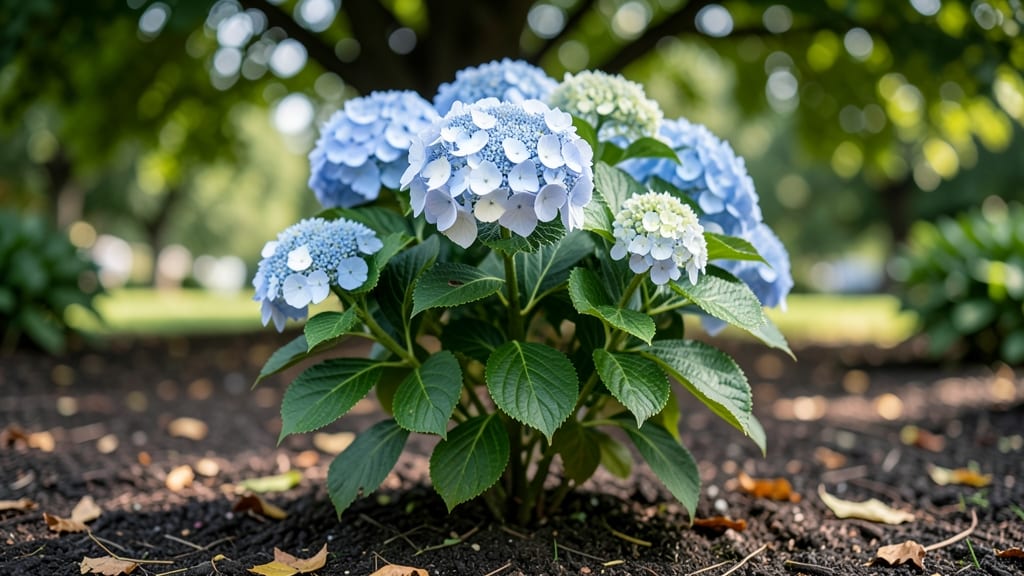
A full grown Blue Chiffon Rose of Sharon 🌸 is a showstopper in any garden, but its stunning blue blooms depend on one critical skill: pruning. Without the right timing, even the hardiest shrubs can end up leggy or bare.
Picture this: your Blue Chiffon stands tall and proud, its branches heavy with vibrant flowers—until you realize it’s blooming in fits and starts, or worse, not at all. The secret isn’t just when you prune, but how you shape it for maximum impact.
In Zones 4-9, this shrub thrives with the right care, and the key to long-lasting blooms lies in seasonal pruning. Whether you’re dealing with winter dieback or summer heat stress, the techniques I’ll share will keep your Blue Chiffon looking its best year-round.
By the end, you’ll know exactly when to trim, how much to cut back, and the little tricks that make all the difference—so you can enjoy longer blooms and a healthier plant for seasons to come.
Optimal pruning timeline for Blue Chiffon Rose of Sharon by season
The Blue Chiffon Rose of Sharon thrives with strategic pruning that aligns with its natural growth cycles. Unlike many shrubs, this variety blooms on new wood, meaning late-season cuts encourage next year's flowers.
For Zones 4-5, timing adjustments are critical to protect against early frosts while maximizing bloom potential. Let's break down the seasonal approach to keep your shrub healthy, vibrant, and full of those stunning blue blooms.
Pruning isn't just about cutting back—it's about shaping growth, preventing disease, and encouraging stronger stems. In colder zones, winter prep is especially important to shield the plant from harsh conditions.
Whether you're a seasoned gardener or new to shrub care, this step-by-step guide will help you prune with confidence and see dramatic improvements in your Blue Chiffon Rose of Sharon's performance.
- 1 Late Winter (Zones 4-5: February-March) – Prune dormant branches to remove dead or weak wood. Cut just above outward-facing buds at a 45-degree angle. This is your foundation cut for the year. In colder zones, wait until after the last frost to avoid damaging tender new growth.
- 2 Early Spring (April) – Lightly shape the shrub by trimming overcrowded branches to improve air circulation. Focus on selective thinning to maintain an open center. Avoid heavy pruning now—save aggressive cuts for summer. This step encourages early spring blooms if any appear.
- 3 Mid-Summer (July-August) – Perform rejuvenation pruning to remove up to 1/3 of old wood. Cut back last year's growth to strong buds just above outward-facing leaves. This stimulates fall blooms and prevents the shrub from becoming overgrown and leggy. In Zones 4-5, monitor for early signs of dormancy.
- 4 Fall (September-October) – Deadhead spent blooms and trim weak or diseased branches. Avoid heavy pruning now—let the plant enter dormancy with its energy reserves intact. In Zones 4-5, apply a 2-3 inch mulch layer to protect roots from freezing temperatures. This is your final prep before winter.
- 5 Winter (November-February) – Inspect for damage and remove any frozen or broken branches. In Zones 4-5, wrap young shrubs with burlap or frost cloth if temperatures drop below -15°F. Avoid pruning during dormancy—wait until late winter to resume shaping. This is the resting phase for your Rose of Sharon.
For Zones 4-5, the key adjustment is delaying spring pruning until after the last frost date. In my garden, I mark my calendar for mid-April to ensure new growth isn't damaged by late frosts.
Another tip: always use sterilized pruners to prevent spreading disease. I dip mine in rubbing alcohol between cuts to keep my Blue Chiffon Rose of Sharon healthy and thriving.
If your shrub looks overgrown or leggy, don't panic—it's not too late to revive it. Start with a rejuvenation cut in mid-summer, removing up to half the oldest wood.
This drastic measure encourages vigorous new growth and can transform a neglected shrub into a lush, blooming beauty within a season. Just be patient—your Rose of Sharon will reward you with longer, more abundant blooms next year.
One common mistake is pruning too late in the season, which can stimulate tender new growth that won't survive winter. I learned this the hard way when my first Blue Chiffon Rose of Sharon suffered frost damage after a late summer trim.
Now, I follow the late winter to mid-summer rule religiously. Another pro tip: always cut just above a bud or leaf node—never leave stubs, as they can trap moisture and cause rot.
To maximize blooms, focus on selective thinning rather than shearing. Shearing can create a dense, bushy look but often results in fewer flowers and more foliage. Instead, remove crossing or inward-growing branches to open up the center. This improves air flow, reduces disease risk, and encourages more sunlight penetration for better blooming. In my experience, a well-pruned Blue Chiffon Rose of Sharon can produce
How to prune for longer blooms: cutting techniques for Blue Chiffon varieties
The Blue Chiffon Rose of Sharon produces stunning blue-purple blooms that last longer when pruned correctly. Unlike many shrubs, this variety blooms on both old and new wood, giving you flexibility in timing.
The key is selective pruning—removing only what’s necessary to encourage healthier stems and prolonged flowering. Start by identifying weak, crossing, or diseased branches—these are your first targets for cuts.
Your pruning tools should include sharp bypass pruners for clean cuts and loppers for thicker branches. Always sterilize your tools with rubbing alcohol between cuts to prevent bacterial infections that can weaken your shrub.
Work on dry, sunny days to reduce stress on the plant and minimize disease spread. Remember, one-third of the plant’s growth can be removed annually without harming it.
⚠️ WARNING: Avoid These Pruning Pitfalls with Blue Chiffon Rose of Sharon
Cutting back more than 30% of the plant’s growth in early spring removes next year’s old-wood blooms. The Blue Chiffon variety relies on both old and new wood for flowers—aggressive pruning can reduce blooms by 50%.
⚠️ Pruning After First FrostWinter pruning in Zones 4-5 should wait until late winter or early spring (after the last frost). Pruning too early can leave stems vulnerable to cold damage and fungal infections.
⚠️ Ignoring Weak or Diseased StemsLeaving dead or infected branches can spread disease throughout the shrub. Always remove these down to the base—never leave stubs, as they can harbor pathogens.
For longer blooms, focus on selective thinning—remove 1-2 old stems each year to encourage new growth. Look for thin, leggy branches with few leaves; these are energy drainers. Cut them back to a healthy bud or lateral branch.
This technique improves air circulation, reducing humidity-related diseases like powdery mildew while promoting denser foliage and more flowers. Always cut at a 45-degree angle just above a bud facing outward to encourage growth away from the center.
Deadheading spent blooms is another game-changer for extending the flowering season. Simply snip off faded flowers just above the next set of leaves or buds. This redirects the plant’s energy from seed production to new bloom development. Repeat this every 1-2 weeks during peak bloom season (late summer to fall) to keep your Blue Chiffon looking fresh until the first frost. For overgrown bushes, a rejuvenation cut in late winter works wonders—reduce the plant by one-third, cutting back to strong, healthy stems or the ground if necessary.
If your Rose of Sharon looks woody and sparse, it’s time for a renewal prune. In late winter, cut back older stems to 1-2 feet tall, leaving only younger, vigorous shoots. This drastic measure stimulates new growth and restores blooming potential.
Water deeply after pruning to help the plant recover. Within 2-3 weeks, you’ll see fresh shoots emerging—these will produce abundant blooms the following season. Mulch around the base with 2-3 inches of organic mulch to retain moisture and protect roots.
Finally, shape your shrub for optimal airflow and sunlight penetration. Aim for an open, vase-like structure rather than a dense center. This reduces fungal risks and ensures even sunlight exposure for all branches.
Prune gradually over 2-3 years if your bush is severely overgrown—never tackle more than one-third in a single season. With these techniques, your Blue Chiffon Rose of Sharon will reward you with longer, more vibrant blooms year after year.