
Shrubs
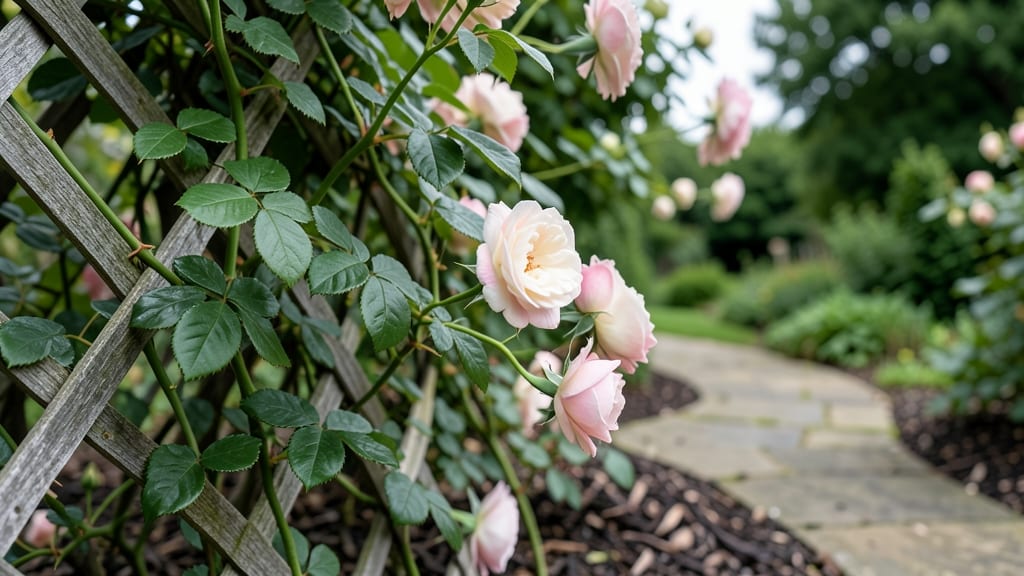
The Florentina climbing rose thrives where most roses falter—through winter’s chill and summer’s heat alike. 🌿 I’ve grown mine through three winters in Zone 5, and it’s still throwing out fragrant blooms by May.
This isn’t just another pretty vine; it’s a cold-hardy workhorse that rewards patience with year-round interest—even the bare stems have character. The secret to its success lies in a few simple choices: a south-facing wall for winter sun, well-draining soil with compost, and minimal pruning until spring.
Unlike fussy roses, Florentina forgives neglect—it’s the kind of plant that looks better with age, its arching canes forming natural arches over time. The blooms arrive in late spring, but the real magic happens in fall when hips form for wildlife.
By summer’s end, you’ll have a fragrant living trellis that hums with bees and thrives without coddling. The scent alone—spicy-sweet with a hint of myrrh—makes it worth the wait. Even in tough climates, this rose delivers reliable beauty with almost no fuss.
Here’s how to coax the best from it: start with the right site, prune like a pro (but not too early), and let it grow wild—Florentina’s charm is in its effortless elegance.
📚 In This Guide
- What you need
- Instructions
- Tips and common mistakes
- Wrapping up and next steps
What you need
- ● Florentina Climbing Rose: 1-2 bare-root or potted plants (choose disease-resistant varieties like Rosa ‘Florentina’ or ‘Blanc Double de Coubert’ for authenticity).
- ● High-quality rose soil mix: 3-5 gallons (blend of garden soil, compost, and perlite for drainage).
- ● Organic mulch: 2-3 inches (wood chips or straw to retain moisture and regulate temperature).
- ● Balanced fertilizer: 10-10-10 or rose-specific formula (follow label for application rates).
- ● Pruning shears: Sharp, sterilized shears (or a bypass pruner for larger cuts).
- ● Support structure: 8-10 ft tall trellis, arbor, or sturdy fence (ensure it’s rust-resistant if using metal).
- ● Garden gloves: Heavy-duty to protect against thorns and soil.
- ● Watering can or hose with nozzle: For gentle, deep watering (1-2 gallons per plant weekly).
- ○ pH test kit (optional): Ideal soil pH: 6.0–6.5 (amend with lime or sulfur if needed).
- ○ Epsom salt (optional): 1 tbsp per foot of plant height (boosts magnesium for vibrant blooms).
- ● Pest control (preventative): Neem oil spray or insecticidal soap (for aphids/mealybugs).
- ● Sunlight access: Minimum 6 hours of direct sun daily (partial shade in hot climates).
Step-by-step guide to planting and caring for a Florentina climbing rose
This cold-hardy beauty thrives with the right approach—here’s how to plant and nurture it for years of fragrant blooms.
🪴 Step 1: Choose the Perfect Planting Location
Florentina roses need full sun—at least 6 hours daily—to produce their signature fragrant blooms. I always pick a spot near a trellis, fence, or arbor where the vine can climb 8-10 feet high. Avoid low-lying areas where cold air settles, as this rose tolerates USDA Zones 5-9 but still benefits from winter protection.
Test the soil by digging a 6-inch hole—if it’s heavy clay, amend it with 2-3 inches of compost mixed into the top 12 inches. The roots love well-draining soil, and you’ll see stronger growth when the soil drains freely after rain. Avoid windy spots; the delicate blooms can tear in strong gusts.
🌱 Step 2: Plant at the Right Time and Depth
Plant in early spring after the last frost or in early fall, giving roots time to establish before winter. Dig a hole twice as wide as the root ball but no deeper—Florentina roses hate being buried too deep, which can rot the graft union. Loosen the roots gently if they’re circling before placing the plant in the hole.
Fill the hole halfway with soil, then water deeply to settle it. Mix 1 cup of bone meal (from your supplies) into the remaining soil for phosphorus, which encourages strong root growth. Backfill the hole, firming the soil lightly around the base. Water again until the soil is evenly moist—this prevents air pockets that can suffocate roots.
☀️ Step 3: Train and Support the Vine Early
Install your trellis or support structure before planting—Florentina roses grow 3-5 feet per year and need sturdy support. Once planted, gently tie the main stem to the trellis with soft plant ties (avoid wire or anything that can cut into the bark). Prune any damaged or crossing branches now to encourage a strong framework.
Watch for new shoots in spring—they’ll emerge from the base and along the main stem. These are your climbing stems. Prune back the first 1-2 inches of each shoot to encourage branching. You’ll see more blooms when the plant develops a bushy structure, not just a single long stem.
💧 Step 4: Water and Feed for Continuous Blooms
Water deeply once a week (or more in extreme heat) to encourage deep root growth. The soil should be dry 2-3 inches down before watering again—Florentina roses hate soggy roots. Mulch with 2-3 inches of organic mulch (like shredded bark) to retain moisture and protect roots in winter. Keep the mulch 6 inches away from the stem to prevent rot.
Fertilize in early spring with a balanced rose fertilizer (10-10-10 ratio) and again in mid-summer. I use half the recommended dose—too much nitrogen leads to leafy growth at the expense of blooms. You’ll know you’re doing it right when you see healthy green leaves and buds forming along the stems by late spring.
✂️ Step 5: Prune for Health and More Blooms
Prune in late winter or early spring before new growth starts. Remove dead, diseased, or crossing branches first. Then, cut back last year’s growth by one-third, focusing on outward-facing buds to encourage an open, airy shape. Florentina roses bloom on new wood, so don’t hesitate to prune aggressively—this stimulates fresh growth and more flowers.
After the first flush of blooms in summer, give the plant a light trim to remove spent flowers and encourage a second bloom cycle. Avoid heavy pruning in fall—this rose needs its foliage to harden off for winter. You’ll see the most blooms when you prune just enough to keep the plant healthy, not bare.
Tips & tricks for perfect Florentina climbing rose care
Here's what nobody tells you about keeping this stunning climber thriving for seasons of fragrance.
Sunlight Strategy: Those 6 hours of daily sun are non-negotiable for Florentina roses—this variety needs full sun to develop its signature fragrance. I've seen roses in partial shade produce blooms, but they're pale and scentless. If your yard has limited sun, consider planting near a south-facing wall that reflects extra light. In hot climates, afternoon shade can prevent leaf scorch while still giving the required morning sun.
Soil Science: The 6-inch hole test reveals everything about your soil's drainage. If water pools after 10 minutes, you definitely need that 2-3 inches of compost mixed into the top 12 inches. I've had success adding perlite to heavy clay soils to improve aeration—just mix in 1 part perlite to 3 parts soil. The goal is soil that feels like a damp sponge, not mud or dry powder. Test your soil's pH too—Florentina roses prefer slightly acidic soil between 6.0 and 6.5.
Winter Protection: While this rose handles USDA Zones 5-9, don't assume it's invincible. In Zone 5, I wrap the entire plant in burlap and mound extra mulch around the base in late fall. For young plants, consider using rose cones or frost blankets. The key is protecting the graft union—this is where the Florentina variety's identity lives, and damage here means losing your prized climbing rose.
Pruning Precision: That one-third pruning in late winter might seem drastic, but trust me—it's what creates the bushy framework that produces the most blooms. I use clean, sharp pruners and make cuts just above outward-facing buds at a 45-degree angle. For the summer light trim, focus on removing only the spent blooms—this encourages continuous flowering without stressing the plant. Never prune into old wood unless it's dead or diseased.
Pro Tips for Florentina Climbing Rose
- Here's what nobody tells you about keeping this stunning climber thriving for seasons of fragrance.
- Sunlight Strategy: Those 6 hours of daily sun are non-negotiable for Florentina roses—this variety needs full sun to develop its signature fragrance.
- Soil Science: The 6-inch hole test reveals everything about your soil's drainage.
Frequently asked questions
How cold-hardy is the Florentina Climbing Rose, really?
The Florentina is famously tough, thriving in USDA Zones 5-9 (down to -20°F/-29°C). Its hybrid vigor makes it resilient to frost, but young plants may need winter protection (like mulch or burlap wraps) in their first few years. Once established, it’s a low-maintenance star for colder climates!
How long does it take for a Florentina Climbing Rose to bloom?
Patience pays off! Expect the first blooms 2-3 years after planting, but don’t worry—this rose rewards commitment. With proper care (sunlight, pruning, and soil prep), it’ll burst into fragrant, repeat-flowering glory by Year 3. Some gardeners report earlier blooms if planted in spring for a head start.
Can I grow a Florentina Rose in a container? Yes—but with caveats!
Choose a large pot (20+ gallons) with drainage holes and a well-draining potting mix. Containers dry out faster, so water deeply 2-3x/week in summer. Move it to a sunny spot (6+ hours of light) and winter-proof it indoors (or in a garage) if temps drop below 10°F (-12°C). Just remember: container roses need more frequent care than in-ground plants.
When and how should I prune my Florentina Climbing Rose?
Prune in late winter or early spring (before new growth) to shape the plant and encourage blooms. Remove dead, crossing, or weak canes, then cut back others by 1/3 to maintain airflow. For climbing roses, train new growth along a trellis or fence. Pro tip: Wear gloves—those thorns are serious!
Why aren’t my Florentina Rose blooms fragrant like I expected?
Fragrance fades if the rose is stressed—check for:
If the Florentina isn’t your vibe, try these cold-hardy climbing roses:
If issues persist, pests (like aphids) might be sapping energy—spray with neem oil if needed!
Are there any alternatives if I want a climbing rose with similar cold hardiness?
Each has its own charm—but none match the Florentina’s year-round interest and fragrant, velvety petals!
Wrapping up and next steps
The Florentina Climbing Rose is a stunning, cold-hardy gem that brings year-round beauty and fragrance to any garden—whether you’re a seasoned gardener or just starting out. With its vibrant blooms, resilience, and low-maintenance charm, it’s the perfect addition for adding romance and structure to your outdoor space. 🌹
Ready to transform your garden? Start by choosing the right spot, gathering your tools, and planting with care. Take the first step today—your future climbing rose will thank you! 🌱