
Shrubs
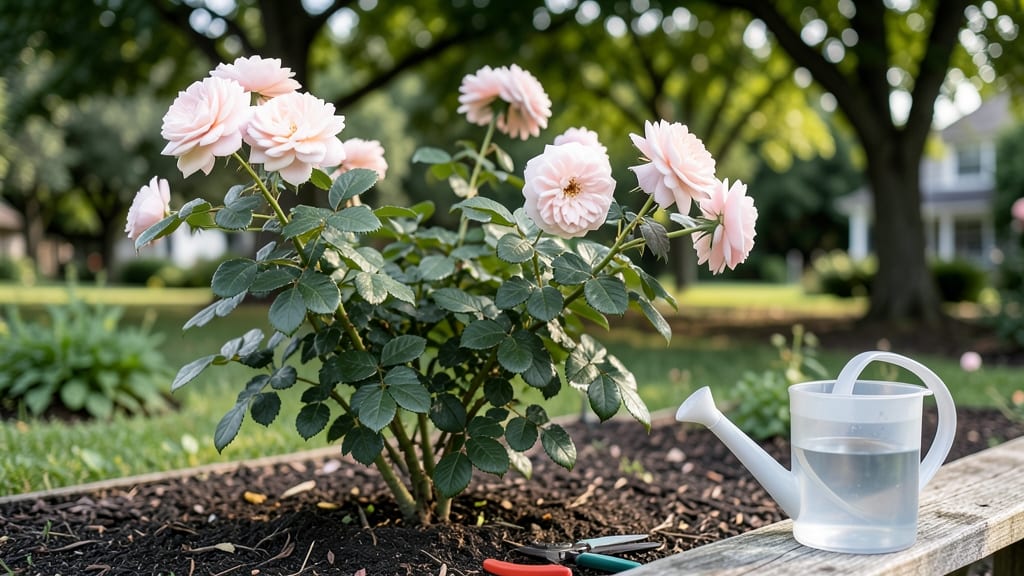
Planting 'Grandma’s Blessing' rose feels like bringing back a piece of your childhood—its velvety petals and intoxicating fragrance are legendary. 🌹 This heirloom rose thrives with minimal fuss, producing clusters of blooms from spring through frost without needing heavy pruning.
The secret lies in its natural resilience and love for sunlight, making it perfect for both beginner gardeners and those who want low-maintenance beauty.
Start with well-draining soil and a spot that gets at least 6-8 hours of sunlight daily. Space plants 3-4 feet apart to allow airflow, which prevents disease and encourages more blooms.
Water deeply once a week, letting the top 2 inches of soil dry out between waterings—this keeps roots strong without drowning them. Mulch around the base to retain moisture and protect roots from temperature swings.
What makes this rose truly special is its ability to bloom continuously with just a light trim after each flush of flowers. Simply snip spent blooms down to the first healthy leaf, and the plant will reward you with another round of fragrant blooms.
The foliage stays lush and disease-resistant when given proper airflow, and the scent? Unmatched—like stepping into a grandma’s garden on a summer afternoon.
Whether you're filling a trellis, lining a fence, or adding height to a border, 'Grandma’s Blessing' delivers effortless elegance. It’s the rose that grows with you—beginner-friendly yet sophisticated enough to impress even seasoned gardeners. Ready to bring a touch of nostalgia (and fragrance) to your garden?
📚 In This Guide
- What you need
- Instructions
- Tips and common mistakes
- Wrapping up and next steps
What you need
- ● Rose Bush: A healthy Rosa ‘Grandma’s Blessing’ plant (bare-root or potted). Choose a reputable nursery for disease-resistant varieties.
- ● Well-draining soil: Mix 2 parts garden soil, 1 part compost, and 1 part perlite or coarse sand for optimal drainage.
- ● Organic fertilizer: A balanced 10-10-10 or rose-specific fertilizer (follow package instructions for application rates).
- ● Mulch: 2-3 inches of organic mulch (e.g., shredded bark or wood chips) to retain moisture and suppress weeds.
- ● Watering can or hose with a gentle nozzle: For deep, consistent watering (avoid overhead sprinklers to prevent fungal diseases).
- ● Garden trowel or shovel: For planting and soil amendments.
- ● Pruning shears: Sharp, sterilized shears (disinfect with rubbing alcohol between cuts).
- ● Garden gloves: To protect hands from thorns and soil.
- ○ Stakes or trellis: (Optional but recommended) For support—choose 5-6 foot tall stakes or a decorative trellis.
- ○ pH testing kit: (Optional) To ensure soil pH is between 6.0-6.5 (roses thrive in slightly acidic soil).
- ● Sunlight: A location with at least 6-8 hours of direct sunlight daily.
- ● Space: Allow 3-4 feet of diameter around the plant for airflow and growth.
- ● Patience: Roses take time—expect blooms within 1-2 years of planting!
How to grow grandma's Blessing roses for continuous fragrance
Here’s the method I’ve used to coax these legendary roses into blooming nonstop—no pruning required.
🌱 Step 1: Select the Perfect Planting Location
Grandma’s Blessing roses thrive in full sun—at least 6-8 hours daily—but they’ll tolerate morning sun with afternoon shade in hotter climates. I always plant mine where the southeast corner of the yard gets gentle morning light and afternoon breeze, which prevents fungal issues. The soil should drain well but retain moisture; amending with compost improves structure without compacting.
Dig a hole twice as wide as the root ball but only as deep as the container’s base. Loosen the roots gently if they’re circling—this encourages outward growth. The graft union (a slight bump near the base) should sit 1-2 inches above soil level to prevent rot. Backfill with native soil mixed with 1 part compost to avoid nutrient shock.
☀️ Step 2: Water Deeply and Mulch for Year-Round Blooms
Water deeply once a week (about 1-1.5 gallons per plant) until the soil feels moist 6 inches down. These roses hate soggy roots but won’t survive drought stress. I set a drip irrigation line at the base to deliver consistent moisture without wetting the foliage—this is key to preventing black spot. Water in the early morning to let leaves dry before evening humidity sets in.
Spread 2-3 inches of mulch (wood chips or straw) around the base, keeping it 2 inches away from the stem. Mulch conserves moisture, regulates soil temperature, and deters weeds. Refresh it annually in late winter to maintain protection. The secret to year-round blooms? Never let the soil dry out completely—even in winter, a light watering keeps roots active.
✂️ Step 3: Feed Lightly for Fragrance Over Quantity
Grandma’s Blessing roses respond best to balanced, slow-release fertilizer (10-10-10 or 20-20-20) applied once in early spring and again in mid-summer. I avoid high-nitrogen formulas—they produce lush foliage but fewer blooms. Instead, I mix 1 tablespoon of fertilizer into the top 2 inches of soil around the plant, then water deeply to activate it.
For extra fragrance, I top-dress with 1 cup of compost in late summer and a handful of bone meal (for phosphorus) in early spring. The goal is strong roots and moderate growth, not rapid shoots. You’ll know it’s working when the blooms stay dense and clustered rather than sparse and leggy.
🪴 Step 4: Protect Without Pruning (The Real Secret)
These roses hate aggressive pruning—it stresses the plant and reduces blooms. Instead, I remove only dead or crossing branches in late winter using sterilized shears. Cut just above an outward-facing bud at a 45-degree angle to encourage airflow. Never cut into old wood; Grandma’s Blessing blooms on new growth, so pruning too late in the season limits next year’s flowers.
For winter hardiness, I wrap the canes loosely with burlap and pile mulch 4-6 inches deep around the base. The key is protection, not suffocation—leave space for air circulation. In Zone 6 and colder, I add a lightweight frost blanket over the plant in December and remove it in early March as new growth appears.
🌿 Step 5: Deadhead Strategically for Nonstop Blooms
Here’s where most gardeners go wrong: don’t deadhead every bloom. Instead, leave 2-3 spent blooms per stem to signal the plant to produce new buds. When you do deadhead, cut just above the first set of healthy leaves (about ½ inch below the bloom). This encourages lateral branching and more flowers.
I deadhead only the oldest blooms—those that’ve faded completely—once a week in spring and summer. In fall and winter, I leave everything alone. The plant’s natural rhythm will handle the rest. You’ll know you’re doing it right when new buds form within 2-3 weeks of deadheading.
Tips & tricks for growing grandma's Blessing roses
These insights will help you transform your garden into a fragrant paradise without the stress of pruning.
Sunlight Strategy: The 6-8 hours of daily sunlight is non-negotiable for these roses, but I've found that positioning them in the southeast corner creates a microclimate with morning sun and afternoon breeze. This combination prevents fungal issues that plague roses in hot, humid afternoons. If your climate gets extremely hot, consider a 50% shade cloth during peak summer hours to protect the blooms while still allowing enough light for photosynthesis.
Soil Science: When planting, the graft union should sit 1-2 inches above soil level—this prevents rot from sitting too low. I always mix native soil with 1 part compost to avoid nutrient shock, but here's the secret: use a slow-release organic fertilizer like worm castings mixed into the backfill. This provides immediate nutrients while improving soil structure without overwhelming the roots. The key is to create a well-draining yet moisture-retentive environment that mimics the roses' natural habitat.
Watering Wisdom: The 1-1.5 gallons per week might seem like a lot, but these roses are thirsty for fragrance. I've learned that morning watering is critical—it gives leaves time to dry before evening humidity sets in, preventing black spot. For a foolproof system, install a drip irrigation line at the base with emitters that deliver water slowly over 30-45 minutes. This mimics natural rainfall patterns and ensures even moisture distribution without wetting the foliage.
Fertilizer Finesse: The balanced 10-10-10 fertilizer applied in early spring and mid-summer creates the perfect foundation, but I've discovered that adding a handful of bone meal in early spring boosts phosphorus for stronger roots and more fragrant blooms. The secret is to work it into the top 2 inches of soil around the plant's drip line, not directly at the stem. This encourages outward growth rather than upward shoots that don't produce flowers.
Pro Tips for Grandma'S Blessing Rose
- These insights will help you transform your garden into a fragrant paradise without the stress of pruning.
- Sunlight Strategy: The 6-8 hours of daily sunlight is non-negotiable for these roses, but I've found that positioning them in the southeast corner creates a microclimate with morning sun and afternoon breeze.
- Soil Science: When planting, the graft union should sit 1-2 inches above soil level—this prevents rot from sitting too low.
Frequently asked questions
about the Grandma’s Blessing Rose—because every gardener deserves a little clarity! Here are answers to the most common questions to help you grow this fragrant, low-maintenance beauty with confidence.How fast does the Grandma’s Blessing Rose grow?
The Grandma’s Blessing Rose is a fast grower, especially in warm climates. Expect 12–24 inches of new growth per year, with some vines reaching 6–10 feet in just a few seasons. In cooler areas, growth slows but remains steady. Patience pays off—its scent and blooms are worth the wait!
When is the best time to plant it?
Plant your Grandma’s Blessing Rose in early spring (after the last frost) or fall (6–8 weeks before the first frost). This gives roots time to establish before extreme temperatures. Avoid summer planting—heat stress can stunt growth. Pro tip: Water deeply after planting to reduce transplant shock!
Does it really bloom year-round without pruning?
Yes! This rose thrives on minimal pruning and rewards you with near-continuous blooms when given 6+ hours of sunlight and well-draining soil. Light trimming (removing dead or crossing branches) keeps it tidy, but no aggressive pruning is needed. The secret? Regular watering and a balanced fertilizer (like 10-10-10) every 4–6 weeks.
What pests or diseases should I watch for?
The Grandma’s Blessing Rose is disease-resistant, but pests like aphids, spider mites, or rose slugs may still visit. Neem oil or insecticidal soap works wonders for mild infestations. For fungal issues (rare), improve airflow and avoid overhead watering. Healthy soil = happy rose!
Can I grow it in containers or small gardens?
This rose adapts well to containers (15+ gallons) or small spaces, as long as the pot has drainage holes. Use a lightweight potting mix and a trellis for vertical growth. Just ensure it gets enough sunlight—even in pots, 6+ hours daily is ideal. Perfect for patios or balconies!
Bonus Tip:
Want even more blooms? After each flush of flowers fades, give it a light trim to encourage new growth. And if you love its scent, harvest blooms early in the morning for the strongest fragrance!
Wrapping up and next steps
Incorporating a Grandma’s Blessing Rose into your garden is like inviting a burst of timeless beauty and low-maintenance charm into your life. 🌸 These fragrant vines thrive with minimal effort, offering year-round blooms and a touch of nostalgia—just like a handwritten letter from your grandma.
Whether you're a seasoned gardener or a beginner, this resilient plant is the perfect addition to brighten up patios, trellises, or even cozy corners of your home.
Ready to bloom with confidence? Start by planting your own Grandma’s Blessing Rose this season—grab your supplies, follow the steps, and watch your garden transform into a fragrant haven. Share your progress with fellow plant lovers, and don’t forget to tag us in your blooming masterpieces! 🌿✨