
Shrubs
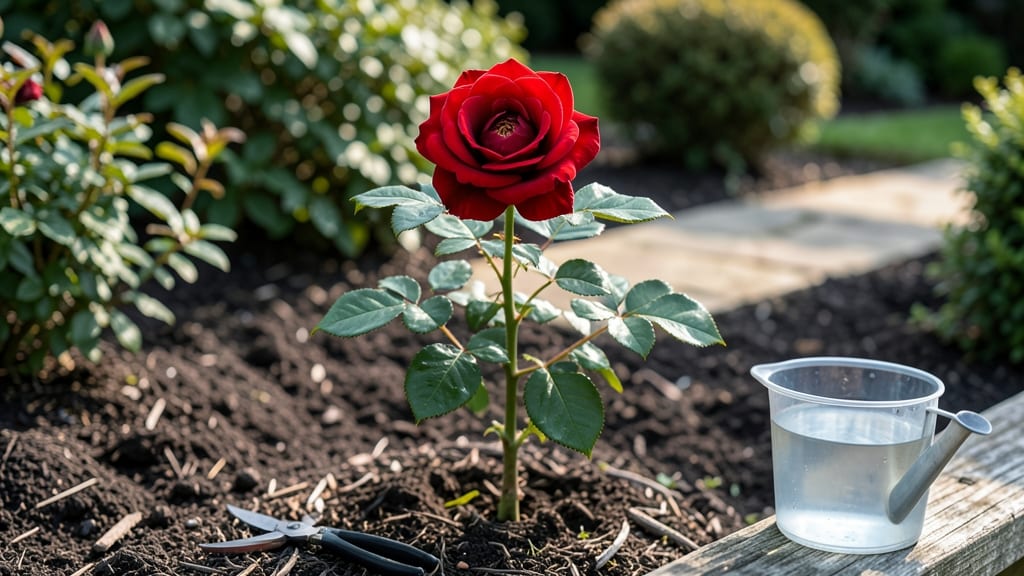
The Great Century rose delivers year-round fragrance with blooms so rich they make your garden smell like a Parisian bouquet—without the fuss of constant care. 🌹 I’ve grown this hybrid tea rose for years, and its disease-resistant nature and large, velvety blooms make it the perfect low-maintenance showstopper for any yard.
Plant it in well-draining soil with full sun (6+ hours daily) and space bushes 3-4 feet apart to give roots room to breathe.
The key to its longevity? Pruning in late winter to encourage new growth and watering deeply but infrequently—think 1-2 inches per week—to keep roots strong without inviting mildew. You’ll love the continuous blooms from spring through fall, with occasional winter flowers if your climate stays mild.
The fragrance is spicy-sweet, lingering long after you’ve passed by, and its disease resistance means fewer chemical sprays and more time enjoying the view. For black spot (the bane of roses), spray with neem oil at the first sign of spots and remove infected leaves immediately.
Mulch around the base to retain moisture and deter pests—this rose rewards consistency, not perfection.
📚 In This Guide
- What you need
- Instructions
- Tips and common mistakes
- Wrapping up and next steps
What you need
- ● Great Century Rose Plant: 1 bare-root or potted rose (check for disease-free canes and lush buds).
- ● Well-draining soil mix: 50% native soil + 30% compost + 20% perlite or coarse sand (avoid clay-heavy soil!).
- ● Organic fertilizer: 1 lb of rose-specific fertilizer (e.g., 10-10-10 NPK) or composted manure.
- ● Mulch: 2–3 inches of wood chips or straw to retain moisture and suppress weeds.
- ● Support system: 1 sturdy 5–6 ft rose trellis or cage (galvanized metal or bamboo).
- ● Hand trowel (for planting) + pruning shears (sharp, sterilized with rubbing alcohol).
- ● Garden gloves (heavy-duty to protect from thorns).
- ○ Watering can (2–3 gallon capacity) or drip irrigation kit (optional but ideal).
- ● pH testing kit (aim for 6.0–6.5—roses are finicky about acidity!).
- ● Sunlight access: Full sun (6+ hours/day)—no compromises!
- ● Rose food tablets (slow-release nutrients for extra blooms).
- ● Epsom salt (1 tbsp/month in water to boost magnesium).
- ● Neem oil spray (preventative for pests like aphids).
- ● Decorative stones (to enhance garden aesthetics around the base).
Step-by-step instructions for planting and caring for a Great Century rose
This classic hybrid tea rose thrives with minimal fuss—just follow these steps for lush, fragrant blooms year after year.
🌱 Step 1: Select the Perfect Planting Spot
The Great Century rose demands full sun—at least 6 hours of direct sunlight daily—to develop its signature velvety blooms and intoxicating fragrance. I always choose a location with morning sun and afternoon shade in hot climates to prevent leaf scorch, which weakens the plant over time. Avoid low-lying areas where cold air settles in winter, as this rose is hardy only to USDA Zone 6 and needs winter protection.
Test your spot by observing how sunlight moves across the area over a week. If the ground stays dry and warm, it’s ideal. Amend the soil with compost to improve drainage—this rose hates soggy roots. The first year, I dig in 3-4 inches of organic matter to create a nutrient-rich bed that supports strong root development.
🪴 Step 2: Plant at the Right Depth and Stake for Support
Dig a hole twice as wide as the root ball but only as deep—planting too deep suffocates the graft union, while too shallow leaves roots exposed. The graft union (the bump near the base of the stem) should sit 1-2 inches above soil level. This ensures the plant establishes a strong root system without rotting.
Gently loosen the roots if they’re circling and place the rose in the hole, backfilling with native soil mixed with compost. Water deeply to settle the soil, then install a 5-6 foot stake at a 45-degree angle, tying the main stem loosely with soft plant ties. The Great Century grows 3-5 feet tall, so sturdy support prevents wind damage and keeps blooms upright for easier enjoyment.
☀️ Step 3: Water Deeply and Mulch for Retention
Water once a week for the first month, soaking the soil to 12 inches deep—this encourages deep root growth. After establishment, water every 5-7 days during dry spells, checking moisture by sticking your finger 2 inches into the soil. If it feels dry, water again. Overwatering is the fastest way to invite fungal diseases like black spot, so always water at the base, not overhead.
Apply 2-3 inches of mulch (like shredded bark or pine straw) around the base, keeping it 3 inches away from the stem to prevent rot. Mulch locks in moisture, regulates soil temperature, and suppresses weeds—critical for roses, which compete poorly with invasive plants. Refresh the mulch annually in early spring.
✂️ Step 4: Prune for Shape and Blooms
Prune in early spring (just as new growth begins) to remove dead, crossing, or weak branches. Cut just above an outward-facing bud, using clean, sharp shears to avoid tearing bark. The Great Century blooms on new wood, so aggressive pruning isn’t needed—just shape it to open the center for airflow and sunlight penetration.
Deadhead spent blooms weekly to redirect energy into new flowers. I also trim back any leggy growth that’s lost its fragrance, as this encourages bushier, more fragrant growth. Avoid heavy summer pruning—this stresses the plant and reduces fall blooms. A light trim after the first flush of flowers keeps it tidy without sacrificing productivity.
🌿 Step 5: Feed and Protect for Year-Round Health
Fertilize monthly from spring to early fall with a balanced rose fertilizer (10-10-10 or similar). I mix in half the recommended dose of a slow-release organic fertilizer at planting, then switch to liquid feeds for the rest of the season. Stop fertilizing in late summer to harden off the plant for winter.
In fall, apply a 2-3 inch layer of mulch and wrap the base with burlap if your zone drops below 20°F. The Great Century is semi-hardy, but young plants or harsh winters need extra insulation. Remove the wrap in early spring once new growth appears—this prevents moisture buildup that invites disease.
Tips & tricks for perfect Great Century rose care
These tried-and-true strategies will help you coax the most stunning blooms from your Great Century rose with minimal effort.
Sunlight Strategy: While the instructions call for at least 6 hours of direct sunlight daily, I've found that morning sun paired with afternoon shade in hot climates creates the ideal balance. The afternoon shade prevents leaf scorch, which can weaken the plant over time. If you're in a particularly sunny area, consider using a shade cloth during peak afternoon hours—this protects the delicate foliage while still allowing plenty of light for those signature velvety blooms.
Soil Preparation: The first year's 3-4 inches of organic matter is non-negotiable for establishing strong roots. I recommend using a mix of compost and well-aged manure—this creates a nutrient-rich environment that supports vigorous growth. For the subsequent years, top-dress with an additional 1-2 inches of compost annually in early spring. This gradual enrichment keeps the soil fertile without overwhelming the plant's root system.
Pruning Precision: When pruning in early spring, focus on creating an open center that allows sunlight and airflow to reach all parts of the plant. Look for branches that cross each other or grow inward—they compete for resources and create dense areas where diseases can fester. The key is to cut just above an outward-facing bud, which ensures new growth will continue outward, maintaining the plant's natural shape and encouraging more abundant blooms.
Winter Protection: The 20°F threshold for winter wrapping is crucial for protecting your Great Century rose. I've learned this the hard way—after forgetting to wrap one winter, I lost a young plant to frost damage. Use a breathable burlap wrap rather than plastic, which can trap moisture and invite fungal diseases. In particularly harsh winters, consider adding a layer of straw or leaves over the mulch for extra insulation. Remember to remove the wrap in early spring once you see new growth emerging.
Pro Tips for Great Century Rose
- These tried-and-true strategies will help you coax the most stunning blooms from your Great Century rose with minimal effort.
- Sunlight Strategy: While the instructions call for at least 6 hours of direct sunlight daily, I've found that morning sun paired with afternoon shade in hot climates creates the ideal balance.
- Soil Preparation: The first year's 3-4 inches of organic matter is non-negotiable for establishing strong roots.
Frequently asked questions
about the Great Century Rose—because every gardener deserves clarity! Here are answers to the most common questions to help you grow this beauty with confidence.How often should I water a Great Century Rose?
The Great Century Rose thrives with 1–1.5 inches of water per week, whether from rain or irrigation. During the first year, keep soil consistently moist (but not soggy) to establish roots. Once established, it’s drought-tolerant but blooms best with regular watering. Morning watering is ideal to reduce fungal risks.
When and how should I prune this rose?
Prune your Great Century Rose in early spring (before new growth) or after blooming to shape it and encourage healthy growth. Remove dead, diseased, or crossing branches first, then cut back remaining canes by about 1/3 for a bushier form. Sterilize tools with rubbing alcohol to prevent disease spread.
What pests or diseases should I watch for?
This rose is resistant to many common issues, but keep an eye out for aphids, spider mites, or black spot fungus. For pests, spray with neem oil or insecticidal soap. If you spot black spot (dark spots on leaves), remove affected foliage and apply a fungicide to prevent spread.
Can I grow a Great Century Rose in a container?
Yes! While it’s a large shrub (6–8 feet tall/wide), you can grow it in a minimum 20-gallon container with well-draining soil and regular pruning to control size. Ensure the pot has drainage holes and place it in full sun (6+ hours/day). Fertilize monthly during growing season for best results.
Why aren’t my Great Century Roses blooming?
Blooming may be limited if the rose isn’t getting enough sunlight (6+ hours/day), water, or nutrients. Prune in late winter to remove old wood, and fertilize with a rose-specific feed in spring. Over-pruning or stress (like extreme heat/drought) can also reduce blooms—adjust care as needed!
Wrapping up and next steps
The Great Century Rose isn’t just a shrub—it’s a year-round celebration of beauty and effortless elegance. With its stunning blooms, intoxicating fragrance, and minimal care demands, it’s the perfect addition for gardeners who crave low stress and high rewards.
Whether you’re a seasoned green thumb or a beginner, this rose proves that dreamy gardens don’t require endless upkeep.
Ready to transform your outdoor space? Start by planting your Great Century Rose today—then sit back and enjoy the sweet, fragrant magic it brings to your world! 🌹✨