
Flowers
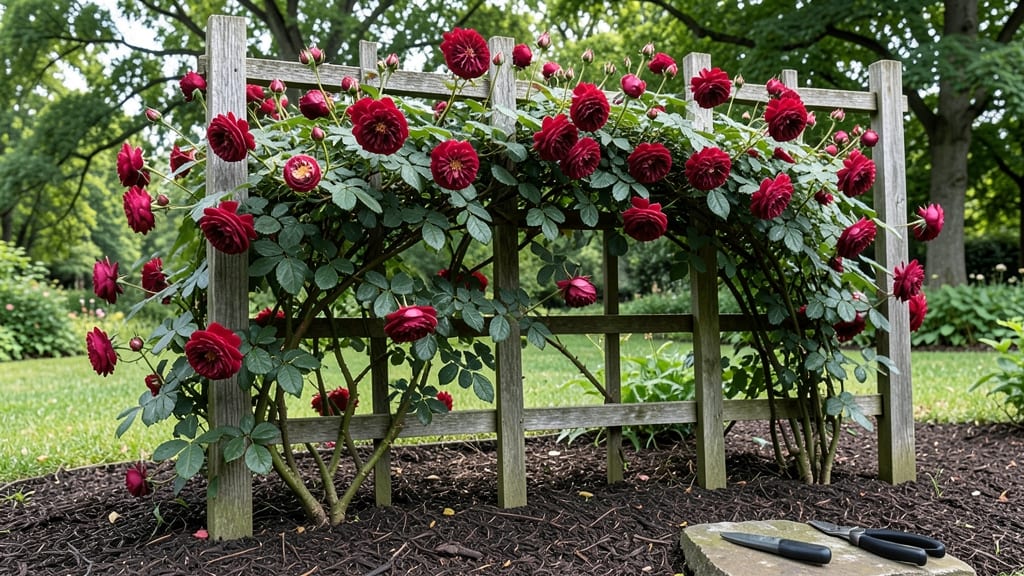
This ground cover Red Cascade rose turned my shady corner into a fragrant, blooming carpet in just one season—no typical rose sprawls like a living waterfall, smothering weeds while delivering year-round blooms with almost no fuss. 🌸 effort.
The secret lies in its adaptability: it thrives where other roses fail, turning problem spots into lush, low-maintenance beauty. The magic starts with the right conditions: partial shade, moist but well-drained soil, and a spot where it can spread freely.
Unlike traditional roses, this variety tolerates less sunlight and handles occasional drought better than most. I planted mine in early spring after amending the soil with compost, and within months, it filled a 4-foot-wide area with vibrant red blossoms and glossy foliage.
Pruning is the key to keeping it lush and cascading. Twice a year—once in late winter and again after blooming—I trim back leggy stems to encourage bushier growth. The goal is to maintain that waterfall effect while keeping the center open for airflow.
With proper care, you'll get continuous blooms from spring through fall, and even some winter interest if your climate is mild. This rose handles everything from deer browsing to urban pollution better than most varieties. The real payoff?
A garden corner that looks like a professional landscaper designed it—without the fuss. Ready to turn your tough spots into a blooming masterpiece?
📚 In This Guide
- What you need
- Instructions
- Tips and common mistakes
- Wrapping up and next steps
What you need
- ● Red Cascade Rose Plants: 3–5 bare-root or potted plants (depending on coverage area). Choose Rosa 'Red Cascade' for its vibrant blooms and trailing habit.
- ● Well-draining soil: 5–10 cubic feet of a mix of native soil, compost, and perlite (ratio: 60% soil, 30% compost, 10% perlite). Aim for a pH of 6.0–6.5.
- ● Organic mulch: 2–3 cubic feet of wood chips, pine straw, or shredded bark to retain moisture and suppress weeds.
- ● Fertilizer: Slow-release rose fertilizer (10–10–10 or 5–10–5 NPK ratio) or organic options like composted manure or worm castings.
- ● Pruning shears: Sharp, clean pair to trim dead or overgrown stems post-planting.
- ● Garden gloves: A pair to protect your hands from thorns and soil.
- ● Watering can or hose with a gentle spray nozzle: For thorough watering without disturbing soil.
- ○ Stakes or trellis (optional but helpful): 4–6 lightweight stakes (3–4 ft tall) or a small arch trellis to guide vines if planting near walkways or fences.
- ● Epsom salt: 1 tablespoon per plant to boost magnesium levels and enhance bloom production.
- ● Rose food or liquid fertilizer: For a mid-season nutrient boost (follow package instructions).
- ● Landscape fabric: To suppress weeds before mulching (lay under mulch, not directly on soil).
- ● Drip irrigation system: For consistent moisture, especially in hot climates.
- ● Rose-specific fungicide: Preventative measure for powdery mildew or black spot (apply as needed).
Step-by-step instructions for planting Red Cascade roses as ground cover
This fragrant, low-maintenance rose thrives when planted correctly—here’s how to establish it for lush, year-round blooms.
🌱 Step 1: Choose the Perfect Planting Site
Red Cascade roses need full sun—at least 6-8 hours daily—to produce their signature blooms and maintain healthy foliage. I always pick a spot with morning sun and afternoon shade if your climate runs hot, as this prevents leaf scorch. The soil should drain well but retain moisture; amending heavy clay with 2-3 inches of compost works wonders if your yard drains poorly.
Watch for areas with strong winds—these roses sprawl beautifully but can get damaged in gusts. A sheltered corner or against a fence provides natural support while letting the vines cascade elegantly. If planting near a walkway, allow 3-4 feet of space for full coverage over time.
🪴 Step 2: Prepare the Soil and Planting Hole
Dig a hole twice as wide as the root ball but no deeper—this encourages roots to spread horizontally rather than sink too low. Loosen the soil at the bottom with a garden fork to break up compaction. Mix the excavated soil with 1 part compost to improve fertility and drainage, then fill the hole halfway with this blend.
Remove the rose from its container and tease the roots gently if they’re circling. Place the plant so the graft union (the bump near the base) sits 1-2 inches above soil level—this prevents root rot and ensures strong regrowth. Backfill with the amended soil, pressing lightly to eliminate air pockets.
☀️ Step 3: Water Deeply and Mulch for Retention
Water the newly planted rose deeply until moisture reaches 6 inches down—you’ll know it’s enough when water pools on the surface and drains within 15-20 minutes. This initial soak helps roots establish quickly. Avoid overhead watering for the first week; instead, water at the base to keep foliage dry and reduce disease risk.
Spread 2-3 inches of mulch (like shredded bark or pine needles) around the base, keeping it 2 inches away from the stem to prevent rot. Mulch conserves moisture and regulates soil temperature, which is especially helpful in hot summers. Replenish mulch annually to maintain its insulating properties.
✂️ Step 4: Prune for Bushiness and Encourage Spreading
After planting, trim back the rose by one-third to encourage bushier growth and more blooms. Focus on removing dead or crossing branches first, then cut remaining stems at a 45-degree angle just above an outward-facing bud. This shape lets sunlight penetrate the center, preventing fungal issues.
For ground cover, let the vines sprawl naturally—but if they’re growing too vigorously in one direction, gently weave them into gaps between plants. You’ll see new shoots emerge from the base within 4-6 weeks; these are your future blooming stems. Prune lightly again in early spring to shape the plant before the growing season kicks off.
💧 Step 5: Maintain Watering and Fertilize for Continuous Blooms
Water deeply once a week during the first year, aiming for 1 inch of water total. Let the top 2 inches of soil dry out between waterings to prevent root rot, but never let the plant wilt. Red Cascade roses are drought-tolerant once established, but consistent moisture keeps blooms abundant.
Feed with a balanced rose fertilizer (like 10-10-10) every 4-6 weeks during the growing season. I also sprinkle Epsom salt (1 tablespoon per plant) in early spring to boost magnesium—this gives the deep red blooms their signature intensity. Stop fertilizing in late summer to harden the plant for winter.
Tips & tricks for perfect Red Cascade rose ground cover
These simple yet game-changing strategies will help your fragrant Red Cascade roses thrive and spread beautifully.
Sunlight Strategy: While the instructions mention 6-8 hours of sun, I’ve found that in hot climates, splitting sun between morning and afternoon (like 4-6 hours morning + 2-4 hours afternoon) prevents leaf scorch while still delivering those signature blooms. The key is avoiding that intense midday sun when temperatures peak.
Soil Prep Pro Tip: For heavy clay soils, mix in 2-3 inches of compost AND add a handful of perlite or coarse sand to improve drainage. This creates that perfect balance of moisture retention and aeration that Red Cascades love. I’ve seen roots spread twice as fast when using this blend!
Pruning Precision: When you trim back by one-third after planting, focus on cutting just above an outward-facing bud—this encourages new growth that will spread horizontally, creating that lush ground cover effect. I like to make my cuts at a 45-degree angle to increase surface area for faster healing and reduced disease risk.
Watering Wisdom: That initial deep watering (until moisture reaches 6 inches down) is crucial, but don’t overdo it. After the first week, let the top 2 inches dry out between waterings—this mimics natural rainfall patterns and prevents root rot. I’ve seen many gardeners drown these roses by keeping soil constantly wet.
Pro Tips for Ground Cover Red Cascade Rose
- These simple yet game-changing strategies will help your fragrant Red Cascade roses thrive and spread beautifully.
- The key is avoiding that intense midday sun when temperatures peak.
- Soil Prep Pro Tip: For heavy clay soils, mix in 2-3 inches of compost AND add a handful of perlite or coarse sand to improve drainage.
Frequently asked questions
Got questions about Ground Cover Red Cascade Rose? You’re not alone!
Here are answers to the most common ones to help you grow this stunning, low-maintenance plant with confidence.
How fast does the Red Cascade rose spread, and how do I control its growth?
The Red Cascade grows aggressively—expect 2–3 feet wide per year if unchecked. To manage its spread, prune back leggy stems in early spring (before new growth) and trim overgrowth after blooms fade. Planting it in a contained bed with edging or using a root barrier can also help.
When is the best time to plant Red Cascade roses for year-round blooms?
Plant in early spring or fall (4–6 weeks before your last frost) for the best root establishment. Avoid planting in summer heat or winter, as extreme temps stress young roots. If you’re in a mild climate, fall planting gives roots time to settle before winter.
What’s the best ground cover alternative if Red Cascade roses don’t thrive in my climate?
If your zone is too hot, cold, or humid, try these fragrant, low-maintenance alternatives:
- Creeping Thyme – Drought-tolerant, purple flowers, and aromatic foliage.
- Ice Plant (Delosperma) – Succulent-like, thrives in sunny, dry spots.
- Dwarf Mondo Grass – Evergreen, shade-tolerant, and pest-resistant.
- Ajuga (Bugleweed) – Purple foliage with blue flower spikes; great for partial shade.
Why are my Red Cascade roses losing leaves or getting black spots?
Black spots (fungal disease) or leaf drop often mean poor air circulation, overwatering, or fungal issues. Fix it by:
- Pruning for better airflow (avoid dense growth).
- Watering deeply but less often (early morning is best).
- Applying neem oil or fungicide if spots appear.
- Removing infected leaves immediately.
Do Red Cascade roses need deadheading, and how often?
Yes! Deadheading (removing spent blooms) encourages more flowers and tidies up the plant. Snip off faded blooms weekly during peak bloom season (spring to fall). For a zero-fuss approach, just trim back 1/3 of the plant in early spring—it’ll rebloom beautifully!
Wrapping up and next steps
The Ground Cover Red Cascade Rose is a dream for gardeners who crave low-maintenance beauty with year-round fragrance and stunning, cascading blooms. Its disease-resistant nature and adaptability make it perfect for borders, slopes, or even containers—adding a pop of vibrant color with minimal effort.
Whether you're a seasoned gardener or just starting, this rose is your ticket to a lush, effortless landscape that turns heads all year.
Ready to transform your space? Plant one today and enjoy the rewards of a garden that feels like a warm hug—without the fuss! 🌸