
Container Gardens
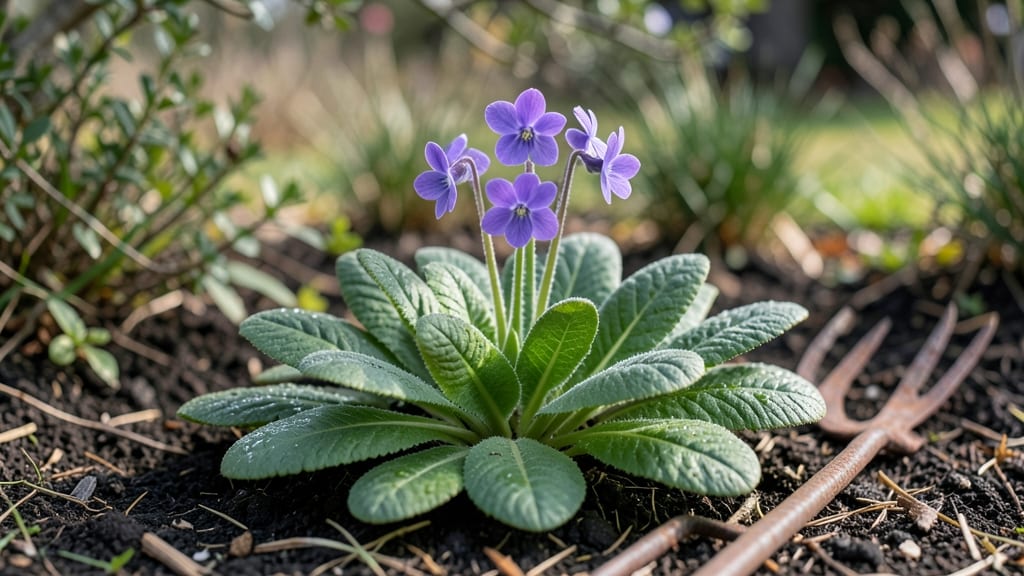
Growing primroses in pots is easier than you’d think—they bring year-round color without the fuss of pruning or deadheading, just the right mix and a little patience. 🌿 I've filled my patio with these cheerful bloomers, and they've never failed to deliver, even through winter.
The secret lies in matching the right soil, pot size, and light to their natural preferences. You'll need a 6-inch pot for each plant (or larger for clusters), well-draining potting mix, and a spot with morning sun and afternoon shade.
Primroses hate soggy roots, so ensure pots have drainage holes and water only when the top inch feels dry. Overwatering is the fastest way to invite root rot. By late spring, you'll see those classic bell-shaped blooms return, often three times a year with minimal effort.
The foliage stays lush even in winter, and the scent—lightly sweet—lingers when you brush past. These are the kind of plants that make container gardening feel effortless. For overwintering, move pots to a sheltered spot or under eaves where temps stay above 25°F.
If leaves yellow, it's usually overwatering; if they stretch leggy, they need more light. With these simple adjustments, your primroses will outlast store-bought flowers by seasons.
📚 In This Guide
- What you need
- Instructions
- Tips and common mistakes
- Wrapping up and next steps
What you need
- ● Primrose plants: 3–5 Primula varieties (e.g., Primula vulgaris, Primula denticulata, or Primula obconica) in 3–4 inch pots or bare-root.
- ● Containers: 1–2 pots per plant (or a single large container for grouping). Choose pots with drainage holes and a minimum 6–8 inch diameter per plant.
- ● Potting mix: 1 gallon of high-quality, well-draining peat-free or coco-based mix (amend with 20% perlite or orchid bark for aeration).
- ● Slow-release fertilizer: 1 tbsp of 10-10-10 or 20-20-20 granular fertilizer per pot.
- ● Watering can or spray bottle: With a rose nozzle for gentle watering.
- ○ Gloves: Optional but helpful for handling soil and plants.
- ● Mulch: ½ inch of orchid bark or shredded pine bark to retain moisture.
- ● Plant supports: Small pebbles or decorative stones for drainage and aesthetics.
- ● Fertilizer spikes: 2–3 spikes for slow-release nutrition (alternative to granular).
- ● Self-watering pot: For low-maintenance hydration (ideal for busy gardeners!).
Step-by-Step guide to growing primroses in pots
Here's how to create a vibrant, low-maintenance primrose display that blooms reliably year after year.
🪴 Step 1: Select the Right Containers and Drainage
Primroses thrive in pots with at least 6 inches of depth and multiple drainage holes—their roots despise soggy conditions. I recommend terracotta pots because they breathe and prevent moisture buildup better than plastic. For 4 primrose plants, choose containers that are 8-10 inches wide to give each plant 3-4 inches of root space. If using decorative pots without holes, place them in saucer trays with gravel to catch excess water.
Line the bottom of each pot with 1 inch of coarse gravel or perlite to create a reservoir for drainage. This prevents roots from sitting in water while still allowing moisture to reach them. Tap the pot gently after adding the gravel to settle it evenly—uneven layers can create air pockets that stunt root growth.
🌱 Step 2: Prepare Well-Draining Potting Mix
Primroses need moist but never waterlogged soil, so blend 2 parts peat-based potting mix with 1 part perlite or coarse sand. This ensures airflow while retaining enough moisture. For 4 pots, you’ll need about 2 gallons of mix per container. Avoid garden soil—it compacts and suffocates primrose roots.
Fill each pot to 1 inch below the rim with your mix, then press lightly to remove air pockets. The surface should feel firm but still crumbly. Water the mix thoroughly until it’s evenly damp but not soggy—you should see moisture bead at the surface but not pool. Let it drain completely before planting.
☀️ Step 3: Plant Primroses at the Right Depth and Spacing
Remove each primrose from its nursery pot and gently loosen the roots if they’re circling. Plant them so the top of the root ball sits just below the soil line—burying too deep suffocates the crown, while planting too high causes instability. For 4 primroses in an 8-inch pot, space them 3 inches apart in a loose cluster. This mimics their natural woodland growth habit.
Backfill with additional potting mix, pressing lightly around the base to eliminate air gaps. Water immediately after planting to settle the soil and remove any air pockets. Place the pots in a shaded spot for the first 48 hours to reduce transplant shock—primroses hate sudden exposure to bright light after handling.
💧 Step 4: Water and Feed for Consistent Blooms
Primroses prefer consistent moisture but hate soggy roots. Water when the top inch of soil feels dry—usually every 3-4 days in warm weather, but less frequently in cooler months. Use a watering can with a fine rose to avoid disturbing the soil. In winter, reduce watering to once a week unless your home is very dry.
Feed with a balanced liquid fertilizer (10-10-10) every 4 weeks during spring and summer—this is when they’re actively blooming. Dilute to half-strength to avoid burning delicate roots. In fall and winter, skip fertilizing unless you’re growing in a heated space; primroses naturally slow down and need less nutrition.
✂️ Step 5: Prune and Maintain for Year-Round Color
After the first flush of blooms fades, deadhead spent flowers by snipping the stem just above the next set of leaves. This encourages a second bloom cycle in 6-8 weeks. In late summer, trim back any leggy stems to half their length—this rejuvenates the plant and prevents flopping. Use clean, sharp scissors to avoid tearing the stems.
Rotate pots quarter-turn weekly so all sides get even light exposure. Primroses grown in morning sun with afternoon shade produce the most vibrant blooms. In winter, move pots to a bright, cool location (ideally 50-60°F)—a north-facing window works well. Avoid heat sources like radiators, which dry out the soil too quickly.
Tips & tricks for thriving potted primroses
Real talk: I've nursed more than my share of sad, droopy primroses back to health—here's what actually works after years of trial and error.
Drainage is Non-Negotiable: That 1-inch gravel layer in Step 1 isn't just about drainage—it's about creating a moisture buffer zone. I've seen roots rot within weeks when this step gets skipped. For extra insurance, add a layer of moss on top of the gravel before your potting mix. This creates an additional barrier against waterlogging while still allowing airflow to the roots. The key is preventing soggy conditions while maintaining moisture availability.
Soil Science Matters: When mixing your 2:1 peat-perlite blend in Step 2, sift the components through a fine mesh screen first. This eliminates any large clumps that could create air pockets where roots won't grow. I also add a handful of worm castings to each pot—they introduce beneficial microbes that help break down organic matter and improve nutrient uptake. The castings won't alter the soil structure but give your primroses a subtle growth boost.
Light Exposure Strategy: The 48-hour shade period after planting in Step 3 is crucial, but don't leave them in darkness. Place pots near a north-facing window where they'll receive indirect light. Primroses need bright but filtered light—think dappled sunlight through tree leaves. If you notice leaves turning yellow, they're getting too much direct sun. For winter care, supplement with a grow light 12 hours daily if natural light is insufficient, especially in northern climates.
Fertilizer Timing: That 4-week feeding schedule in Step 4 works, but I've found primroses respond better to a "little and often" approach. Instead of waiting 4 weeks, fertilize every 3 weeks during bloom season using half-strength solution. The extra frequency prevents nutrient deficiencies that can cause pale leaves or sparse blooms. In late summer, switch to a high-phosphorus fertilizer (like 5-10-10) to encourage fall blooming before reducing inputs for winter.
Pro Tips for Growing Primroses In Pots
- Real talk: I've nursed more than my share of sad, droopy primroses back to health—here's what actually works after years of trial and error.
- Drainage is Non-Negotiable: That 1-inch gravel layer in Step 1 isn't just about drainage—it's about creating a moisture buffer zone.
- Soil Science Matters: When mixing your 2:1 peat-perlite blend in Step 2, sift the components through a fine mesh screen first.
Frequently asked questions
Got questions about keeping your primroses thriving in pots? Here are some of the most common concerns—and their solutions!
Can I grow primroses in pots year-round, or do they need winter care?
Primroses can survive outdoors in pots year-round in USDA Zones 7-9, but in colder climates (Zones 5-6), move them to a sheltered spot or garage during winter. Use frost-proof containers, and wrap pots in burlap to protect roots. If temps drop below 20°F, bring them indoors near a bright window—just avoid drafts!
How often should I water potted primroses, especially in hot weather?
Water when the top inch of soil feels dry (usually every 2-3 days in summer). Pots dry out faster than garden beds, so check daily during heatwaves. Use room-temperature water and avoid soggy soil—primroses hate "wet feet." A self-watering pot or saucer with pebbles can help maintain moisture without overwatering.
Why are my primrose leaves turning yellow, and how do I fix it?
Yellow leaves often signal overwatering, poor drainage, or nutrient deficiency. First, check if the pot has drainage holes—if not, repot immediately. Let soil dry slightly between waterings, and fertilize lightly with a balanced 10-10-10 mix in spring. If yellowing persists, test soil pH (ideal: 6.0–7.0) and adjust with lime or sulfur if needed.
Are primroses in pots prone to pests? How do I prevent them?
Yes! Slugs, snails, and aphids love primroses. Prevent pests by keeping pots elevated (slugs hate climbing) and using copper tape around rims. For aphids, spray with soapy water (1 tsp mild soap per quart of water). Encourage beneficial insects like ladybugs by planting companion flowers like marigolds nearby.
Can I grow primroses from seed in pots, or should I buy established plants?
While possible, growing primroses from seed is tricky—they’re slow to germinate (4–8 weeks) and may not bloom the first year. For faster results, buy nursery-grown plants (bare-root or in pots) in early spring. If you’re adventurous, sow seeds in a shallow tray with moist, well-draining soil and keep them in indirect light until sprouts appear.
Wrapping up and next steps
Growing primroses in pots is a rewarding way to enjoy vibrant blooms with minimal fuss! With the right soil, container, and a little care, you can create a stunning year-round display that thrives in small spaces.
Whether you're a beginner or a seasoned gardener, these cheerful flowers bring joy and color effortlessly.
Now that you’re ready to get started, pick your favorite primrose varieties and give it a try! Watch your pots transform into a blooming paradise—one cheerful face at a time. 🌸