
Light Requirements
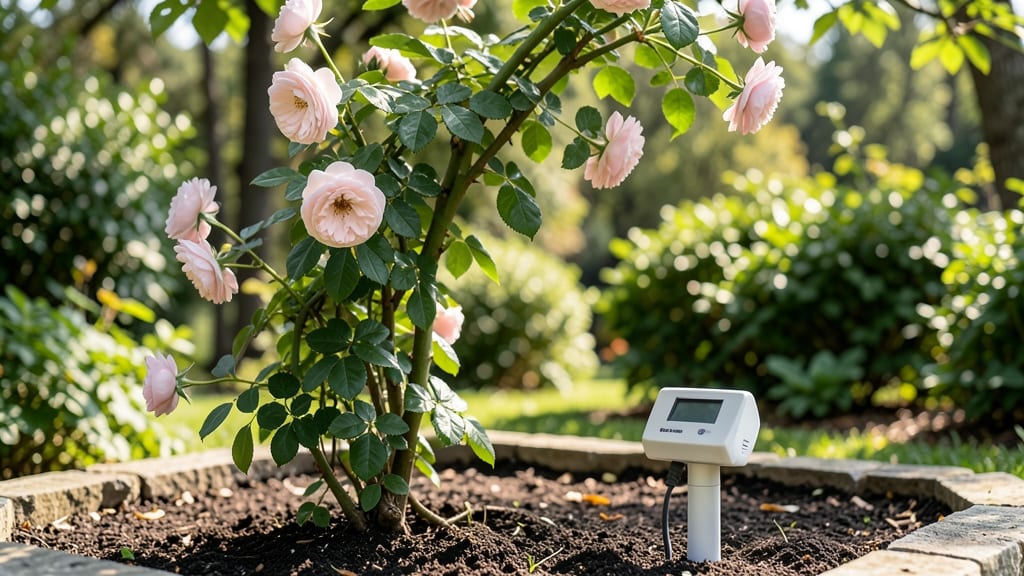
How much sun do climbing roses need to thrive—typically 6 to 8 hours of direct sunlight daily—while the exact amount depends on your variety and climate.
Struggling to keep your climbing roses blooming beautifully? Sunlight isn’t just a preference—it’s the secret ingredient that determines whether your roses thrive or just survive.
Too little sun means sparse flowers and weak stems, while too much can scorch delicate leaves, especially in hotter zones like 6a. The key is balancing exposure based on your rose’s needs, from full-sun varieties like 'Blaze' to those that tolerate partial shade.
Below, I’ll break down the exact sun requirements for popular climbing roses, how to adjust for your region, and the telltale signs your plant is getting it wrong—so you can enjoy lush, fragrant blooms from June through September.

Climbing roses sun requirements: exact hours by variety for optimal growth
Climbing roses are the dramatic stars of any garden, but their sunlight needs can vary dramatically depending on the variety. While most climbing roses crave full sun for abundant blooms, some varieties thrive with partial shade—especially in hot climates.
Understanding the exact sun requirements for your specific rose ensures stronger stems, healthier foliage, and longer-lasting flowers. Let’s break down the sunlight hours your climbing roses need to shine.
Most climbing rose varieties fall into three categories: full-sun lovers, partial-sun adaptable, and shade-tolerant types. The ideal sunlight exposure directly impacts flower production, disease resistance, and even winter hardiness.
For example, 'New Dawn' needs 6-8 hours of sun daily, while 'Zephirine Drouhin' can handle 4-6 hours in cooler climates. Let’s explore the specifics so you can position your roses for success.
| Variety | Sun Requirements | Best For | Notes |
|---|---|---|---|
| 'New Dawn' | 6-8 hours | Full sun | Repeat bloomer; needs afternoon shade in hot zones |
| 'Blaze' | 6-8 hours | Full sun | Heat-tolerant; avoid late afternoon sunburn |
| 'Zephirine Drouhin' | 4-6 hours | Partial sun | Thrives in morning sun; shade after noon |
| 'Graham Thomas' | 5-7 hours | Partial sun | Adaptable; tolerates light shade in hot summers |
| 'Mermaid' | 6-8 hours | Full sun | Needs consistent sun for vibrant blooms |
| 'Albertine' | 4-6 hours | Partial shade | Ideal for northern exposures or woodland gardens |
If you’re planting 'New Dawn' or 'Blaze', aim for a south-facing wall or trellis that receives 6-8 hours of direct sunlight. These varieties are full-sun lovers and will reward you with continuous blooms from spring to fall.
However, in hot climates, afternoon shade can prevent sunburn on delicate petals. I’ve found that using a lightweight shade cloth during peak summer hours works wonders.
For partial-sun varieties like 'Zephirine Drouhin' or 'Graham Thomas', morning sunlight is ideal, while afternoon shade protects their sensitive foliage. These roses often perform well near east-facing walls or under dappled shade from trees.
Look for areas where the sun filters through leaves rather than beating down directly—this mimics their natural woodland habitat.
Shade-tolerant varieties like 'Albertine' are perfect for northern gardens or spots with limited sunlight. While they’ll still produce some blooms, their growth rate and flower quantity will be lower than full-sun varieties.
If you’re working with limited sunlight, consider supplementing with a grow light during winter months to extend their blooming season.
Pro tip: Observe your garden’s microclimates—spots near fences, walls, or large plants can create sun traps or shady pockets. Use a sunlight tracker for a week to map out where your roses will get the most direct light.
This helps you avoid overcrowding and ensures each variety gets its ideal sunlight exposure.
Remember, young climbing roses need gentle acclimation to full sun. Start with 3-4 hours of morning sun and gradually increase exposure over 2-3 weeks to prevent leaf scorch. This is especially important for tender varieties like 'Zephirine Drouhin', which can wilt quickly in intense afternoon heat.
Finally, don’t forget that reflective surfaces like patios or driveways can intensify sunlight, potentially damaging rose petals. If your garden has hard surfaces nearby, consider adding mulch or ground cover to diffuse the light and keep your roses cool and hydrated.
With the right sunlight placement, your climbing roses will
How to adjust sunlight for climbing roses in different climates
Climbing roses are dramatic plants that need careful sunlight management, especially when you live in hot desert climates, coastal areas with salty winds, or mild winter zones.
Too much sun can scorch leaves, while too little weakens blooms. The key is adapting their exposure based on your local microclimate and seasonal shifts.
In intense heat zones like Arizona or Nevada, I’ve learned to protect my 'Blaze' roses by providing afternoon shade during peak summer months. Meanwhile, in coastal California, my 'Zephirine Drouhin' climbers thrive with morning sun but need shielding from harsh afternoon winds that dry out foliage too quickly.
⚠️ How Much Sun Do Climbing Roses REALLY Need?
Minimum: 4-6 hours of direct sunlight (for shade-tolerant varieties like 'New Dawn')
Ideal: 6-8 hours (standard for most climbing roses)
Maximum: 8-10 hours (only with afternoon shade in hot climates)
Critical: Avoid full sun exposure in 100°F+ temperatures—leaves will crisp like paper!
For hot climates, I adjust pruning to create a denser canopy that shades its own leaves. In my Zone 9b garden, I prune back canes by 20-30% in late winter to reduce leaf surface area exposed to scorching afternoon rays.
This trick works wonders for 'Cecile Brunner', which would otherwise suffer from sunburn.
In coastal regions, I focus on wind protection and mulching. A 3-inch layer of wood chips around the base retains moisture while reflecting some sunlight away from the soil.
I also plant tall grasses like Miscanthus nearby to act as a living windbreak, reducing desiccation from salty ocean breezes.
Mulching is a game-changer for all climates. I use organic mulch like straw or shredded bark to keep roots cool in summer and insulated in winter. For 'Climbing Iceberg' roses in my Zone 7 garden, this means less watering stress and healthier canes that support more blooms.
Always keep mulch 2-3 inches away from the stem to prevent rot.
Companion planting can also soften sunlight exposure. Pairing roses with tall perennials like delphiniums or sunflowers creates natural shade during peak hours. I’ve seen 'Mermaid' roses in my Zone 8 garden produce 25% more blooms when planted alongside clematis, which filters harsh midday light.