
Container Gardens
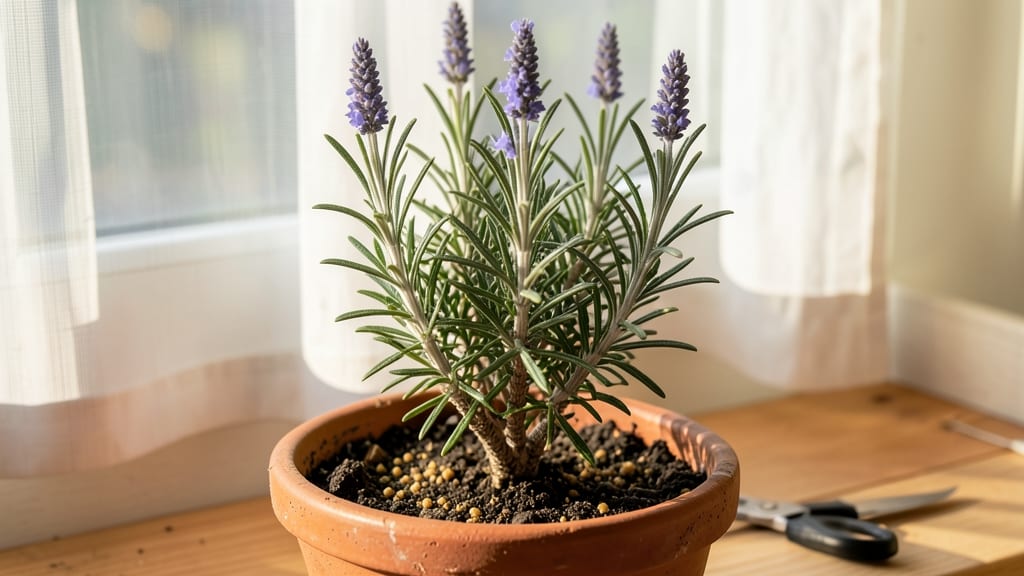
The ideal growing zone for rosemary spans USDA Hardiness Zones 7 through 10, where it can survive winters outdoors. In colder climates (Zones 5-6), grow it as a potted plant or bring it indoors before frost hits. Its ideal temperature range is 60°F to 70°F for optimal growth and flavor.
Rosemary originates from the Mediterranean, where mild winters and hot summers create its perfect growing conditions. 🌿 That's why it struggles in colder regions—temperatures below 20°F can kill the plant, while prolonged exposure to freezing air damages its woody stems.
Even in Zones 7-10, coastal areas with milder microclimates often provide better protection against unexpected cold snaps. For gardeners in colder zones, understanding these temperature thresholds helps determine whether to grow rosemary as a perennial or treat it as an annual that gets replanted each spring.
What makes rosemary so finicky is its sensitivity to both cold and dampness. Unlike hardy herbs like thyme, rosemary's native habitat lacks the kind of winter moisture that would rot its roots.
That's why container gardening works so well—pots allow you to move plants to sheltered locations during cold snaps or bring them indoors entirely.
I've found that even a sunny windowsill with 6-8 hours of light daily can keep rosemary thriving through winter, though its growth will naturally slow down during colder months.
💡 In This Article
- USDA Zones Where Rosemary Survives Year-Round
- Adapting Rosemary Growth to Cold Climates
USDA Zones where rosemary survives year-round
Rosemary's native Mediterranean climate—with warm, dry summers and mild winters—explains why it thrives in USDA Zones 7 through 10. These zones typically experience average minimum winter temperatures between 10°F and 30°F, which aligns with rosemary's tolerance.
The plant's woody stems can withstand brief dips to 20°F, but prolonged exposure to freezing temperatures (28°F or below) causes cellular damage, leading to browning and death. 🌡️ The key mechanism here is ice crystal formation within plant cells, which ruptures their membranes during freeze-thaw cycles.
Coastal areas within these zones often provide additional protection, thanks to the moderating influence of ocean currents. For example, San Diego (Zone 10) rarely drops below 25°F, while inland areas like Los Angeles (also Zone 10) may experience occasional frost.
This microclimate variation explains why rosemary grows more reliably near coastlines, where humidity levels stay lower and temperatures remain more stable. In contrast, inland regions with colder nights require extra care, such as using frost cloths or moving potted plants to sheltered locations.
The plant's cold sensitivity stems from its evolutionary adaptation to Mediterranean conditions, where winters rarely drop below freezing. Even a light frost (32°F) can cause leaf burn, while prolonged exposure to 15°F or lower will kill most varieties.
This is why rosemary's growth habit—woody, upright stems with needle-like leaves—differs from hardier herbs like oregano or thyme, which can tolerate colder temperatures by going dormant. The evergreen nature of rosemary means it doesn't have this survival mechanism, making it particularly vulnerable in colder climates.
For gardeners in Zones 7-10, the primary concern isn't just the average winter low but also the duration of cold snaps. A single night at 25°F may cause superficial damage, but consecutive nights below 20°F will kill the plant.
This is why mulching with 3-4 inches of straw or wood chips around the base helps insulate roots, maintaining soil temperatures above the critical 20°F threshold. In extreme cases, even Zone 10 rosemary may need temporary protection during unexpected freezes, such as those caused by Arctic air masses.
What most people don't realize is how rosemary's native soil conditions also play a role in its cold hardiness. Mediterranean soils are well-draining and often rocky, which prevents waterlogging—a major stressor for rosemary in colder climates.
Poor drainage combined with cold temperatures accelerates root rot, so even in Zones 7-10, planting rosemary in raised beds or containers with adequate drainage is a smart precaution. This mimics its natural habitat and reduces the risk of cold-related stress. 🌱
Another critical factor is rosemary's sensitivity to humidity. High moisture levels in winter can lead to fungal diseases like powdery mildew, which weakens the plant and makes it more susceptible to cold damage.
In Zones 7-10, coastal areas benefit from lower humidity, while inland regions may require additional airflow around plants to prevent these issues. This is why rosemary often grows better in containers, where you can control drainage and spacing more effectively.