
Container Gardens
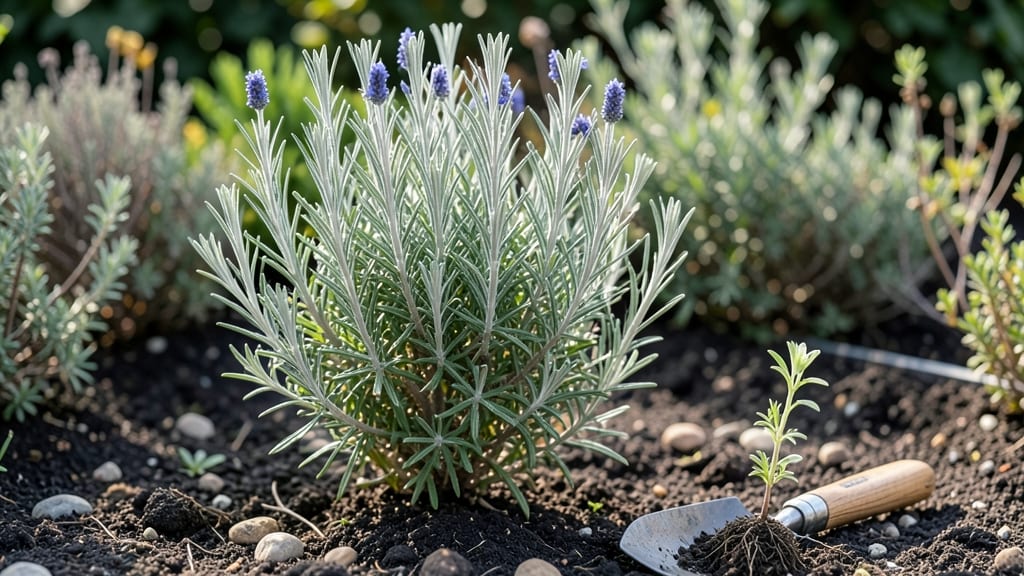
Planting rosemary outside turns your yard into a fragrant haven that smells like a Mediterranean vacation. 🌿 That first whiff of crushed leaves—piney, citrusy, and impossibly fresh—is what keeps me coming back every year.
The secret isn’t just sunlight (though it needs plenty); it’s the right soil, spacing, and a few tricks to keep it thriving through winter. Start with well-draining soil—rosemary hates soggy feet—and mix in sand or gravel if your yard stays damp.
Plant in full sun (6+ hours daily) and space bushes 2-3 feet apart so they don’t crowd. Dig a hole just deep enough to bury the roots without smothering the crown, then water deeply but let the soil dry between drinks.
Most people overwater, and that’s how you kill rosemary. By summer, you’ll have lush, silver-green foliage that repels pests and attracts pollinators. Pinch back new growth to encourage bushiness, and harvest sprigs regularly to keep the plant productive.
Even in winter, a sturdy rosemary plant stays fragrant and can handle light frosts with the right care. Works in containers too—just use a pot with drainage holes and move it indoors if your winters drop below 15°F. Here’s how to keep it alive through the seasons!
📚 In This Guide
- What you need
- Instructions
- Tips and common mistakes
- Wrapping up and next steps
What you need
- ● Rosemary plants: 1–3 healthy nursery-grown rosemary plants (choose Rosmarinus officinalis for culinary or ornamental varieties).
- ● Well-draining potting mix: 2–3 bags (10–15 lbs each) of cactus/succulent mix or a blend of 50% garden soil + 50% perlite/sand (rosemary hates soggy roots!).
- ● Containers (if using): 1–3 pots (12–18 inches deep) with drainage holes (terracotta or fabric pots work best).
- ○ Gravel or pebbles (1–2 inches) for the pot’s bottom layer (optional but highly recommended for drainage).
- ● Pruning shears: Sharp, clean pair (sterilize with rubbing alcohol before use).
- ● Watering can or hose with a gentle spray nozzle (avoid overhead watering to prevent fungal issues).
- ○ Mulch (optional but helpful): 1–2 bags of gravel, pine bark, or straw (keeps roots cool and reduces weeds).
- ● Sunlight: A full-sun spot (6+ hours of direct sunlight daily). Rosemary thrives in hot, dry conditions—think Mediterranean vibes! 🌞
- ● Climate: Hardy in USDA Zones 7–10. In colder zones (containers and bring indoors during frost.
- ● Soil pH: Slightly alkaline to neutral (6.0–7.0). Test your soil or amend with crushed limestone if needed.
- ● Spacing: 2–3 feet apart in garden beds; containers should have at least 12 inches of space between plants.
- ● 🔥 Skip the fertilizer: Rosemary prefers poor soil—over-fertilizing leads to floppy, less fragrant plants.
- ● 🌡️ Hardening off seedlings: If starting from seeds, gradually expose young plants to outdoor conditions for 1–2 weeks before planting.
- ● ✨ Companion plants: Pair rosemary with lavender, thyme, or sage for a low-maintenance, drought-resistant herb garden.
Step-by-step instructions for planting rosemary outside
Here’s how to plant rosemary for year-round fragrance and full-sun success—no guesswork involved.
🪴 Step 1: Pick the Perfect Spot and Prepare the Soil
Rosemary thrives in full sun—at least 6-8 hours daily—so choose a location that gets direct sunlight most of the day. If your climate is hotter than 85°F, afternoon shade helps prevent wilting. Avoid low-lying areas where cold air settles, as rosemary can’t handle frost.
Test your soil’s drainage by digging a 6-inch hole and filling it with water. If it doesn’t drain within 30 minutes, amend the area with 2-3 inches of coarse sand or gravel mixed into the top 12 inches of soil. Rosemary hates soggy roots, so well-draining soil is non-negotiable. A slightly alkaline soil (pH 6.0-7.0) works best, but rosemary is forgiving if your soil is neutral.
🌱 Step 2: Plant at the Right Depth and Spacing
Dig a hole twice as wide as the rosemary’s root ball but only as deep as the container it came in. Gently remove the plant from its pot and loosen any circling roots with your fingers—this encourages outward growth. Place the rosemary in the hole so the top of the root ball sits just below soil level (no deeper, or it’ll rot). Fill the hole with soil and press lightly to remove air pockets.
Space plants 3-4 feet apart for upright varieties or 2-3 feet apart for trailing types. Crowding leads to poor airflow, which invites fungal diseases. If planting in a container, use a pot at least 12 inches wide and deep with drainage holes—rosemary’s roots need room to stretch. Water deeply right after planting to settle the soil around the roots.
☀️ Step 3: Water Wisely and Protect New Growth
Water deeply once a week (or every 5-7 days) during the first 4-6 weeks to help roots establish. You’ll know it’s time when the top 2 inches of soil feel dry. After that, rosemary is drought-tolerant—overwatering is the real enemy. Let the soil dry out completely between waterings, especially in winter.
Mulch around the base with 1-2 inches of gravel or coarse bark to retain moisture and keep roots cool. Avoid organic mulch like wood chips, which can compact and suffocate roots. If your rosemary is young or in a hot climate, shade it with a light fabric cover for the first 2 weeks to reduce stress from direct sun.
✂️ Step 4: Prune for Shape and Encourage Bushiness
Prune rosemary once in early spring (before new growth starts) to shape the plant and encourage dense foliage. Use clean, sharp pruning shears to trim back one-third of the plant’s height, cutting just above a leaf node where new growth will sprout. Avoid cutting into old, woody stems—focus on fresh, green growth.
Harvest sprigs regularly throughout the growing season by snipping just above a set of leaves. This stimulates bushier growth and keeps the plant from getting leggy. Never harvest more than one-third of the plant at a time, or it’ll struggle to recover. In colder climates, prune lightly in late winter to remove dead or damaged branches before new growth begins.
⏰ Step 5: Overwinter for Year-Round Success
Rosemary is evergreen in USDA Zones 8-10, but it needs protection in colder areas. If you’re in Zone 7 or colder, mound 4-6 inches of mulch (gravel or bark) around the base to insulate roots. In Zone 6 or below, dig up potted rosemary and store it indoors near a sunny window, or cut it back severely and cover the plant with burlap or frost cloth for the winter.
Resist the urge to fertilize in winter—rosemary grows slowly then and doesn’t need extra nutrients. In early spring, lightly scratch in 1 tablespoon of 10-10-10 fertilizer around the base (optional) to support new growth. Watch for yellowing leaves in winter, which usually means the plant is too wet—adjust your watering immediately.
Tips & tricks for perfect outdoor rosemary planting
These simple tricks will help your rosemary thrive and fill your garden with fragrant beauty all year long.
Sunlight Strategy: If your rosemary gets less than the ideal 6-8 hours of sunlight, consider planting it near a south-facing wall or fence. This can extend its sunlight exposure by reflecting light back onto the plant. In extremely hot climates (above 85°F), providing afternoon shade with a sheer curtain can prevent leaf scorch while still allowing plenty of morning sun.
Soil Test Hack: Don't have a pH test kit? Try this simple trick: crush a handful of your soil and mix it with equal parts vinegar. If it fizzes, your soil is alkaline (good for rosemary). If not, try mixing in some crushed eggshells (which are alkaline) to help adjust the pH naturally. The 6-inch hole drainage test is critical—if water pools after 30 minutes, you absolutely need to amend that soil before planting.
Planting Depth Visual: When placing your rosemary in the hole, use the container's rim as your guide—the top of the root ball should sit just below where the container's soil line was. Think of it like planting a tree: the soil level should match what it was growing in before. This prevents stem rot while keeping the plant stable. For container plants, make sure the pot's drainage holes are clear before planting.
Winter Prep Tip: In colder zones (Zone 6 or below), don't wait until the first frost to protect your rosemary. Start monitoring your local weather forecast and prepare your overwintering plan 2-3 weeks ahead. This gives you time to gather frost cloth or move potted plants indoors before sudden cold snaps. The 4-6 inches of mulch around the base acts like a blanket—just make sure it's not touching the stems to prevent moisture buildup.
Pro Tips for Planting Rosemary Outside
- These simple tricks will help your rosemary thrive and fill your garden with fragrant beauty all year long.
- Sunlight Strategy: If your rosemary gets less than the ideal 6-8 hours of sunlight, consider planting it near a south-facing wall or fence.
- Soil Test Hack: Don't have a pH test kit?
Frequently asked questions
Got questions about growing rosemary outdoors? Here are some of the most common ones—plus quick answers to help you keep your fragrant herb thriving!
When is the best time to plant rosemary outside?
Plant rosemary in early spring (after the last frost) or early fall when temperatures are mild (50–75°F). Avoid planting in scorching summer heat or freezing winter months—rosemary hates soggy roots and cold snaps. If you’re in a warm climate, you can plant year-round!
Can rosemary survive winter outdoors?
In USDA Zones 8–10, rosemary often overwinters with minimal care. For colder zones (7 or below), mulch heavily or move potted plants to a sheltered spot. If frost hits, trim back damaged stems in spring—rosemary is tough and bounces back!
Is rosemary better in containers or in the ground?
Both work! Containers are ideal for small spaces, cold climates, or if you need to move it. For in-ground planting, choose well-draining soil (rosemary hates soggy feet!) and full sun. Containers let you control drainage better, making them a great choice for beginners.
Why is my rosemary turning yellow or brown?
Yellow leaves often mean overwatering (rosemary loves dry soil!). Brown tips? It could be underwatering, salt buildup, or pests (like spider mites). Trim affected areas, adjust watering, and check for pests. Prune regularly to encourage new growth and airflow.
What can I plant near rosemary for a fragrant garden?
Pair rosemary with lavender, thyme, oregano, or sage—they love the same sunny, dry conditions. Avoid heavy feeders like tomatoes or cabbage, which compete for nutrients. A herb spiral or Mediterranean-themed bed works beautifully!
Wrapping up and next steps
Planting rosemary outside is a rewarding way to enjoy its fragrant aroma and versatile uses year-round—whether as a culinary herb, natural air freshener, or pollinator magnet. With the right sunlight, soil, and care, this hardy perennial thrives even in cooler climates, turning your garden into a sensory haven.
Ready to take the next step? Grab your rosemary cuttings or seeds, prep your spot, and watch your garden transform into a fragrant oasis! 🌿✨