
Pruning
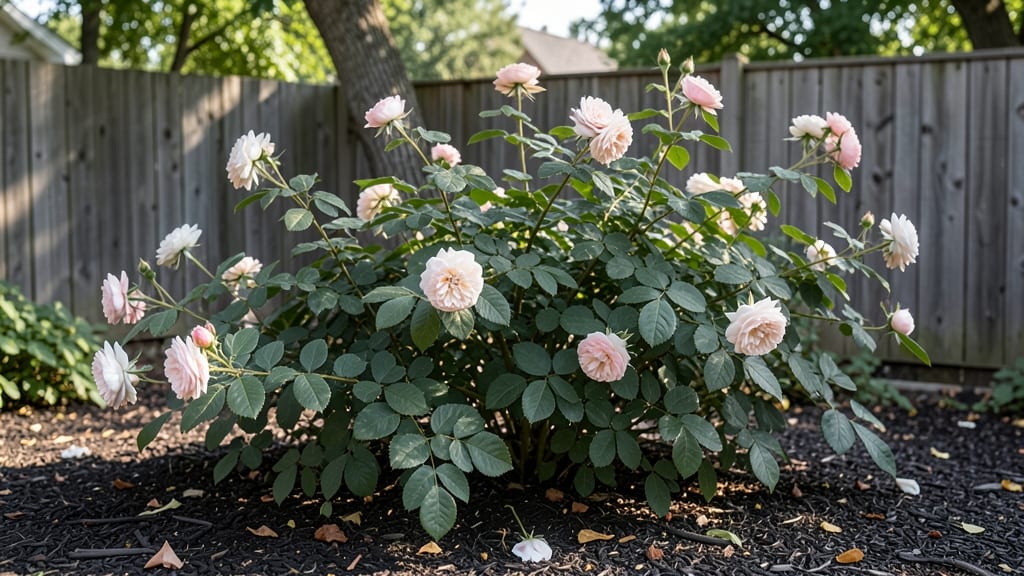
Gypsy rose bushes thrive when you prune them just three times a year—spring, summer, and fall. ✂️ I’ve pruned mine for years, and the difference is night and day: dense blooms, fewer pests, and branches that don’t flop over in storms.
This isn’t some complicated horticultural puzzle—it’s a straightforward routine that keeps your bush looking lush all season long.
The key is timing and technique. Start in late winter or early spring while the plant is still dormant, then trim again after major blooms fade and once more in late summer to shape the growth.
You’ll remove dead wood, encourage new shoots, and keep the fragrance—those velvety pink blooms—stronger than ever. Most people skip the summer cut, but that’s when you really shape the bush for next year’s beauty.
By the end of summer, your pruned gypsy rose will be a fragrant, thornless showstopper with fewer hips (those little fruits) cluttering the branches. The plant stays compact, blooms more heavily, and resists diseases like powdery mildew better than unpruned bushes.
It’s the difference between a bush that looks like it belongs in a cottage garden and one that’s just taking up space.
Works for both thorny and thornless varieties, and adapts to different climates—just adjust the timing slightly for cooler zones. Here’s how to do it right, step by step, without turning your bush into a tangled mess.
📚 In This Guide
- What you need
- Instructions
- Tips and common mistakes
- Wrapping up and next steps
What you need
- ● Pruning shears (bypass or anvil type) – Choose sharp, disease-free shears with 4- to 6-inch blades for clean cuts. 1 pair is all you need!
- ● Loppers (for thicker branches) – Opt for bypass loppers with a 6- to 8-inch cutting capacity for branches ½ to 1½ inches thick.
- ● Pruning saw (for stubborn stems) – A curved-tooth pruning saw works best for branches thicker than 1½ inches.
- ● Disinfectant (rubbing alcohol or bleach solution) – Keep your tools sterile to prevent spreading disease. Mix 1 part bleach to 9 parts water for a quick wipe-down.
- ● Gloves (cut-resistant & durable) – Protect your hands from thorns and scratches. Leather or heavy-duty garden gloves are ideal.
- ● Rake or broom – For clearing debris and fallen leaves afterward.
- ● Hand pruners with a by-pass blade – For precision trimming on smaller branches.
- ● Extension pole saw – If your bush is tall or thick, this saves you from climbing!
- ● Marking spray or flags – Helps identify branches to keep or remove before cutting.
- ● Compost bin or bag – For collecting pruned branches (great for mulch or compost!).
- ● Safety glasses – Protects your eyes from flying debris, especially when using a saw.
Step-by-Step guide to pruning your Gypsy Rose bush
Here's how I keep my Gypsy Rose bush thriving year-round with just three clean cuts.
✂️ Step 1: Early Spring Cleanup (Late February - Early March)
Start by removing all dead, damaged, or diseased branches first—they're the easiest to spot. Look for branches that are brown, brittle, or have blackened spots. Cut these back to healthy green tissue with sharp pruners, making your cuts at a 45-degree angle just above a leaf node or outward-facing bud.
Next, thin out any overcrowded branches to improve airflow. I aim to remove about 20-30% of the total growth in this first cut. This prevents fungal diseases and encourages stronger new growth. You'll know you're doing it right when you can see sunlight reaching the center of the bush—no more dark, shadowy interior.
✂️ Step 2: Mid-Summer Light Pruning (June - July)
During the growing season, I do a quick maintenance prune to shape the bush and encourage more blooms. Look for branches that are growing inward or crossing over others—these will rub against each other and create wounds. Cut these back to where they branch off from the main stem, always making clean cuts just above a bud.
Pinch back the tips of new growth that's getting too leggy. You'll see these as long, thin stems with small leaves spaced far apart. Cutting them back by about one-third encourages bushier growth with more flowers. Do this on a dry morning so the cuts have time to dry before evening, reducing disease risk.
✂️ Step 3: Late Fall Renewal (November)
After the first frost, but before hard freezes, give your Gypsy Rose bush one final prune. Remove any remaining dead wood and any branches that produced flowers this year—they're done for the season. Cut them back to the base or to a strong outward-facing bud. This is also when I do any major reshaping if the bush got too wild during the summer.
Don't be afraid to cut back about one-third of the total growth in this final prune. The Gypsy Rose bush is incredibly resilient and will bounce back beautifully in spring. You'll know you've pruned enough when the bush has an open, vase-like shape with plenty of room for new growth to emerge in spring.
⏰ Step 4: Winter Protection (Optional for Cold Climates)
If you live in a zone with harsh winters (below Zone 5), wrap the pruned bush with burlap or use a protective cover after the ground freezes. I like to mound 2-3 inches of mulch around the base to insulate the roots. This extra protection helps the bush survive winter so it can burst back into bloom next spring.
Leave any remaining leaves on the bush—they provide some natural insulation. You can remove them in early spring when new growth starts to appear. The key is to protect the structure while allowing the bush to breathe, so don't wrap it too tightly.
Tips & tricks for perfect Gypsy Rose bush pruning
These simple strategies will help you maintain your Gypsy Rose bush's health and beauty all year long.
Tool Preparation: Always sanitize your pruning tools with rubbing alcohol before you start. I learned this the hard way after a fungal infection spread through my bush from dirty shears. A quick wipe-down between cuts prevents disease transmission and keeps your tools sharp for cleaner cuts. Remember, a clean cut heals faster and looks more professional.
Timing Secret: The 20-30% thinning in Step 1 and one-third cuts in Steps 2 and 3 aren't arbitrary—they follow the plant's natural growth cycle. In early spring, you're removing winter damage while encouraging new growth. During summer, you're shaping the bush for better airflow and more flowers. In fall, you're preparing for dormancy. This strategic approach prevents over-pruning and keeps your bush thriving.
Visual Cues: When making your 45-degree cuts in Step 1, look for the outward-facing buds—they're the small bumps on the branch where new growth will emerge. Cut just above these buds, and you'll encourage your bush to grow outward rather than inward. This creates that beautiful, open vase shape that Gypsy Rose bushes are known for.
Seasonal Adjustments: If you're in a particularly wet summer, you might want to do your mid-summer pruning slightly earlier (May instead of June) to prevent fungal issues. The key is to prune when the bush is actively growing but before any major disease pressure builds up. Always check the weather forecast—pruning on a dry day helps prevent infections from spreading through fresh cuts.
Pro Tips for Gypsy Rose Bush
- These simple strategies will help you maintain your Gypsy Rose bush's health and beauty all year long.
- Tool Preparation: Always sanitize your pruning tools with rubbing alcohol before you start.
- Timing Secret: The 20-30% thinning in Step 1 and one-third cuts in Steps 2 and 3 aren't arbitrary—they follow the plant's natural growth cycle.
Frequently asked questions
Got questions about keeping your gypsy rose bush (or Rosa gymnocarpa) looking its best with strategic pruning? Here are answers to the most common queries—whether you're a newbie or a seasoned gardener!
When is the best time to prune a gypsy rose bush?
The ideal times are late winter/early spring (just before new growth starts) and light summer pruning to shape the bush. Avoid heavy pruning in fall—it can stimulate tender growth that won’t survive winter. For year-round beauty, focus on 3 strategic cuts as outlined in the article!
How much can I cut back my gypsy rose bush?
You can safely remove up to 1/3 of the bush’s height in one pruning session. For mature bushes, aim to open the center by cutting back older canes to encourage airflow and sunlight. Avoid over-pruning—gypsy roses are resilient but thrive with moderate cuts, not drastic ones.
What if my gypsy rose bush isn’t blooming after pruning?
Lack of blooms often means over-pruning or poor nutrition. Check for:
- Dead or diseased wood (remove it immediately).
- Balanced fertilizer (high in phosphorus for blooms).
- Sufficient sunlight (6+ hours daily).
Can I prune a gypsy rose bush in all climates?
Yes! Gypsy roses are hardy in USDA Zones 4–9, but pruning timing varies slightly:
- Cold climates (Zones 4–6): Wait until after the last frost to avoid damage.
- Mild climates (Zones 7–9): Prune in early spring or late winter for best results.
What’s a good alternative if I miss the pruning window?
Don’t stress! If you miss the late winter/early spring window, do a light shaping prune in summer (after blooming) to remove dead wood and encourage new growth. Just avoid heavy cuts—gypsy roses are forgiving, but consistency is key. Think of it as a refresh, not a reset!
Wrapping up and next steps
Mastering the art of Gypsy Rose bush pruning isn’t just about keeping your plant tidy—it’s about unlocking its full potential for year-round beauty and vibrant blooms. 🌸 By following the three strategic cuts (spring, summer, and post-flowering), you’ll encourage lush growth, healthier foliage, and stunning flowers that last.
Whether you’re a seasoned gardener or just starting, these techniques make maintenance effortless and rewarding.
Ready to transform your garden? Grab your pruners, mark your calendar, and give your Gypsy Rose bush the care it deserves! Start with this season’s cut, and watch your plant thrive—one snip at a time. 🌿✨