
Flowers
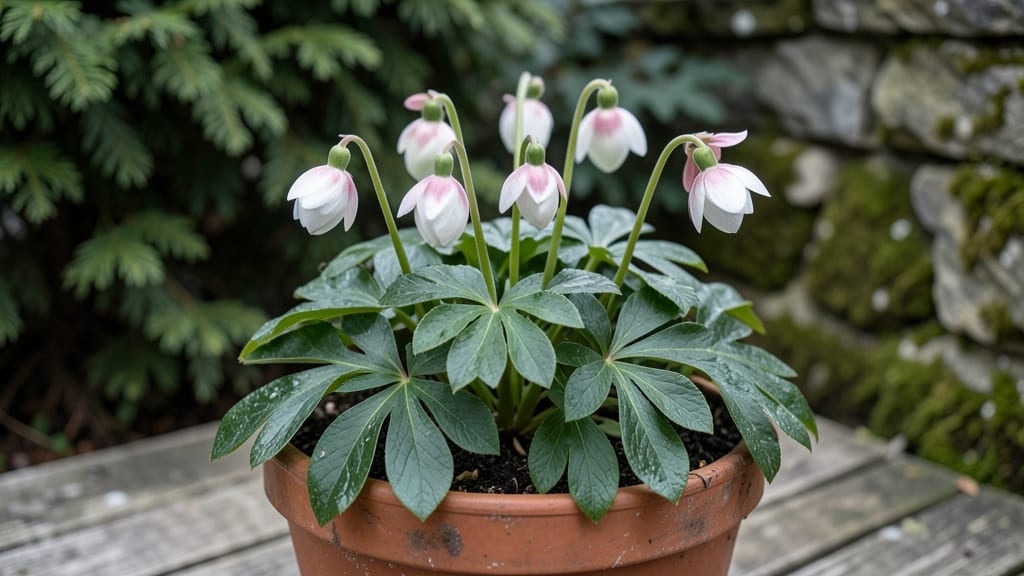
Your garden deserves winter beauty that refuses to fade—and Helleborus 'Ice N Roses Picotee' delivers with its frosty pink-and-white blooms that defy the cold. 🌿 This hellebore isn’t just tough; it’s a showstopper, with delicate picotee edges that catch the light like snowflakes on petals, making it perfect for containers that need year-round drama.
The magic lies in its versatility: plant it alone in a terracotta pot for a striking focal point, or pair it with evergreen ferns and dusty miller for a cool-toned winter border.
It thrives in partial shade, so even north-facing patios become a canvas for its ethereal charm—no summer wilting here. By spring, you’ll see fresh foliage emerging from the same roots, proving this plant is the ultimate low-maintenance diva. The blooms last for weeks, and the scent?
Subtly sweet, like a whisper of spring in the coldest months. Works in any climate zone where winter temperatures dip below 20°F, and adapts to both formal gardens and casual cottage-style containers. Let’s make your outdoor spaces shine all year!
📚 In This Guide
- What you need
- Instructions
- Tips and common mistakes
- Wrapping up and next steps
What you need
- ● Helleborus 'Ice N Roses Picotee' plants: 3–5 mature plants (or bare-root divisions) for a full, lush look in containers.
- ● Well-draining potting mix: 10–12 quarts (enough to fill your container 2/3 full). Opt for a blend with perlite or pumice (20–30% by volume) to prevent root rot.
- ● Container: A 12–18 inch diameter pot with drainage holes (terracotta or fabric pots work best).
- ● Slow-release fertilizer: 1–2 tbsp of balanced 10-10-10 or 5-10-5 (organic options like bone meal or composted manure are great too!).
- ● Mulch: 1–2 inches of orchid bark, shredded pine needles, or coarse gravel to retain moisture and regulate temperature.
- ● Gloves: Heavy-duty gardening gloves (helleborus has mildly irritating sap—protect your hands!).
- ● Trowel or small shovel: For planting and amending soil.
- ● Watering can or hose with a gentle spray nozzle: Helleborus prefers consistent moisture but hates soggy soil.
- ○ Pruners (sterilized): For trimming dead leaves or spent blooms (optional but helpful for tidiness).
- ● Partial shade location: 4–6 hours of dappled sunlight (morning sun + afternoon shade is ideal).
- ● Container cachet: Decorative stones, moss, or a saucer to elevate the pot for better drainage.
- ● Frost cloth or burlap wrap: For winter protection in USDA Zones 5–7 (if temps dip below 10°F).
- ● Epsom salt (magnesium sulfate): 1 tsp dissolved in water monthly for pink blush enhancement.
- ● Companion plants: Pair with heuchera, ferns, or dusty miller for a cohesive container garden.
Step-by-step guide to styling Helleborus 'Ice N Roses Picotee in year-round containers
Here's how to create a stunning, frost-resistant container display that blooms early and lasts all season.
🪴 Step 1: Select the Right Container and Drainage
Choose a 12-14 inch diameter container with drainage holes—Helleborus roots need room to spread but hate soggy feet. I prefer terracotta pots because they breathe and help regulate moisture. If using a cache pot, add a layer of broken pottery shards over the drainage hole to prevent soil from washing out.
For year-round planting, select a container with at least 6 inches of depth to accommodate the hellebore's deep root system. Place a 2-inch layer of coarse gravel or perlite at the bottom to improve drainage and prevent compaction. This ensures water flows freely and roots stay aerated.
🌱 Step 2: Layer Soil for Moisture Retention and Drainage
Fill the container with a mix of 50% high-quality potting soil and 50% well-aged compost. Helleborus 'Ice N Roses Picotee thrives in slightly acidic to neutral soil with good organic matter. I like to add a handful of orchid bark or leaf mold to improve drainage while retaining moisture.
Sift the soil mix to break up clumps and create a light, airy texture. Press it down gently to remove air pockets but avoid compacting it too tightly. The goal is a loose, crumbly medium that allows roots to penetrate easily. Leave about 1 inch of space at the top for watering.
☀️ Step 3: Plant Helleborus with Companion Plants for Season-Long Interest
Dig a hole in the center of the container about twice as wide as the hellebore's root ball and as deep as the pot it came in. Gently remove the hellebore from its nursery pot and loosen the roots if they're circling. Place the plant in the hole so the top of the root ball sits ½ inch below the soil line—this prevents rot from water pooling at the stem.
Add a handful of slow-release fertilizer around the roots and mix it into the soil. For year-round interest, plant 3-4 hellebores per container in a loose cluster, surrounded by evergreen ferns or heuchera for contrast. This creates a lush, layered look that stays attractive even when hellebores aren't blooming.
💧 Step 4: Water and Mulch for Frost Protection
Water the container thoroughly until water drains from the bottom. Helleborus 'Ice N Roses Picotee prefers consistently moist but not soggy soil. After watering, top the container with a 2-inch layer of shredded bark or pine needles to insulate roots during cold snaps. This mulch also slows moisture loss and keeps soil temperatures stable.
Place the container in a location with partial to full shade—hellebores appreciate dappled sunlight or morning sun. In winter, move containers to a sheltered spot if your climate experiences prolonged freezing temperatures below 10°F. A thick layer of mulch and a frost cloth will protect the plant through the coldest months.
⏰ Step 5: Maintain Through the Seasons
Water containers when the top 1 inch of soil feels dry, typically every 5-7 days in spring and fall, and less frequently in winter. Avoid overhead watering to prevent fungal diseases. In late summer, apply a balanced liquid fertilizer diluted to half strength to encourage new growth for next year's blooms.
Deadhead spent flowers by snipping the stems back to the first set of leaves. This redirects energy to root development and prepares the plant for next season's blooms. In late fall, add a thick layer of mulch (up to 3 inches) to protect roots from freezing temperatures. With proper care, your 'Ice N Roses Picotee' will reward you with delicate, frost-kissed blooms year after year.
Tips & tricks for perfect year-round helleborus containers
Creating a thriving winter display with Helleborus 'Ice N Roses Picotee' takes a few thoughtful details that make all the difference. Here's what I've learned after years of trial and error with these frost-loving beauties.
Container Selection Matters: While terracotta is my favorite, fiberglass or plastic containers with drainage holes also work well. The key is the 12-14 inch diameter—any smaller and roots get crowded, any larger and soil stays too wet. I've found that containers with built-in cache pots actually work better than standalone pots because they provide extra insulation during cold snaps. Just remember to add that 2-inch gravel layer at the bottom regardless of container type.
Soil Texture is Everything: That 50/50 mix of potting soil and compost is non-negotiable, but here's the secret: add a handful of perlite or coarse sand to that mix before planting. This creates tiny air pockets that prevent soil compaction—a common issue in containers. After sifting, gently press the soil down with your fingers (not a tool!) to remove air pockets while keeping it loose. Think "fluffy cake batter" rather than packed dirt.
Winter Protection Hack: When temperatures dip below 10°F, I wrap containers in burlap sacks and place them against a north-facing wall. This creates a microclimate that's 10-15°F warmer than open air. For extra insurance, I add a layer of straw mulch (cheaper than pine needles) on top of the existing 2-inch bark layer. The straw breaks down slowly, adding organic matter to the soil as it decomposes.
Companion Plant Placement: When arranging your 3-4 hellebores with evergreen ferns or heuchera, place the tallest companion plants toward the back (farthest from the container's center). This creates that "layered" look mentioned in the instructions. I like to tuck small cyclamen in the front gaps—they bloom in winter too and add pops of color when hellebores fade. Just be careful not to overcrowd; hellebores need room to spread their roots.
Pro Tips for Helleborus Ice N Roses Picotee
- Creating a thriving winter display with Helleborus 'Ice N Roses Picotee' takes a few thoughtful details that make all...
- Container Selection Matters: While terracotta is my favorite, fiberglass or plastic containers with drainage holes al...
- Soil Texture is Everything: That 50/50 mix of potting soil and compost is non-negotiable, but here's the secret: add ...
Frequently asked questions
Can 'Ice N Roses Picotee' survive harsh winters?
Helleborus is a winter warrior! This variety thrives in cold climates (USDA Zones 3–9) and often blooms through snow. Just ensure it’s planted in well-draining soil with partial shade—mulch lightly in extreme cold to protect roots.
How long does it take for 'Ice N Roses Picotee' to bloom after planting?
Patience pays off! Established plants may bloom as early as late fall (sometimes even winter), but newly planted hellebores can take 1–2 years to reach maturity. For faster results, buy nursery-grown specimens (1–2 years old) for immediate winter color.
What’s the difference between picotee edges and solid blooms?
Picotee edges (like on 'Ice N Roses') feature two-tone petals: a deep pink or burgundy center with white or pale pink trimmed edges. Solid blooms (e.g., 'Ice Cream') are uniformly colored. Picotee adds drama and contrast—perfect for containers or cottage gardens!
Why aren’t my hellebores blooming? Troubleshooting tips.
Common culprits:
- Too much sun: Hellebores prefer dappled shade (especially in hot climates).
- Over-fertilizing: They’re low-maintenance—skip spring/summer feeds.
- Crowded roots: Divide clumps every 3–4 years for better airflow.
- Drought stress: Keep soil consistently moist (but not soggy).
Are there hellebore alternatives for full-sun gardens?
If your space is bright and sunny, try:
- Helleborus 'Royal Heritage' (tolerates more sun than most).
- Lamium or Heuchera (shade-loving perennials with winter interest).
- Winter aconite (Eranthis hyemalis) (blooms early spring, sun-tolerant).
Wrapping up and next steps
Ready to bring frost-kissed beauty to your garden? The Helleborus 'Ice N Roses Picotee' is your ticket to year-round elegance—its delicate petals and hardy nature make it a standout in any container. With the right care and placement, you’ll enjoy its stunning blooms from late winter through spring, proving that winter’s chill can’t dim your garden’s allure.
🌸 Next steps: Gather your supplies, follow the planting tips, and watch your containers transform into icy masterpieces. Share your progress with fellow gardeners—your frost-kissed creations will inspire others to embrace winter’s floral magic! 🌿