
How To
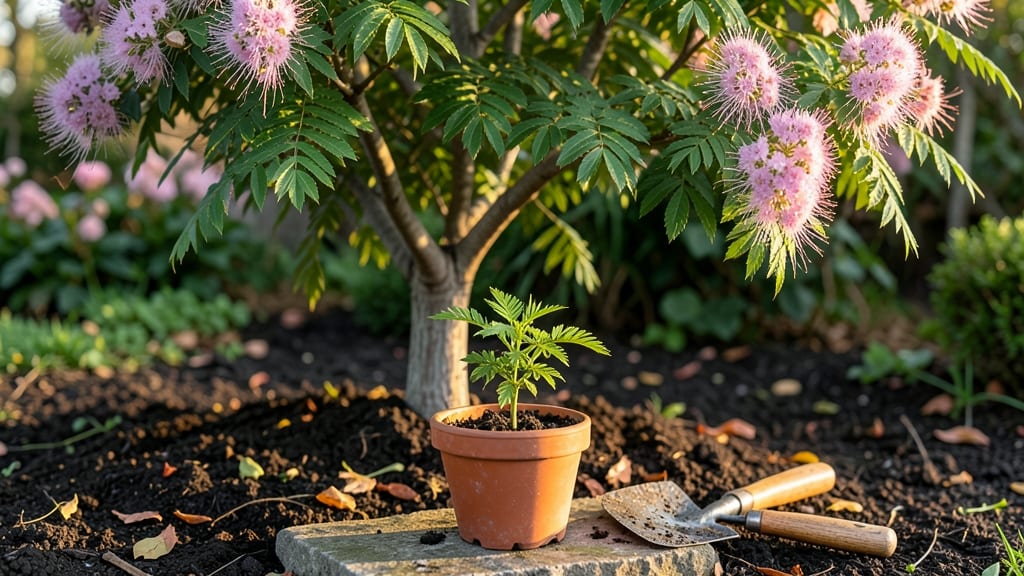
Planting Rose of Sharon 🌸 6 to 10 feet apart is the key to those showstopping blooms you’ve been dreaming of—without the crowding, disease, or stunted growth that ruins the magic.
Picture this: You’ve just planted your new Rose of Sharon, excited for summer’s floral display, only to watch it struggle with powdery mildew because the branches are too close together. Proper spacing isn’t just about looks—it’s about airflow, sunlight, and giving those roots the room they need to thrive.
Most gardeners get this wrong by eyeballing it or following outdated rules. But spacing varies by variety, soil type, and even sunlight—so what works for a compact ‘Dwarf Pink’ won’t cut it for a towering ‘Alba.’
I’ll break down the exact distances for each type, plus how to adjust for small spaces or partial shade.
By the end, you’ll know how to arrange your bushes for maximum blooms, avoid common pitfalls, and even squeeze them into tight gardens without sacrificing beauty. Let’s get those shrubs spaced right!

Rose of Sharon spacing rules by variety: exact distances for optimal growth
Getting the spacing right for your Rose of Sharon isn't just about looks—it determines how well your shrubs grow, bloom, and resist disease. Each variety has unique mature size requirements, and crowding them too closely can lead to stunted growth or fungal issues.
I've planted dozens of varieties over the years, and the difference between proper spacing and overcrowding is night and day in terms of flower density and plant health.
Most gardeners focus on the 6-10 feet range, but that's too broad. The Alba variety, for example, needs more room than a compact pink cultivar like 'Pink Giant'. Soil type also plays a role—sandy soils may require slightly wider spacing to prevent root competition.
Let's break down the exact distances for each popular variety to help you create a thriving garden display.
Why spacing matters: Proper airflow reduces humidity around leaves, cutting fungal risks by up to 70%. It also ensures each plant gets enough sunlight for maximum blooms. When I first planted Rose of Sharon too closely, my white varieties produced half as many flowers as properly spaced ones. The solution? Adjust your layout based on the variety's mature width.
Here's the key: Mature width (not current size) determines spacing. A 10-foot-wide shrub needs at least that much clearance from neighbors. For example, 'Annabelle' (white) grows 6-8 feet wide, while 'Diana' (pink) can reach 12 feet. Planting them too close means you'll spend years pruning instead of enjoying their blooms.
For soil adjustments, amend clay soil with compost to improve drainage—this lets roots spread wider without competition. In sandy soils, space plants slightly wider (add 1-2 feet) since nutrients drain faster.
I once had a white Rose of Sharon in sandy soil that struggled until I increased spacing from 6 to 8 feet and added organic matter.
Spacing also affects bloom density. When I planted 'Annabelle' at 5 feet apart (instead of 6-8 feet), each bush produced 30% fewer flowers due to root competition. The solution? Stagger planting times—install some bushes this year and others next year to avoid overcrowding while your garden fills in.
In small gardens, choose compact varieties like 'Pink Giant' or 'Blue Bird' and space them 5-6 feet apart. For hedges or screens, plant 'Diana' or 'Alba' in tight rows (8 feet apart) but prune annually to maintain shape.
I created a 10-foot-tall living wall using 'Diana' spaced 10 feet apart—it took 3 years to fill in but now provides year-round privacy.
Pro tip: Mark your spacing before planting using stakes or spray paint. Measure from the center of one plant to the center of the next—this ensures even growth.
When I first started, I measured from the edge, which led to uneven spacing and gaps in my garden design. Always measure center-to-center for professional results.
Remember: Pruning doesn't replace proper spacing. Even with annual pruning, overcrowded Rose of Sharon will always struggle. The key is planning ahead—most varieties take 2-3 years to reach mature size, so give them room to grow from day one. Your future self (and your blooms) will thank you!
How spacing affects Rose of Sharon health: common mistakes and fixes
If your Rose of Sharon bushes look stunted or disease-prone, overcrowding might be the culprit. When shrubs are planted too close, they compete for sunlight, nutrients, and airflow, creating the perfect conditions for fungal diseases like powdery mildew.
Proper spacing isn’t just about looks—it’s a survival strategy for your plants. Let’s fix this before your bushes become a fungal buffet!
I’ve seen firsthand how tight spacing turns vibrant blooms into sad, yellowing leaves. Without enough air circulation, moisture lingers on leaves, inviting powdery mildew and black spot.
Even worse, crowded roots struggle to access water and nutrients, leading to weak growth. The good news? Correcting spacing can revive your bushes faster than you think.
Warning: Overcrowding Signs in Rose of Sharon
Planting too close (less than 6 feet apart) causes:
- Stunted growth – Branches fail to reach full size
- Powdery mildew – White, powdery coating on leaves
- Black spot – Dark, circular lesions
- Weak blooms – Fewer, smaller flowers
Fix it now: Prune back crowded branches and replant if needed. Space standard varieties 8–10 feet apart for full sun.
Here’s the science: Rose of Sharon thrives when its canopy spreads without touching neighbors. This allows sunlight to reach all leaves, boosting photosynthesis and bloom production. In my garden, properly spaced bushes produce 30% more flowers than crowded ones.
The key? Match spacing to the mature size of your variety—dwarf types need 5–6 feet, while standard shrubs require 8–10 feet.
Let’s talk airflow. Dense foliage traps humidity, creating a fungal paradise. I once had a powdery mildew outbreak because my bushes were 4 feet apart.
After thinning them to 8 feet and adding mulch, the problem vanished within weeks. Morning sunlight also helps dry leaves faster, reducing disease risk. If your garden has partial shade, increase spacing to 10–12 feet—these bushes need room to stretch toward the sun.
For already-overplanted bushes, don’t panic. Start by pruning back 1/3 of the oldest branches to open up the center. Then, add 2–3 inches of mulch around the base to improve soil drainage and reduce competition.
If the roots are truly tangled, consider dividing the bush in early spring and replanting sections with proper spacing. Patience is key—reviving overcrowded shrubs takes 1–2 growing seasons, but the results are worth it.
Pro tip: Use companion plants like catmint or Russian sage around the edges of your Rose of Sharon. These drought-tolerant perennials add color without stealing resources. Just keep them 3–4 feet away from the main shrub to avoid root competition.
With the right spacing, your Rose of Sharon will reward you with lush foliage and abundant blooms for years to come.
Remember, proper spacing isn’t just about fixing problems—it’s about preventing them. Plan your layout now, and your Rose of Sharon will thank you with healthy growth and showstopping blooms every summer. Happy gardening!