
Flowers
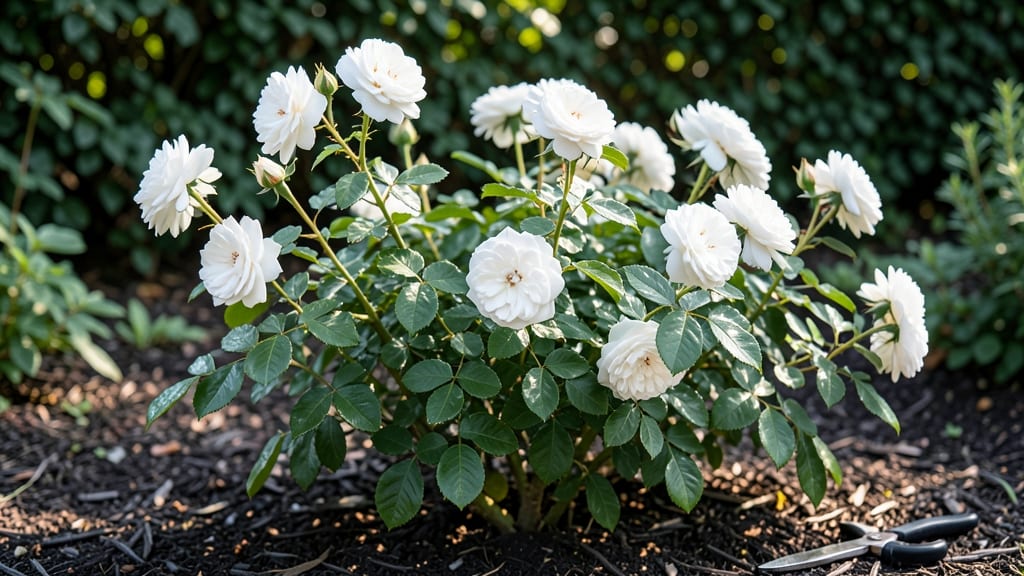
Growing the Purity white rose means waking up to a garden that smells like a spring morning. 🌸 This variety isn’t just stunning with its creamy petals—it’s the kind of rose that makes neighbors stop and ask which one it is.
The secret to those endless blooms and that intoxicating fragrance? A few simple habits that keep it thriving from spring through fall (and even winter, with the right care).
First, you’ll need full sun (at least 6 hours daily) and well-draining soil—this rose hates soggy roots. I’ve learned the hard way that rich, slightly acidic soil (pH 6.0-6.5) is non-negotiable.
Amend your garden beds with compost, and avoid heavy clay unless you’re willing to raise beds or add organic matter. Watering is simple too: deep but infrequent—about 1 inch per week, more in extreme heat.
Pruning might seem scary, but it’s the key to those necklace-like clusters of blooms. Cut back in early spring to shape the plant, then deadhead spent flowers all season. My bushes now produce continuous blooms from May through October, and the fragrance lingers in the evening air.
The trick? Prune at a 45-degree angle just above an outward-facing bud.
Pests and diseases are the real test, but Purity holds up better than most. Watch for black spot (remove infected leaves immediately) and aphids (a strong spray of water usually does the trick).
For winter care, mound soil or mulch around the base to protect roots in colder zones. With these steps, you’ll have a rose that’s showstopping yet effortless—exactly what every garden deserves.
📚 In This Guide
- What you need
- Instructions
- Tips and common mistakes
- Wrapping up and next steps
What you need
- ● Purity White Rose Plant: 1 bare-root rose bush (dormant season) or
- ● 1 potted Purity White rose (spring/summer)
- ● Soil: 60% well-draining garden soil
- ● 30% compost or aged manure
- ● 10% perlite or coarse sand (for aeration)
- ● Fertilizer: Balanced rose fertilizer (10-10-10 or 5-10-5 NPK ratio)
- ● Organic options: Fish emulsion, worm castings, or bone meal
- ● Mulch: 2–3 inches of organic mulch (shredded bark or straw)
- ● Planting: Trowel or spade
- ● Garden gloves (to protect from thorns!)
- ● Watering can or hose with gentle spray nozzle
- ● Pruning: Bypass pruners (sharp and clean)
- ● Disinfectant (rubbing alcohol or bleach solution)
- ○ Support (Optional but Recommended): Rose trellis, cage, or sturdy stakes (4–6 feet tall)
- ● Tie clips or soft garden twine
- ● Climate: USDA Zones 5–10 (adjust care for colder/hotter regions)
- ● Sunlight: 6+ hours of direct sun daily (partial shade in extreme heat)
- ● Water Access: Consistent moisture (1–2 inches per week, more in heat)
- ● Patience: Roses thrive with time—expect blooms in 6–12 months!
Step-by-step instructions for planting and caring for Purity White roses
Here's how I grow these stunning, fragrant blooms—with tips to keep them thriving for years.
🪴 Step 1: Choose the Perfect Planting Site
Purity White roses need full sun—at least 6-8 hours daily—for strong stems and abundant blooms. I pick a spot with morning sun and afternoon shade in hot climates to prevent leaf scorch. The soil should drain well, so avoid low-lying areas where water pools.
Test your soil's pH with a kit—roses prefer 6.0-6.5. If yours is too alkaline, amend with sulfur or peat moss. I dig in 2-3 inches of compost into the top 12 inches of soil before planting to give roots a nutrient-rich start.
🌱 Step 2: Plant at the Right Depth and Spacing
Dig a hole twice as wide as the root ball but no deeper. Set the rose so the graft union (the swollen bump where the main stem meets the rootstock) sits 2-3 inches above soil level. This prevents soil from covering the graft and encouraging suckers to grow.
Space plants 3-4 feet apart to allow airflow, which reduces fungal diseases like black spot. Fill the hole halfway with water, then let it drain before adding backfill soil mixed with compost. Water deeply again to settle the roots—you'll see soil level drop slightly.
☀️ Step 3: Water Deeply and Mulch for Root Health
Water once weekly during the first growing season, giving 1-1.5 gallons per plant each time. Let the top 2 inches of soil dry between waterings to prevent root rot. I use a soaker hose to deliver water slowly at the base, avoiding wet foliage that invites disease.
Apply 2-3 inches of organic mulch (like shredded bark) around the base, keeping it 6 inches away from the stem. This conserves moisture, regulates soil temperature, and suppresses weeds. Replenish mulch annually—it breaks down over time.
✂️ Step 4: Prune for Shape and Encourage Blooms
Prune in early spring before new growth starts. Cut back one-third of last year's growth to shape the bush and open the center for airflow. Remove any dead, diseased, or crossing branches first—sterilize your pruners with rubbing alcohol between cuts.
For continuous blooms, deadhead spent flowers by cutting back to the first five-leaflet leaf below the bloom. I also trim back any suckers (shoots growing below the graft union) immediately—they sap energy from the plant.
🌿 Step 5: Fertilize for Fragrant, Vibrant Blooms
Feed roses every 4-6 weeks during the growing season with a balanced rose fertilizer (10-10-10 or similar). I mix in ½ cup of Epsom salt per plant annually in early spring to boost magnesium, which enhances fragrance and flower production.
Stop fertilizing by mid-summer to let the plant harden off for winter. Over-fertilizing late in the season encourages tender new growth that won’t survive cold snaps. Always water before and after fertilizing to prevent root burn.
Tips & tricks for perfect Purity White rose care
These simple strategies will help you cultivate the most fragrant, disease-resistant Purity White roses in your garden.
Sunlight Strategy: While the instructions call for 6-8 hours of daily sun, I've found that morning sun with afternoon shade in hot climates actually preserves the delicate petals longer. If your roses are getting afternoon sun, watch for leaf scorch on the edges—this means it's time to provide some shade relief during peak heat hours.
Planting Depth Secret: The 2-3 inches above soil level for the graft union is critical—this prevents soil from covering the graft and encouraging suckers. I like to mark the graft union with a waterproof marker before planting as a visual reminder. If you accidentally bury it too deep, don't panic! Just mound soil around the base to expose it again over time.
Watering Wisdom: The once-weekly watering guideline works well, but I adjust based on rainfall. After heavy rain, skip the scheduled watering and let the soil dry completely before watering again. You can test this by sticking your finger 2 inches into the soil—if it's dry, it's time to water. This prevents overwatering which leads to root rot.
Pruning Precision: When cutting back one-third of last year's growth in Step 4, look for outward-facing buds when making your cuts. These will grow into stronger canes that support more blooms. I also like to sterilize my pruners with rubbing alcohol between cuts—this prevents spreading diseases between branches.
Pro Tips for Purity White Rose
- These simple strategies will help you cultivate the most fragrant, disease-resistant Purity White roses in your garden.
- Sunlight Strategy: While the instructions call for 6-8 hours of daily sun, I've found that morning sun with afternoon shade in hot climates actually preserves the delicate petals longer.
- Planting Depth Secret: The 2-3 inches above soil level for the graft union is critical—this prevents soil from covering the graft and encouraging suckers.
Frequently asked questions
Got questions about growing and caring for purity white roses? You’re not alone!
Here are some of the most common queries—plus quick, practical answers to keep your blooms thriving year-round.
How often should I water my purity white roses?
Water deeply 2-3 times per week (more in extreme heat or drought). Aim for 1-1.5 inches of water per week, ensuring the soil stays moist but not soggy. Early morning is ideal to prevent fungal issues. Pro tip: Mulch around the base to retain moisture and regulate soil temperature!
Why aren’t my purity white roses blooming?
Lack of blooms often stems from over-pruning, poor nutrition, or stress. Ensure they get 6+ hours of sunlight daily and feed with a balanced rose fertilizer every 4-6 weeks. Deadhead spent blooms and avoid heavy pruning in late summer—this encourages new growth for spring blooms!
Can I grow purity white roses in containers?
Choose a large container (at least 15-20 gallons) with drainage holes and use a high-quality potting mix. Opt for climbing or bush varieties suited for pots, and repot every 2-3 years. Place in a sunny spot and water consistently—containers dry out faster than garden beds.
How do I protect purity white roses from pests?
Watch for aphids, spider mites, and black spot fungus. Spray leaves with neem oil or insecticidal soap for pests, and apply fungicide if you spot black spots. Improve airflow by pruning crowded branches and avoid overhead watering. Prevention tip: Inspect plants weekly during peak growing season!
What’s the best time to prune purity white roses?
Prune late winter or early spring (just before new growth starts) to shape the plant and remove dead wood. Lightly trim again after blooming to encourage more flowers. Avoid heavy pruning in fall—it can stress the plant before winter. Use clean, sharp shears to prevent disease.
Wrapping up and next steps
The purity white rose isn’t just a flower—it’s a symbol of grace, resilience, and timeless beauty. With the right care, you’ll enjoy its fragrant blooms year after year, whether in your garden, pots, or as a stunning centerpiece. 🌸
Ready to take the next step? Start by planting your first cutting or pruning your established bushes this season. Share your progress with fellow rose lovers—your garden (and blooms!) will thank you!