
How To
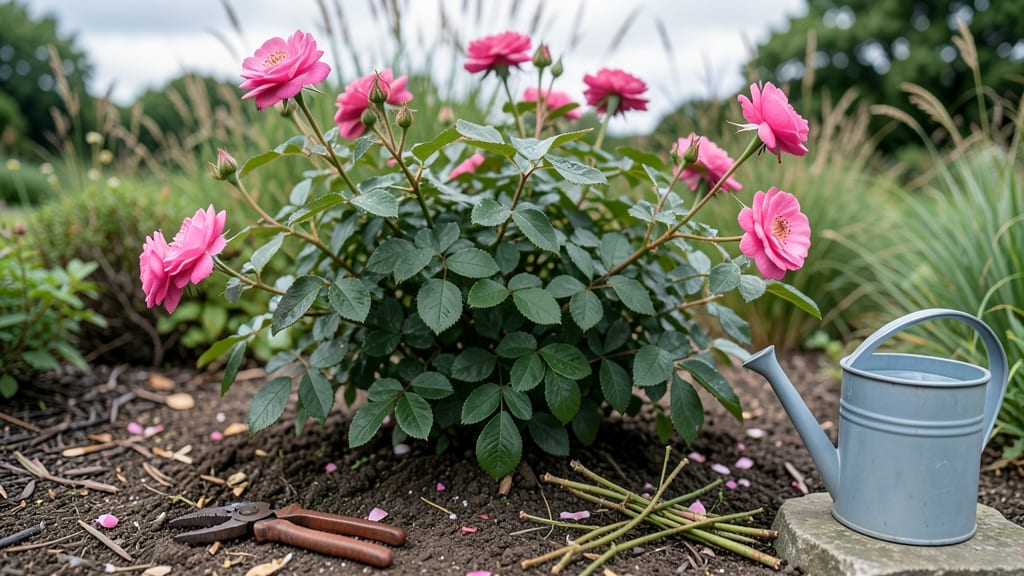
Knockout roses bloom for 4 to 6 months straight—far longer than most roses—thanks to their unique genetics and hardy nature.
If you’ve ever wondered why Knockout Roses stay vibrant while other roses fade fast, you’re about to discover their secret—these powerhouses defy seasonal norms with relentless blooms that transform any garden into a nonstop floral spectacle.
Unlike traditional roses that need pruning to rebloom, Knockout Roses bloom continuously from early summer through fall with minimal effort. But there’s more to their magic: proper care can stretch that bloom time even further, turning your yard into a year-round showstopper.
In this guide, I’ll break down exactly how long these 🌹 beauties thrive, what makes them different, and the simple steps to keep them flowering longer—so you can enjoy their color without the fuss.
How long knockout roses bloom: the science behind their season-long performance
If you’ve ever wondered why Knockout Roses stay vibrant while other roses fade fast, you’re about to discover their secret—these powerhouses defy seasonal norms with relentless blooms that transform any garden into a nonstop floral spectacle.
Unlike traditional roses that bloom for just 4-8 weeks, Knockout Roses deliver 4-6 months of continuous color, making them the superstars of the rose world. Their secret lies in a unique combination of genetic traits and environmental adaptability that keeps them flowering from early summer through fall.
Their reblooming cycle is the key—while most roses produce one big flush of blooms, Knockout Roses continuously produce new buds along their stems. This isn’t just luck; it’s the result of disease-resistant genetics and a hardy constitution that allows them to thrive in USDA Zones 4-9.
Their ability to bounce back from pests and weather makes them a gardener’s dream for low-maintenance beauty.
Here’s the science behind their marathon blooming season:
| Feature | Knockout Roses | Traditional Roses |
|---|---|---|
| Bloom Duration | 4-6 months (May-October) | 4-8 weeks (seasonal bursts) |
| Genetic Trait | Continuous bud formation | Single flush or limited reblooms |
| Temperature Tolerance | Thrives in 40°F-90°F | Sensitive to extremes |
| Disease Resistance | High (black spot, mildew) | Moderate (requires treatment) |
| Reblooming Cycle | Continuous along stems | Limited to new growth |
Their 4-6 month bloom window typically starts in May and stretches into October, though early varieties may begin as soon as April in warmer climates.
This extended season is thanks to their ability to produce new buds along the current year’s growth, rather than relying solely on last year’s wood like traditional roses. Their disease-resistant genes also mean fewer interruptions from fungal issues that can halt blooming in other varieties.
Environmental factors play a crucial role in extending their bloom time. Full sun exposure (6+ hours daily) is non-negotiable—it fuels their energy production for continuous flowering.
However, their temperature tolerance is equally impressive; they handle both heatwaves and light frosts better than most roses, making them ideal for USDA Zones 4-9. In cooler climates, their blooms may start later but still last through fall’s first frost.
One common misconception is that Knockout Roses bloom nonstop without care. While they’re low-maintenance, proper watering and pruning can extend their season. Deep watering once weekly (or more in extreme heat) keeps their roots hydrated, while light pruning after each bloom cycle encourages new growth.
Their reblooming habit means they don’t need the heavy pruning traditional roses do—just a cleanup in early spring removes dead wood and opens the canopy for airflow.
What truly sets them apart is their adaptability. Unlike fussy roses that demand perfect conditions, Knockouts thrive in average garden soil and tolerate drought conditions once established. This resilience means they’ll keep blooming even if you forget to water occasionally.
Their compact growth habit (3-6 feet tall) also makes them perfect for foundation plantings, mixed borders, or even container gardens.
For gardeners in warmer climates, their blooms may continue into November if temperatures stay mild. In cooler regions, expect them to wind down by first frost, but with proper care, they’ll bounce back vigorously next spring.
Their perennial nature means each year brings more blooms, making them a long-term investment for any garden.
If you’re comparing Knockout Roses to other long-blooming varieties, their 4-6 month season outpaces most roses, which typically bloom for 8-12 weeks. Even Floribunda or Grandiflora roses rarely match this endurance.
Their disease resistance also means fewer chemical treatments, saving you time and money while keeping your garden healthier.
Their secret weapon? A combination of modern rose breeding and wild rose genetics. Unlike hybrid teas bred for single, showy blooms, Knockouts were developed to rebloom continuously while maintaining vibrant color and fragrant petals.
This makes them the perfect choice for gardeners who want color without compromise—no deadheading required, no constant pruning, just season-long beauty.
Maximizing knockout rose bloom time: pro tips for gardeners
Knockout Roses are famous for their long, continuous blooms that keep your garden vibrant from early summer until frost. But did you know their bloom time can be even longer with the right care?
The key lies in pruning strategies, soil nutrition, and consistent watering—all tailored to their unique needs. Unlike traditional roses, Knockouts don’t need deadheading to rebloom, but they still respond beautifully to proper maintenance.
I’ve found that healthy soil is the foundation for extended blooms. These roses thrive in well-draining, slightly acidic soil (pH 6.0-6.5). Amending your soil with compost or organic matter in early spring gives them the nutrients they need to produce abundant, disease-resistant blooms.
A balanced fertilizer with 10-10-10 NPK applied every 4-6 weeks during the growing season works wonders for keeping them flourishing.
⚠️ callout warning
Over-pruning or pruning at the wrong time can shorten bloom cycles. Knockout Roses bloom on new wood, so avoid heavy pruning in late summer or fall—this can delay next year’s blooms. Instead, prune lightly in early spring to shape the plant and remove dead wood.
🌹 Pro Tip: Use clean, sharp shears to make cuts just above an outward-facing bud.
Watering plays a crucial role in prolonging bloom time. While Knockouts are drought-tolerant, they perform best with deep, consistent watering—about 1 inch per week. Watering in the early morning reduces evaporation and fungal risks.
During hot summers, I increase frequency to 2-3 times per week to keep the soil evenly moist but never soggy. Mulching around the base helps retain moisture and regulates soil temperature.
Pest control is another often-overlooked factor. Knockouts are disease-resistant, but aphids, spider mites, and black spot can still appear. I recommend neem oil sprays or insecticidal soap for early intervention.
Regularly inspect leaves for yellowing or spots—early action prevents stress that can shorten bloom cycles. Healthy foliage equals more blooms!
For maximum bloom time, I’ve had the best results by combining these strategies: spring pruning, balanced fertilization, morning watering, and proactive pest control. With this approach, my Knockout Roses have bloomed for 5-6 months straight—far exceeding the typical 4-month window.
The secret isn’t just one trick, but consistent, thoughtful care throughout the season.
Don’t forget that location matters. Planting in full sun (6+ hours daily) ensures the most vibrant blooms. If your garden has partial shade, choose lighter-colored varieties like ‘Pink Knockout’—they handle shade better than deep reds.
With these tips, you’ll turn your Knockout Roses into the star of your garden for months on end! 🌿