
Propagation
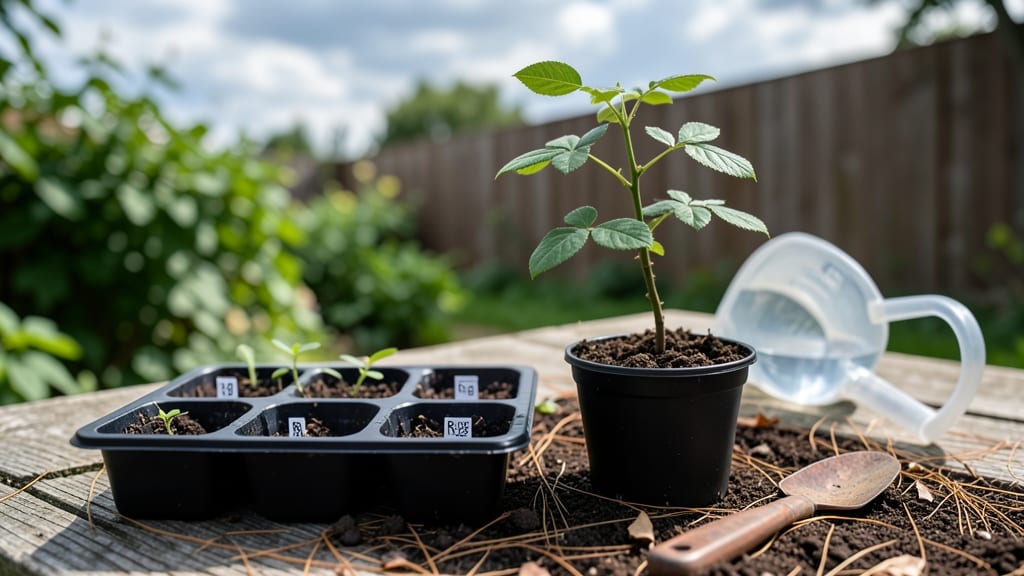
Growing roses from seed takes patience—expect 1 to 3 years until those first blooms appear, depending on the variety and your growing conditions.
If you’ve ever dreamed of homegrown roses but balked at the 3-year wait, you’re not alone. Many gardeners assume seed-grown roses bloom faster than they do, but the reality is that heirloom and hybrid varieties often take longer to mature than grafted plants.
The good news? With the right care, you can shave weeks (or even months) off that timeline.
Germination usually kicks in within 2 to 8 weeks, but the real test comes in the first year—your seedlings will focus on root and leaf growth, not flowers. By year two, you might spot buds, but full blooms typically arrive in year three, especially for climber or shrub types.
That’s where variety matters most: some roses, like the hardy Rosa rugosa, may surprise you with earlier blooms, while delicate hybrid teas play by the rules.
Here’s what you’ll learn: how to accelerate germination, what to watch for in each growth stage, and why your first blooms might not look like the catalog. Spoiler alert—your roses will be worth the wait.


Roses grown from seed: expected timeline by variety type
Growing roses from seed is a journey that rewards patience with unique, disease-resistant plants tailored to your garden.
Unlike grafted roses, seed-grown varieties develop over multiple seasons, with timelines varying dramatically by type. Heirloom roses often bloom faster than hybrid teas, while climbing varieties may take years to reach their full potential. Understanding these differences helps set realistic expectations and care strategies.
The timeline from seed to first bloom typically spans 1–3 years, but this varies based on variety, stratification needs, and growing conditions.
For example, David Austin English roses may take 2–3 years to flower, while wild species roses like Rosa rugosa can bloom in as little as 1 year. Below, I’ve broken down the key stages and timelines for four popular rose types to help you plan your garden’s future.
| Variety Type | Germination Time | Seedling Stage | First Buds (Years) | First Blooms (Years) | Stratification Needs |
|---|---|---|---|---|---|
| Heirloom Roses | 3–8 weeks | 4–6 months | 1–2 years | 2–3 years | Cold stratification (6–8 weeks) |
| Hybrid Tea Roses | 4–10 weeks | 6–8 months | 2 years | 3–4 years | Cold stratification (8–12 weeks) |
| Climbing Roses | 5–12 weeks | 8–12 months | 3 years | 4–5 years | Cold stratification (10–16 weeks) |
| Shrub Roses | 2–6 weeks | 3–5 months | 1 year | 1.5–2.5 years | Minimal or none |
Heirloom roses are the fastest to bloom from seed, often rewarding gardeners with vibrant blooms in 2–3 years. Their shorter timeline makes them ideal for patient growers who want historical varieties like Rosa 'Souvenir de la Malmaison'. The key is proper stratification—mimicking winter’s cold period to break seed dormancy. I recommend placing seeds in a moist paper towel in the fridge for 6–8 weeks before sowing.
Hybrid tea roses, prized for their showy, long-stemmed blooms, take the longest to mature. Their 3–4 year timeline reflects their complex genetics and need for extended stratification (8–12 weeks). If you’re eager for blooms, consider interplanting with faster varieties like shrub roses to fill gaps in your garden’s early years.
For climbing roses, the wait is worth it—imagine 10-foot-tall arches covered in blooms! But be prepared for a 4–5 year journey. These roses require strong support from day one and extra patience during their slow early growth. Start training vines early to avoid woody, unmanageable stems later.
Shrub roses strike a balance, offering quick foliage and earlier blooms (as soon as 1.5 years). Varieties like Rosa 'Knock Out' are perfect for low-maintenance gardens or hedge plantings. Their minimal stratification needs make them beginner-friendly, but they still benefit from well-draining soil and full sun.
Seasonal variations also play a role. Seeds sown in early spring (after last frost) often germinate faster than those planted in fall, which may require additional cold treatment. In warmer climates (Zones 8–10), stratification can sometimes be skipped, but consistent moisture is critical to prevent seed rot.
I’ve found that using a seedling heat mat can shave 2–4 weeks off germination time in cooler seasons.
One common misconception is that seed-grown roses will reproduce true to parent plants. In reality, most roses are hybrids, meaning their offspring may vary significantly in color, size, or fragrance.
To ensure consistency, I recommend collecting seeds from stabilized varieties or purchasing seeds from reputable suppliers like Bare Root Roses or Swallowtail Garden Seeds.
To accelerate growth, focus on three critical factors: light, soil, and nutrients. Place seedlings in bright, indirect light (or under grow lights) for 14–16 hours daily. Use a well-draining potting mix with <
Critical factors that speed up or delay rose seed germination
Rose seed germination isn't a quick process—it can take weeks to months, depending on how you prepare the seeds and their growing conditions. Unlike store-bought roses, seeds require specific care to break their natural dormancy and encourage growth.
Understanding these critical factors will help you avoid common pitfalls and set your seeds up for success from day one.
First, soil temperature plays a pivotal role. Most rose seeds germinate best in 60–70°F soil, which is why spring or fall planting often works better than winter. If your climate is cooler, consider using a seedling heat mat to maintain consistent warmth.
Without proper heat, germination can stall for weeks or even months, leaving you wondering why your seeds aren't sprouting.
Moisture levels are another game-changer. Rose seeds need consistent, even moisture—not too dry, not soggy—to germinate. I recommend using a spray bottle to mist the soil lightly every 2–3 days instead of drowning them.
Overwatering can lead to rot, while underwatering causes seeds to dry out and fail to sprout. A humidity dome or plastic wrap over the tray can help retain moisture without creating a swampy environment.
⚠️ WARNING: Common Mistake That Kills Rose Seeds
Light exposure is often overlooked, but rose seeds actually don’t need light to germinate. In fact, planting them too shallow or exposing them to direct sunlight can dry them out.
I bury seeds ¼ inch deep in a well-draining mix of peat moss and perlite to keep them moist while protecting them from harsh light. Once seedlings emerge, you can gradually introduce 12–14 hours of indirect light daily to prevent leggy growth.
Another speed booster is seed viability. Fresh seeds from hybrid roses or heirloom varieties germinate faster than old, dried-out seeds. If you're using seeds saved from store-bought roses, know that many hybrid tea roses are sterile and won’t produce true-to-type offspring.
For the best results, source seeds from reputable nurseries or rose breeders who specialize in seed-grown varieties like David Austin English roses or wild species roses, which are more reliable.
Finally, patience and persistence are key. Even with perfect conditions, some rose seeds take 30–90 days to germinate, while others may need a full season. I’ve had seeds sprout after 6 months of waiting, so don’t give up!
Label your seeds and track their progress—this helps you adjust care as needed. With the right balance of warmth, moisture, and pre-treatment, you’ll see those first tiny green shoots in no time.