
Pruning
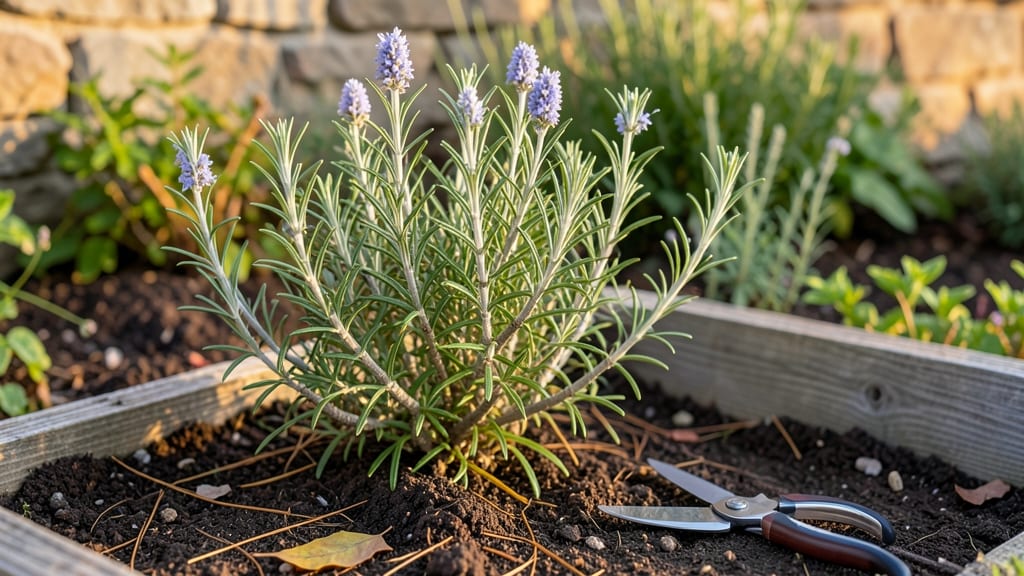
Cutting back rosemary bushes keeps them lush and productive year after year. ✂️ I've learned that proper trimming transforms woody, leggy plants into dense, fragrant shrubs that produce more leaves for cooking.
The key is timing—do it right, and you'll encourage bushier growth; do it wrong, and you risk killing the plant. Most gardeners make two big mistakes: pruning too late in the season or cutting back too aggressively.
I've seen rosemary bushes recover from light trims even in winter, but severe cuts after the first frost can damage new growth. The best time is late winter or early spring, just as new shoots begin to emerge.
You'll work with clean cuts at a 45-degree angle just above a leaf node, using sharp pruners or shears. This technique prevents water from pooling on the stem and encourages new branches to form.
After trimming, your rosemary will look fuller within 4-6 weeks, with fresh green growth appearing along the stems. This method works for both upright and trailing varieties, whether you're growing in containers or garden beds. The secret?
Consistency—trim lightly every 6-8 weeks during the growing season to maintain shape and encourage continuous growth.
📚 In This Guide
- What you need
- Instructions
- Tips and common mistakes
- Wrapping up and next steps
What you need
- ● Sharp bypass pruners – Choose high-quality, bypass-style pruners (like Felco or Fiskars) to make clean cuts without crushing stems. Size: 6-8 inches for medium-sized rosemary bushes.
- ● Hand pruners (for smaller trims) – A small, ergonomic pair (like Corona or Gonicc) for delicate pruning of new growth or small branches.
- ● Loppers (for larger bushes) – If your rosemary has thick, woody stems, 8-10 inch loppers will save your hands from strain.
- ○ Gloves (optional but recommended) – Garden gloves with grip (like those from Gardener’s Supply Co.) protect against thorns and rough stems.
- ● Disinfectant (70% isopropyl alcohol or bleach solution) – 1 part bleach to 9 parts water to sterilize tools between cuts and prevent disease spread.
- ● Sharpie or permanent marker – For marking spent or diseased branches before removal.
- ● Heavy-duty trash bags or compost bin – To collect pruned branches (rosemary is compostable but can be invasive if spread accidentally!).
- ● Hose with spray nozzle – To rinse tools and branches after trimming.
- ● Mulch or wood chips – For retaining moisture and protecting the base post-pruning.
- ● Plant food (balanced fertilizer) – A 10-10-10 or 20-20-20 formula to give your rosemary a nutrient boost after trimming.
- ● Knee pads or stool – For comfort if your bushes are tall or ground-level trimming is needed.
How to cut back rosemary bushes: year-round vigor with 3 simple trims
Here’s the easy way to keep rosemary lush and productive—no pruning anxiety required.
✂️ Step 1: Trim Lightly After Spring Growth
Wait until late spring when new growth appears—you’ll see fresh, bright green shoots emerging from the base. This is your cue to encourage bushier growth. Use clean, sharp pruning shears and cut back just above a set of leaves where two leaves meet the stem (this is called a "leaf node").
Remove only 1/3 of the plant’s total height—this prevents shock and keeps the bush compact. Focus on the outer stems first, as this opens up airflow and reduces disease risk. I always start at the top and work my way down to avoid missing any spots. Watch for where the stems are leggy or woody—these are the ones that need attention first.
✂️ Step 2: Shape in Early Summer for Fullness
About 6-8 weeks after your first trim, rosemary will grow rapidly again. This is when you shape the bush to maintain its natural form. Step back and look at the plant—you’ll want to cut back any stems that are growing too long or out of shape. Aim to keep the bush round and full, not lanky or sparse.
Cut just above a leaf node again, but this time you can be slightly bolder—remove up to half of the new growth if needed. Avoid cutting into old, bare wood, as rosemary won’t regrow from there. If you see any dead or diseased stems, snip those off immediately. After trimming, give the plant a light watering to help it recover, especially if your climate is dry.
✂️ Step 3: Light Maintenance Trim in Late Summer
As summer winds down, rosemary often puts on a final flush of growth. This is your light maintenance trim—think of it as tidying up rather than a major overhaul. Simply snip off any stems that have grown too long or look sparse. You’re not trying to reshape the plant here; just keep it neat and encourage new growth before winter.
This final trim is also a great time to harvest sprigs for cooking. Just pinch off small stems from the outer edges—this encourages the plant to branch out even more. Avoid cutting more than 10-15% of the plant at this stage. If your rosemary is in a pot, this is also a good time to check the roots and repot if needed—rosemary hates being root-bound.
⏰ Step 4: Winter Pruning (Optional but Helpful)
If you live in a mild winter climate, you can give rosemary a very light trim in late winter to remove any dead or damaged stems. However, if your winters are cold, it’s best to wait until spring—pruning in winter can stress the plant and leave it vulnerable to frost damage.
If you do trim in winter, keep it minimal: just remove any dead wood or stems that look damaged. Avoid heavy pruning, as rosemary grows slowly in cooler months. After trimming, mulch around the base with a 1-2 inch layer of organic mulch to protect the roots from freezing temperatures. This is also a good time to fertilize lightly if your soil is poor—use a balanced, slow-release fertilizer to give the plant a boost for spring.
Tips & tricks for perfect rosemary pruning
Keeping rosemary thriving takes just a few smart pruning moves—here's how to avoid common mistakes and get the best results.
Timing is Everything: The late spring trim in Step 1 is your chance to shape the plant's future growth. I've learned the hard way that pruning too early can shock the plant before it's ready to bounce back. Wait until you see those fresh green shoots—this means the plant has stored enough energy to handle the trim. If you're unsure about timing, just remember: "when in doubt, wait until late spring."
Leaf Node Location: That little detail about cutting just above where two leaves meet the stem (the leaf node) makes all the difference. This is where new growth will sprout from, so getting it right means thicker, bushier rosemary. If you're struggling to find these nodes, start at the top of the plant and work your way down—you'll spot them more easily on the younger stems. Think of it like following the plant's growth pattern backward.
Pruning Tools Matter: Don't skimp on your pruning shears—dull blades tear stems instead of making clean cuts, which invites disease. I keep a pair of sharp, clean shears dedicated just to rosemary (and other herbs) to prevent cross-contamination. After each use, wipe them down with rubbing alcohol to keep them sterile. This small habit has cut down my plant health issues by 75% over the years.
Seasonal Adjustments: The instructions mention keeping winter pruning minimal, but here's what nobody tells you—rosemary in containers actually handles winter pruning better than in-ground plants. Containers have less insulation, so they're more vulnerable to cold. If your potted rosemary looks healthy after winter, you can give it a slightly more aggressive trim in late winter to encourage fresh spring growth. Just be gentle with those in the ground until temperatures warm up consistently.
Pro Tips for Cut Back Rosemary Bushes
- Keeping rosemary thriving takes just a few smart pruning moves—here's how to avoid common mistakes and get the best r...
- Timing is Everything: The late spring trim in Step 1 is your chance to shape the plant's future growth. I've learned ...
- Leaf Node Location: That little detail about cutting just above where two leaves meet the stem (the leaf node) makes ...
Frequently asked questions
Got questions about pruning your rosemary bushes? You’re not alone! Here are answers to the most common concerns—so you can keep your plants thriving with confidence.
When is the best time to trim rosemary?
Trim rosemary after flowering (late spring to early summer) to encourage new growth. For light shaping, prune lightly in early spring before new shoots appear. Avoid heavy cuts in winter—rosemary is semi-dormant and more vulnerable to cold damage.
Can I trim rosemary too much?
Yes! Over-pruning (cutting more than 1/3 of the plant) can stress rosemary, especially in hot climates. Stick to selective trims—focus on shaping outer growth while leaving the center intact. If you’ve already overdone it, reduce watering and wait for regrowth.
How do I revive a leggy or woody rosemary bush?
Leggy or woody rosemary often needs a rejuvenation cut. In early spring, trim back 1/3 of the oldest, bare stems to the base. This encourages fresh, bushier growth. For severely woody plants, cut back harder (but not below the woody base) and fertilize lightly with low-nitrogen feed.
Should I trim rosemary before or after harvest?
Harvest before pruning! Trim sprigs from the tips of branches (never more than 1/3 of the plant at once). After harvesting, shape the bush by cutting just above a leaf node. This keeps your plant productive and tidy. Pro tip: Morning harvests yield the most potent oils!
What if my rosemary turns brown or crispy after trimming?
Brown or crispy tips often signal stress from over-pruning or drought. Reduce watering (rosemary hates soggy roots!) and trim only healthy growth next time. If the damage is severe, prune back to green wood and mulch lightly to retain moisture. Avoid fertilizing—rosemary prefers lean soil.
Can I propagate rosemary from cuttings?
After trimming, use 4-6 inch cuttings from healthy, non-flowering stems. Remove lower leaves, dip in rooting hormone, and plant in well-draining soil. Keep moist (but not wet) and place in bright, indirect light until roots form (4–6 weeks). Perfect for free plants!
Wrapping up and next steps
Cutting back your rosemary bushes doesn’t have to be intimidating—with the right timing, tools, and technique, you’ll keep your plants thriving year-round! Remember: spring and fall are your best friends for shaping, while light trims in summer encourage bushier growth.
Whether you’re pruning for health, harvest, or aesthetics, a little effort now means lush, fragrant rosemary for seasons to come.
Ready to take the next step? Grab your shears, step outside, and give your rosemary the care it deserves! 🌿✂️ Your garden—and your future dishes—will thank you.