
Blooming
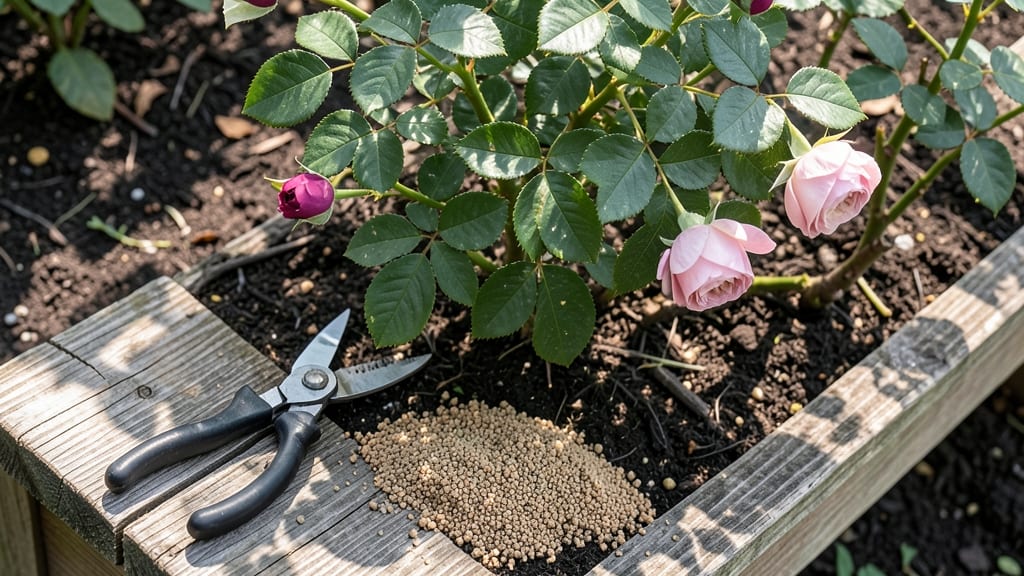
Getting your rose bush to bloom feels like unlocking a secret—because it is. 🌹 After years of struggling with stubborn bushes that refused to flower, I finally cracked the code: three simple but critical adjustments that trigger blooms like clockwork, even in tough climates.
The trick starts with pruning at the right time—late winter or early spring—when you cut back to encourage new growth. Add a balanced organic fertilizer (like compost or fish emulsion) every 4-6 weeks, and make sure they get 6-8 hours of sunlight daily.
Most gardeners miss one of these three, and that’s why their roses stay stubbornly bare.
Within 6-8 weeks of proper care, you’ll see fresh green shoots pushing out, followed by buds that swell into dozens of fragrant blooms—and the best part? These same techniques keep roses flowering well into fall if you deadhead spent blooms regularly. The scent alone makes it worth the effort.
Works for hybrid teas, floribundas, and even tough shrub roses—no fancy equipment needed. Let’s get those canes producing like they’re supposed to.
📚 In This Guide
- What you need
- Instructions
- Tips and common mistakes
- Wrapping up and next steps
What you need
- ● Healthy rose bush: Choose a disease-resistant variety (e.g., Knock Out®, Floribunda, or Hybrid Tea roses). Ensure it’s at least 1–2 years old for best results.
- ● Well-draining soil: 5–10 bags of rose-specific potting mix or a blend of garden soil + compost + perlite (ratio: 60% soil, 30% compost, 10% perlite).
- ● Fertilizer: 1–2 lbs of balanced rose fertilizer (10-10-10 or 12-12-17 NPK ratio).
- ○ Optional: Slow-release granules (like Osmocote) for convenience.
- ● Watering supplies: Garden hose with adjustable nozzle or 1–2 watering cans (5+ gallons each).
- ○ Drip irrigation kit (optional but ideal for consistent moisture).
- ● Pruning tools: Bypass pruners (sharp, clean, and sterilized with rubbing alcohol).
- ● Loppers (for thicker stems).
- ● Gloves (to protect from thorns and sap).
- ● Sunlight: A spot with 6–8+ hours of direct sunlight daily (south- or west-facing is ideal).
- ● Climate awareness: Know your USDA hardiness zone (most roses thrive in zones 5–10).
- ● Patience: Roses need 3–6 months to adjust and bloom after major care changes.
- ○ Pest/disease prevention: Neem oil (optional for fungal/bacterial issues).
- ○ Insecticidal soap (optional for aphids/mites).
Step-by-Step guide to encouraging rose bush blooms
Here's the method I've used to coax roses into blooming reliably—even in challenging climates.
🌿 Step 1: Prune for Airflow and Light
Start by removing any dead, diseased, or crossing branches with clean, sharp pruners. I cut at a 45-degree angle just above an outward-facing bud to encourage new growth. This isn't just about aesthetics—proper pruning prevents fungal diseases by improving airflow and sunlight penetration to the center of the bush.
Focus on thinning out crowded stems rather than just cutting back length. You'll know you've done it right when you can see light reaching the inner branches. Avoid heavy pruning in late summer—this stimulates new growth that won't harden off before winter.
☀️ Step 2: Provide Optimal Sun and Nutrients
Roses need at least 6 hours of direct sunlight daily for maximum blooms. If your bush isn't flowering well, check its location first. Morning sun with afternoon shade works best in hot climates, while full sun all day is ideal in cooler regions. I've seen roses double their bloom production just by moving them to a sunnier spot.
Feed with a balanced rose fertilizer (10-10-10 or similar) in early spring as new growth appears, then again after the first flush of blooms. Avoid high-nitrogen fertilizers—they produce lush foliage but fewer flowers. Look for formulations specifically labeled for blooming plants.
💧 Step 3: Master Watering Techniques
Deep, infrequent watering produces the best blooms. Water 1-2 inches per week during growing season, delivering moisture directly to the root zone rather than sprinkling leaves. I water in the morning so foliage has time to dry before evening—this prevents fungal diseases like black spot that can stress the plant.
Mulch around the base with 2-3 inches of organic mulch to retain moisture and regulate soil temperature. Keep mulch away from the stem to prevent rot. You'll notice healthier stems and more abundant blooms when the roots stay consistently moist but not waterlogged.
✂️ Step 4: Deadhead and Encourage Continuous Blooms
Remove spent blooms by cutting just above the first set of healthy leaves below the bloom. This redirects the plant's energy from seed production back into new flower buds. I deadhead every 2-3 days during peak bloom season to maintain continuous flowering.
For repeat-blooming varieties, give them a light pruning after the first flush of flowers to encourage a second round. Avoid heavy pruning at this stage—just trim back about one-third of the new growth to shape the bush while maintaining its structure.
⏰ Step 5: Prepare for Seasonal Changes
In fall, reduce watering as temperatures drop and stop fertilizing about 6 weeks before first frost. This allows the plant to harden off for winter. I apply a 4-6 inch layer of mulch after the ground freezes to protect roots from temperature swings.
Spring is when roses truly wake up. As soon as you see new growth emerge, remove the winter mulch and apply a balanced fertilizer. This timing jumpstarts the blooming cycle. Watch for buds to swell—this is your cue that the plant is ready for its first major bloom push.
Tips & tricks for year-round rose blooms
These subtle adjustments make all the difference between a bush that barely flowers and one covered in vibrant blooms.
Pruning Precision: In Step 1, when you're cutting at a 45-degree angle, focus on outward-facing buds—these will grow away from the center, creating a more open bush structure. I've found that removing just 20-30% of the oldest canes each year (not more!) prevents over-pruning while dramatically improving airflow. The key is to make cuts just above a bud that's positioned where you want new growth to emerge. This targeted approach prevents the shock that comes from heavy pruning.
Sunlight Strategy: The 6 hours of sunlight mentioned in Step 2 is non-negotiable, but here's the trick: if your roses are in a spot with afternoon shade, rotate the bush every few weeks so all sides get equal exposure. I've seen roses in partial shade produce twice as many blooms simply by turning them to face different directions weekly. Also, watch for nearby trees or buildings casting shadows—even partial shade can reduce flowering by up to 40%.
Watering Wisdom: When you're delivering that 1-2 inches of water per week in Step 3, time it for early morning (before 9 AM) to prevent fungal issues. I use a rain gauge to measure exactly 1.5 inches during peak bloom season—this consistent moisture level keeps roots happy without encouraging rot. The mulch layer you add should be organic (like shredded bark) to slowly break down and feed the soil, not plastic or gravel which insulates but doesn't improve soil quality.
Deadheading Technique: For Step 4's 2-3 day deadheading schedule, here's my pro move: use clean, sharp pruners and cut at a slight angle just above where 5 healthy leaves meet the stem. This small detail prevents water from pooling on the cut (which causes rot) while giving the plant clear signals to produce more blooms. I also recommend wearing gloves—those thorns are sneaky when you're focused on precision cuts!
Pro Tips for Get A Rose Bush To Bloom
- These subtle adjustments make all the difference between a bush that barely flowers and one covered in vibrant blooms.
- Pruning Precision: In Step 1, when you're cutting at a 45-degree angle, focus on outward-facing buds—these will grow away from the center, creating a more open bush structure.
- Sunlight Strategy: The 6 hours of sunlight mentioned in Step 2 is non-negotiable, but here's the trick: if your roses are in a spot with afternoon shade, rotate the bush every few weeks so all sides get equal exposure.
Frequently asked questions
Got questions about coaxing those stunning blooms from your rose bush? You’re not alone! Here are answers to the most common queries—so you can enjoy a garden bursting with color and fragrance all year.
Why isn’t my rose bush blooming, even though it looks healthy?
Even healthy rose bushes need the right conditions to bloom. Check for these culprits: not enough sunlight (6+ hours daily), overcrowded roots, or lack of pruning. Deadheading spent blooms and fertilizing with phosphorus-rich food (like 5-10-5) can also trigger flowers. If it’s still stubborn, your variety might be once-blooming—like David Austin roses—which focus on one big flush of flowers.
How long does it take for a rose bush to bloom after planting?
Patience is key! Bare-root roses planted in fall or early spring may wait until the following year to bloom, while potted roses can flower within 6–12 weeks if cared for properly. Give it time to establish roots—first-year blooms are often small but signal a thriving plant. For faster results, choose repeat-blooming varieties like ‘Knock Out’ or ‘Dr. Huey’.
Can I force a rose bush to bloom out of season?
Yes, but it takes strategy! Roses need chill hours (30–40°F for 500–1,000 hours) to trigger blooms. In warm climates, winter chilling (like covering with frost cloth) or early spring pruning can help. For indoor roses, mimic seasons with cool nights (50–60°F) and warm days (70–80°F). Avoid forcing blooms too early—stress can weaken the plant.
Does pruning encourage more blooms, or does it stress the plant?
Pruning is essential for blooms—when done right! Cut back dead, diseased, or crossing branches in late winter/early spring, then trim 1/3 of the plant’s height to encourage new growth. For repeat bloomers, light pruning after each flush keeps them flowering. Just avoid over-pruning in fall—let the plant rest for winter.
What’s the easiest way to revive a rose bush that’s stopped blooming?
Try this 3-step reset:
- Feed it: Use a balanced rose fertilizer (like 10-10-10) in early spring, then switch to high-phosphorus (5-10-5) when buds form.
- Water deeply: 1–2 inches per week (more in heat). Drought stress = fewer blooms!
- Check for pests: Spider mites or aphids sap energy. Spray with neem oil if needed.
Wrapping up and next steps
Getting your rose bush to bloom year-round is all about patience, the right care, and a little extra love! 🌹 With the three key tricks—pruning for health, feeding for vitality, and protecting from pests—you’re well on your way to a fragrant, flourishing garden.
Remember, every rose bush has its own rhythm, so stay consistent and celebrate the small victories along the way.
Now that you’re armed with the know-how, take that first step today! Start by inspecting your rose bush, then pick one trick to focus on this week—whether it’s trimming those dead branches or adding a balanced fertilizer.
Before you know it, your garden will be bursting with color and scent. Happy gardening! 🌱