
Pests
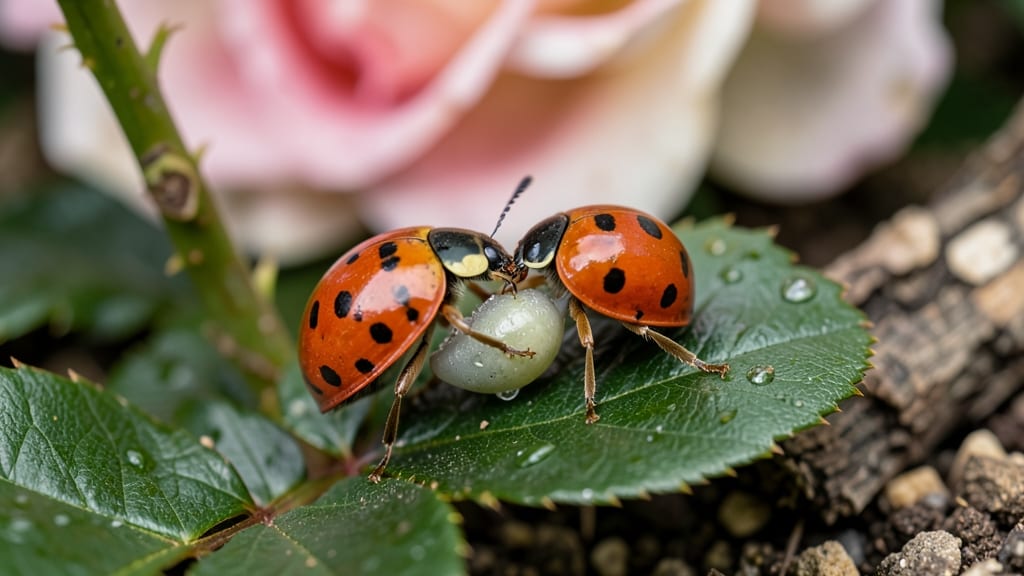
Neem oil spray works faster than you'd expect—24 hours to see aphids vanish from your roses. 🌿 I’ve battled these sap-sucking pests for years, and this one trick saved my bushes from sticky, curled leaves and weakened blooms.
The secret lies in neem’s natural oils that disrupt aphid life cycles while being gentle enough for repeat use.
Most gardeners reach for harsh sprays first, but that’s a mistake—aphids rebound even stronger. Neem oil doesn’t just kill on contact; it prevents reinfestation by blocking aphids’ ability to feed.
You’ll need just 1 tablespoon of neem oil per quart of water, a drop of dish soap (as an emulsifier), and a spray bottle. Mix it up at dusk for best results—aphids hate the smell and avoid treated plants.
By morning, you’ll notice fewer pests clinging to new growth, and within a week, your roses will bounce back with vibrant green leaves and fresh buds. The spray also deters other soft-bodied insects like spider mites, making it a multi-purpose solution.
Just avoid spraying when roses are in full bloom to protect pollinators.
This method works year-round, but early spring and late summer are prime times for aphid outbreaks. For stubborn infestations, repeat every 5–7 days until the pests disappear completely. No more sticky residue or chemical fumes—just healthy roses that thrive naturally.
The Hidden Triggers Inviting Aphids
Aphids don’t just randomly appear on your roses—they’re drawn by a mix of environmental, biological, and even human-caused factors. Understanding these triggers is the first step to stopping their invasion. Let’s break down why these tiny pests decide your rose bushes are their next buffet.
Aphids love weak, stressed plants because they’re easier to feed on. When roses are overcrowded, they compete for sunlight, water, and nutrients, making them more vulnerable. Here’s why:
- Poor air circulation: Dense foliage traps moisture, creating a humid microclimate that aphids adore. Stagnant air also makes it harder for natural predators (like ladybugs) to patrol your bushes.
- Nutrient deficiency: Roses deprived of nitrogen, phosphorus, or potassium become less resilient. Aphids detect these deficiencies and target weaker plants first.
- Root stress: Compacted soil or poor drainage forces roots to work harder, weakening the plant’s immune response. A stressed rose can’t fend off pests as effectively.
💡 Pro Tip: Prune roses regularly to improve airflow, and mulch with compost to boost soil health. Healthy roses are less appealing to aphids!
Aphids are particularly fond of tender, new rose shoots because they’re packed with sugars and nutrients. Here’s the science:
- High sugar content: New growth has more soluble sugars, which aphids sip through their stylets (their mouthparts). It’s like a fast-food meal for them!
- Thin cell walls: Immature leaves and stems are easier to penetrate, making them low-effort targets.
- Hormonal signals: Roses produce growth hormones (like auxins) in new shoots, which aphids can detect and are drawn to.
✨ Quick Fix: If you see aphids clustering on fresh buds, prune those sections immediately to remove their food source.
Aphids thrive in warm, humid conditions with plenty of hiding spots. Your rose bushes might be creating the perfect aphid paradise without you realizing it:
- Leaf undersides: Aphids love the shaded, moist undersides of leaves, where they’re protected from wind and predators.
- Thorny tangles: Dense thorns create microhabitats that shield aphids from sprays and natural enemies.
- Greenhouse effect: If your roses are near walls, fences, or other structures, heat buildup can accelerate aphid reproduction.
🌡️ Climate Control: Water roses in the morning to reduce humidity, and avoid over-fertilizing with nitrogen, which promotes lush but aphid-attracting growth.
Aphids rarely attack healthy roses in balanced ecosystems. When their natural predators vanish, they multiply unchecked. Common culprits:
- Pesticide overuse: Broad-spectrum insecticides kill ladybugs, lacewings, and parasitic wasps—the aphids’ biggest enemies.
- Lack of biodiversity: Monoculture gardens (like rows of identical roses) offer fewer hiding spots for predators and more food for aphids.
- Seasonal shifts: Early spring or late summer can reduce predator populations, giving aphids a temporary advantage.
🐞 Eco-Friendly Boost: Plant companion flowers (like marigolds or dill) to attract beneficial insects, and avoid chemical sprays to preserve the food chain.
Now that you know why aphids target your roses, the next step is to disrupt their party—starting with a neem oil spray that works fast. Stay tuned!
Quick Fixes for Aphid-Infested Roses
If your rose bushes are under siege by aphids, don’t panic—there are fast, effective, and natural ways to reclaim your plants in a matter of days. The key is acting quickly and targeting the root causes (literally and figuratively).
Below, we’ve mapped out practical solutions based on what’s triggering the aphid invasion, from overcrowded foliage to weak immunity. Plus, we’ll share prevention tips to keep those tiny sap-suckers from crashing your garden party again.
Aphids thrive where roses are stressed—whether from poor spacing, nutrient deficiencies, or disease. Before reaching for sprays, give your bushes a fighting chance.
🌱 Step 1: Prune for Better Airflow
Aphids love hiding in dense, shaded spots where sprays can’t reach. Prune aggressively to open up the canopy:
- 🔪 Cut back crowded stems by ⅓ to improve airflow.
- 🌿 Remove dead or diseased branches (sterilize pruners with rubbing alcohol).
- ⏰ Do this in early morning or late afternoon to avoid shocking the plant.
💡 Pro Tip:
🌡️ Water at the base (not overhead) to prevent fungal growth—aphids adore damp, moldy leaves.
🍄 Step 2: Feed for Strength
Aphids target weak plants. Fertilize with a balanced, organic formula (like 10-10-10 or fish emulsion) to boost immunity:
- 📊 Test soil pH (ideal for roses: 6.0–6.5). Adjust with lime (to raise) or sulfur (to lower).
- 🥗 Avoid nitrogen-heavy fertilizers—they encourage soft, aphid-loved growth. Opt for phosphorus/potassium blends.
Once your roses are healthier, attack the aphids directly with these non-toxic, fast-acting solutions. All can be made at home!
🌿 1. Neem Oil Spray (Works in 24 Hours!)
Why it works: Neem oil disrupts aphid life cycles and repels them with its bitter taste. It’s also safe for bees if applied at dusk.
- 🔥 Mix: 1 tbsp neem oil + 1 tsp mild soap (like Castile) + 1 quart water.
- 👨🍳 Shake well and spray undersides of leaves (where aphids hide) until glistening.
- ⏰ Reapply every 5–7 days or after rain.
✨ Bonus: Neem oil also prevents future infestations by making plants less appealing.
🚿 2. Soap Spray (Instant Kill)
Why it works: Aphids have delicate bodies—soapy water dissolves their protective wax layer, dehydrating them in minutes.
- 🍳 Mix: 1 tbsp mild liquid soap (no detergents!) + 1 quart water.
- 💦 Spray directly on aphids until leaves are wet. Do not use on blooms (soapy water can damage petals).
- 🔄 Repeat daily for severe infestations.
💡 Pro Tip: Use potassium soap (like Ivory) for best results.
🌡️ 3. Homemade Garlic Pepper Spray (Aphids Hate It!)
Why it works: Garlic and cayenne pepper contain natural repellents that aphids avoid. It’s also a fungicide for added protection.
- 🌿 Blend: 2 cloves garlic + 1 tsp cayenne pepper + 1 quart water. Let steep overnight.
- 👨🍳 Strain and add 1 tsp soap. Spray on all leaf surfaces.
- 🌱 Use weekly as a preventative spray.
If aphids persist after 2 weeks of natural treatments, chemical controls may be needed. Opt for targeted, low-toxicity options:
- 🐜 Insecticidal soap (like Safer®): Spray at dawn/dusk for 3–5 days.
- 🐝 Avoid neonicotinoids (like imidacloprid)—they harm bees and can linger in soil.
- 🌿 Last resort: Horticultural oil (like Dormant Oil) in early spring to suffocate overwintering eggs.
An ounce of prevention is worth a pound of cure. Break the aphid cycle with these habits:
🌱 Plant Strategically
- 🌸 Interplant with aphid-repelling flowers: Marigolds, lavender, or nasturtiums confuse aphids.
- 🐝 Attract ladybugs (aphid predators) with dill, fennel, or yarrow.
🌡️ Maintain Garden Hygiene
- 🧹 Remove debris (aphids hide in leaf litter and mulch).
- 🍂 Clean pruners with rubbing alcohol between cuts to prevent spreading disease.
📅 Stay Ahead of the Season
- 🌱 Apply neem oil as a preventative spray every 4–6 weeks during growing season.
- ❄️ Prune in late winter to remove egg-laying sites before aphids wake up.
Remember: Aphids are a sign your roses need love—not just pesticides. By combining pruning, feeding, and targeted sprays, you’ll restore your bushes to full, aphid-free bloom in no time. 🌹
Frequently asked questions
How soon will I see results after using neem oil?
You’ll notice fewer aphids within 24 hours of application, but complete elimination may take 5–7 days of consistent spraying. Neem oil works by disrupting aphid life cycles, so repeat treatments are key—especially after rain. For severe infestations, combine with pruning to remove heavily infested growth.
Can I use dish soap as a standalone aphid treatment?
Yes, but it’s most effective as a short-term solution for small infestations. Mix 1 tablespoon mild dish soap (like Castile) with 1 quart water and spray directly on aphids. Avoid using it on blooms, as soap can damage delicate petals. For long-term control, pair it with neem oil or garlic spray to break the aphid cycle.
Why do aphids keep coming back after I treat them?
Persistent aphids usually mean your roses are still stressed or you’re missing hidden colonies. Check leaf undersides and new growth—these are their favorite hiding spots. Also, ensure you’re treating the entire plant, not just visible clusters. Prune crowded branches to improve airflow, and fertilize with a balanced organic formula to strengthen your roses’ defenses.
Are there any aphid predators I can attract to my garden?
Ladybugs, lacewings, and parasitic wasps are aphids’ natural enemies. Plant companion flowers like marigolds, dill, or yarrow to attract them. Avoid broad-spectrum pesticides, as they kill these beneficial insects. A thriving ecosystem of predators can often handle aphid outbreaks before they become severe.
Is it safe to use neem oil when roses are in bloom?
Neem oil is bee-safe if applied at dusk, but avoid spraying directly on open blooms to protect pollinators. For roses in full bloom, focus on treating leaf undersides and new shoots—the areas aphids target most. If you must spray blooms, choose a calm evening when bees are less active, and rinse flowers with water afterward.