
Blooming
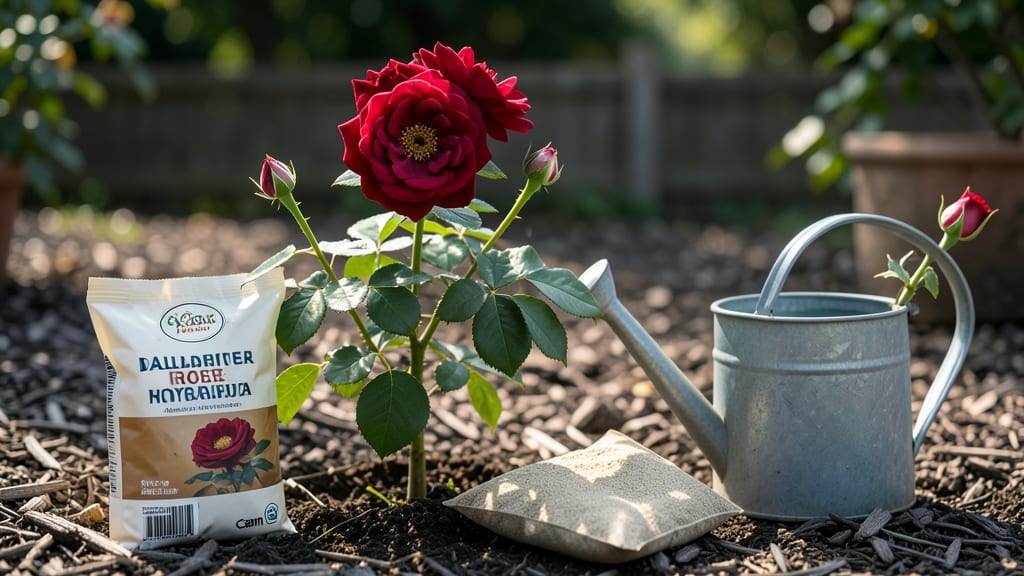
Learn how to make roses bloom more—and watch your garden transform from a handful of flowers to a riot of petals, all without breaking the bank. ✨ The secret isn’t fancy fertilizers or expensive sprays; it’s mastering pruning at the right time and feeding them what they actually crave.
Most gardeners over-prune or wait too late, and that’s exactly what limits blooms.
Start by cutting back last year’s growth by one-third in early spring, right before new shoots appear. This isn’t about shaping—it’s about forcing the plant to focus energy on new growth where blooms form.
I use clean, sharp pruners and make cuts just above an outward-facing bud, which sounds technical but becomes second nature after one season.
After pruning, feed them with a balanced organic fertilizer (like 10-10-10) every 4-6 weeks during growing season. Water deeply once a week rather than daily shallow watering—this encourages deep roots that support more blooms. The payoff? Roses that keep flowering from June until frost, with fewer gaps between blooms.
For nonstop color, repeat the pruning in late summer after the last flush of flowers fades. This second cut triggers a final wave of blooms before winter, and the plants enter dormancy stronger. Works for hybrid teas, floribundas, and even shrub roses—no special varieties needed.
📚 In This Guide
- What you need
- Instructions
- Tips and common mistakes
- Wrapping up and next steps
What you need
- ● Pruning shears or bypass pruners – Sharp, clean blades (avoid dull tools that crush stems). Quantity: 1 pair (or 2 if pruning large bushes).
- ● Garden gloves – Heavy-duty, cut-resistant (thorns are no joke!). Recommended: Nitrile-coated for grip.
- ● Disinfectant (70% isopropyl alcohol or bleach solution) – To sterilize tools between cuts. Mix: 1 part bleach to 9 parts water.
- ○ Pruning saw (optional) – For thick, woody stems (1–2 inches in diameter). Tip: Only needed for mature roses!
- ● Rake or garden fork – To clear debris and loosen soil around the base.
- ● Healthy, established roses – Focus on bushes planted for at least 1–2 years (new plants need time to root!).
- ● Sunlight access – Ensure your roses get 6+ hours of direct sun daily (partial shade = fewer blooms).
- ● Well-draining soil – Amend clay soil with compost or sand if needed. Test: Dig a hole—if water pools, improve drainage!
- ● Watering can or hose with adjustable nozzle – Deep watering (1–2 inches per week) is key after pruning.
- ● Fertilizer (balanced or rose-specific) – Look for a 10-10-10 or 5-10-5 NPK ratio (apply after pruning, not before!).
- ● Mulch (2–3 inches of shredded bark or compost) – Retains moisture and regulates soil temp.
- ● Epsom salt (magnesium sulfate) – Boosts blooms (1 tbsp per gallon of water, spray foliage monthly).
- ● Plant food with bloom enhancers (e.g., fish emulsion or bloom-boosting granules).
- ● Stake or support ties – For climbing roses or heavy blooms (prevents flopping!).
Step-by-Step pruning tricks to trigger nonstop rose blooms
Here's the method I use to coax roses into flowering like crazy—no mystery, just science-backed timing and cuts.
✂️ Step 1: Prune at the Right Time for Maximum Blooms
Prune your roses in early spring when new growth begins—look for swollen buds along the canes. This is when the plant naturally prepares to bloom, and your cuts will encourage more buds to form. Avoid pruning in fall or winter, as the plant needs all its energy to store nutrients for next year's growth.
Use clean, sharp pruners to make 45-degree cuts just above an outward-facing bud. This angle helps water run off the cut and prevents rot. If you see dead or diseased wood, remove it immediately—healthy canes produce more flowers. I like to prune on a dry day when the plant isn't stressed from rain or extreme temperatures.
✂️ Step 2: Cut Back to Encourage Bushier Growth
Remove about one-third of the plant's height to open up the center for airflow and sunlight. This might sound drastic, but roses reward bold pruning with thicker, bushier growth—and more flower buds. Focus on cutting back old canes to about 12-18 inches tall, leaving 3-5 strong buds on each stem.
Watch for thick, woody canes—these are past their prime and won't produce many blooms. Thin these out completely, cutting them back to the ground if needed. You'll see new, vibrant shoots emerge from the base within a few weeks. These young canes are your plant's future bloom producers.
🌿 Step 3: Deadhead and Fertilize for Continuous Blooms
Deadhead spent blooms by cutting back to the first set of five leaves below the flower. This signals the plant to redirect energy into producing new buds instead of seeding. I do this every 2-3 days during peak bloom season—it keeps roses flowering like machines.
After deadheading, feed your roses with a balanced fertilizer (like 10-10-10) to support the extra growth. Water deeply at the base to prevent fungal issues from overhead moisture. You'll notice new buds forming within 7-10 days—that's your reward for staying on top of it.
☀️ Step 4: Adjust Light and Water for Peak Performance
Roses need full sun—6+ hours daily—to produce their best blooms. If your roses are in partial shade, move them or prune nearby trees to open up the canopy. You'll see more buds form and flowers last longer when they get plenty of sunlight.
Water deeply once a week (or more in extreme heat) to encourage deep root growth. Let the top 2 inches of soil dry out between waterings—this prevents root rot while keeping the plant hydrated. Mulch around the base with 2-3 inches of organic mulch to retain moisture and protect roots from temperature swings.
⏰ Step 5: Repeat Pruning for Fall Blooms
Give your roses a light trim in late summer (around August 1) to encourage one last flush of fall blooms. Cut back faded flowers and any overly leggy growth, but don’t go as aggressively as in spring. This keeps the plant active just long enough for a final burst of color before winter.
Stop fertilizing after mid-summer to let the plant harden off for winter. You’ll see a few more blooms before the season ends—and your roses will be strong and healthy for next year’s big show. This final trim is the secret to a long, colorful season.
Tips & tricks for pruning roses for nonstop blooms
These simple but powerful tricks will transform your roses into flowering powerhouses—no green thumb required.
Timing is Everything: Early spring is your golden window for serious pruning, but don't wait until leaves appear—act when you see those first swollen buds pushing through the soil. This is when your roses are already gearing up to bloom, and your cuts will work with nature, not against it. I've seen roses that barely bloomed before transform into nonstop flowering machines after this precise timing. For those late-spring pruners, don't panic—just focus on removing dead wood and shaping the plant.
The 45-Degree Angle Secret: That precise angle on your cuts isn't just for looks—it's a water management system. The sloped cut prevents water from pooling in the wound, which would otherwise invite rot and disease. Think of it like a tiny roof directing rainwater away from your rose's fresh cut. When making these cuts in Step 1, always look for that outward-facing bud right below your cut—this ensures new growth will angle away from the center, creating a bushier, more open plant structure.
Deadheading Discipline: The 2-3 day deadheading schedule in Step 3 might seem like overkill, but here's the science: roses naturally produce seeds after flowering, which diverts energy away from blooms. By cutting back to that first set of five leaves, you're essentially telling the plant, "No seeds, more flowers!" I've had roses that went from sporadic blooms to continuous flowering just by sticking to this schedule. Pro tip: Use clean, sharp pruners each time to prevent spreading disease between cuts.
Light and Water Balance: Those 6+ hours of sunlight in Step 4 aren't just a recommendation—they're non-negotiable for maximum blooms. Roses in partial shade might survive, but they'll struggle to produce their best flowers. For watering, the "2 inches dry between waterings" rule is your moisture sweet spot—enough to prevent root rot but not so much that you're drowning the roots. I've seen roses in containers thrive with this method, especially when paired with that 2-3 inch mulch layer that acts like a plant blanket.
Pro Tips for Make Roses Bloom More
- These simple but powerful tricks will transform your roses into flowering powerhouses—no green thumb required.
- Timing is Everything: Early spring is your golden window for serious pruning, but don't wait until leaves appear—act when you see those first swollen buds pushing through the soil.
- The 45-Degree Angle Secret: That precise angle on your cuts isn't just for looks—it's a water management system.
Frequently asked questions
Got questions about coaxing more blooms from your roses? You’re not alone! Here are some of the most common queries—and straightforward answers—to help you keep those petals popping all season.
Why aren’t my roses blooming even after pruning?
If your roses are still shy about blooms, check their light (6+ hours of sun daily), water (deep soaks 1-2x/week), and nutrients (balanced fertilizer in spring). Over-pruning or stress (like pests or disease) can also stall blooms. Start with the basics, then adjust pruning or care as needed.
When is the best time to prune for maximum blooms?
Timing matters! For most roses, prune in early spring (just as new growth starts) or after a late-winter bloom (like hybrid teas). Avoid pruning in fall—it can encourage tender growth that won’t survive winter. Pro tip: Deadhead spent blooms all season to redirect energy to new flowers!
Can I use coffee grounds or eggshells to boost rose blooms?
Yes! Coffee grounds add nitrogen (great for foliage) and acidity, while crushed eggshells provide calcium for strong stems. Mix used coffee grounds into soil or scatter shells around the base. Just avoid overdoing it—too much coffee can make soil too acidic.
What if my roses bloom once but then stop?
This is often a sign of nutrient depletion or over-pruning. Feed roses with a low-nitrogen, high-phosphorus fertilizer (like 5-10-10) in spring and mid-summer. Also, avoid cutting back more than ⅓ of the plant in one go—gradual pruning keeps energy flowing to blooms.
Are there rose varieties that bloom nonstop with less effort?
Look for repeat-blooming varieties like Knock Out® roses, Floribunda roses, or Grandiflora roses. These are bred to bloom continuously with minimal fuss. Pair them with regular deadheading and light pruning for year-round color!
Wrapping up and next steps
With the right pruning tricks, your roses can burst into vibrant blooms all season long! 🌹 Remember, consistency is key—regular pruning, proper tools, and a little patience will transform your garden into a lush, colorful paradise.
Start by observing your roses and adjusting your approach based on their growth habits.
Ready to see those blooms thrive? Pick one technique from this guide and give it a try this weekend—your roses (and your neighbors!) will thank you. Happy gardening! 🌿