
Pruning
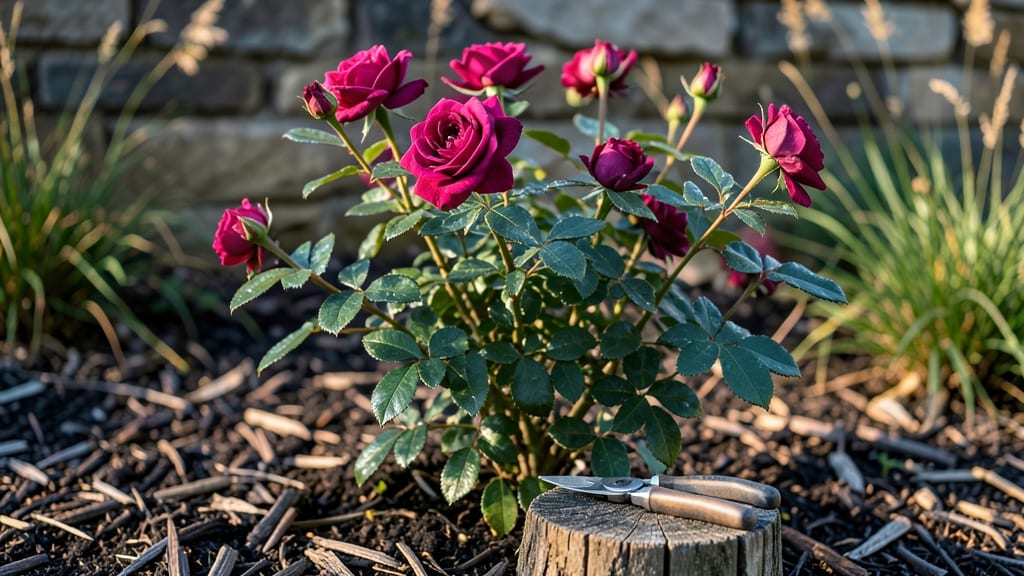
Fall pruning Knock Out roses isn't just about tidying up—it’s the secret to next year’s vibrant, bushier blooms. 🌿 I’ve learned the hard way that skipping this step means leggy, sparse growth by summer. The right cuts now determine how many roses you’ll enjoy in June.
Timing matters most: prune after your first frost or when the plant goes dormant, usually in late fall. Grab your pruners and focus on three key steps—removing dead wood, thinning crowded branches, and shaping for airflow. This isn’t rocket science, but it does require patience to avoid over-pruning.
What you’ll end up with is a neat, healthy shrub that wakes up in spring ready to burst with color. The best part? You’ll spend less time fighting diseases and more time admiring those classic Knock Out blooms all season long.
Works for any Knock Out variety, from ‘Radrazz’ to ‘Double Knock Out,’ and adapts to zones 4 through 9. Let’s get those branches in shape!
📚 In This Guide
- What you need
- Instructions
- Tips and common mistakes
- Wrapping up and next steps
What you need
- ● Pruning shears: Bypass pruners (sharp, 5–8" blades) for clean cuts—1 pair (invest in high-quality stainless steel for durability).
- ● Loppers: Long-handled (for thicker stems, 18–24")—1 pair (look for ratchet-style for ease).
- ● Garden gloves: Cut-resistant (nitrile-coated) to protect hands—1 pair (extra if working with thorns!).
- ● Disinfectant: Rubbing alcohol (70%+) or bleach solution (1:9 ratio)—small spray bottle (sanitize tools between cuts!).
- ● Trash bags: Heavy-duty (for debris)—2–3 bags (or a wheelbarrow if pruning multiple bushes).
- ● Rake or broom: Stiff-bristled—1 (to clear fallen leaves/debris post-pruning).
- ● Hand saw: Pruning saw (for stubborn, thick stems)—1 (only if needed).
- ● Pruning sealant: Tree wound pruning paste (for large cuts > ½")—small tub (controversial but useful for wet climates).
- ● Marking spray: White or pink (to mark cuts if training new growth)—small bottle.
- ● Knee pads: Garden pads—1 pair (for comfort if kneeling).
- ● Notebook & pen: For notes (track pruning dates, bush health, etc.).
- ● ✅ Timing: Prune after first hard frost (when roses are dormant) but before winter freezes (Zone 6–10: late Oct–Nov; colder zones: Nov–Dec).
- ● ✅ Weather: Choose a dry, calm day (no rain for 24 hours post-pruning).
- ● ✅ Safety: Wear long sleeves/pants (Knock Outs have sharp thorns!).
- ● ✅ Research: Sketch your rose bush’s current shape beforehand (or take photos!).
Instructions for pruning Knock Out roses in the fall
Here’s how I revive my Knock Out roses each fall—simple steps that guarantee stronger growth and even more blooms next spring.
✂️ Step 1: Remove Dead and Diseased Wood
Start by cutting out any branches that are completely dead, brown, or showing signs of disease—those blackened canes or mushy stems with spots. Use clean, sharp bypass pruners to make cuts at a 45-degree angle, about ¼ inch above an outward-facing bud. This prevents water from pooling and rotting the wound.
I always prune on a dry day when the roses aren’t damp—wet branches can harbor fungal spores, and you don’t want to spread disease. If you spot any cankers (sunken, crusty areas), cut 6 inches below the affected spot to ensure you remove the entire infected section. Knock Out roses are tough, but they won’t recover from neglected rot.
✂️ Step 2: Thin Out Crowded Branches
Next, focus on the live wood. Knock Out roses bloom on new growth, so you want an open center that lets air and light circulate. Remove branches that cross or rub against each other—these create wounds where pests and disease can take hold. Aim to keep 3-5 strong, outward-facing canes per plant, cutting back to just above a healthy bud.
I like to step back every few cuts to visualize the shape. You’re sculpting, not hacking—think of it like giving your rose a haircut that leaves it looking full but balanced. If a branch is weak or spindly, snip it off at the base. This encourages the plant to put energy into sturdier growth next season.
✂️ Step 3: Lightly Shape for Next Year’s Blooms
For the final touch, give your rose a light overall trim—cutting back the remaining branches by about ⅓ to encourage bushier growth. Focus on shortening the longest stems first, then balance the shape by trimming opposite sides evenly. Avoid heavy pruning now; you’re not shaping for winter dormancy but setting up next year’s framework.
After pruning, I rake up and dispose of all clippings (don’t compost diseased wood). Then, I apply a 2-3 inch layer of mulch around the base to protect roots from freezing temperatures. Water deeply once more to help the plant recover before winter. By spring, you’ll see fresh, vibrant growth—and those famous Knock Out blooms will return in full force.
Tips & tricks for pruning Knock Out roses in the fall
Real talk: Pruning roses can feel intimidating, but these small details make all the difference between a healthy plant and one that struggles next season.
The Tool Factor: Never skip sharpening your bypass pruners before you start—dull blades crush stems instead of cleanly cutting them, which invites disease. I test my pruners by making a clean cut on a scrap piece of wood first. Also, dip your blades in rubbing alcohol between cuts on diseased wood to prevent cross-contamination. This simple step saved my roses from fungal infections last year.
Bud Direction Matters: When making those 45-degree cuts in Step 1, always aim for an outward-facing bud. This encourages new growth to spread outward, creating a fuller, more balanced plant. I mark my cuts with my thumb before snipping to visualize where the new bud will emerge—it’s like giving your rose a roadmap for next year’s growth pattern.
Winter Prep Strategy: That 2-3 inch layer of mulch isn’t just decoration—it’s insulation. After pruning, I add a thick layer of shredded bark mulch, pulling it right up to the base of the plant (but not touching the stems). This protects roots from extreme cold while allowing moisture to penetrate. I also water deeply after mulching to help the plant establish before winter dormancy.
Pro Tips for Pruning Knock Out Roses In The Fall
- Real talk: Pruning roses can feel intimidating, but these small details make all the difference between a healthy plant and one that struggles next season.
- The Tool Factor: Never skip sharpening your bypass pruners before you start—dull blades crush stems instead of cleanly cutting them, which invites disease.
- Bud Direction Matters: When making those 45-degree cuts in Step 1, always aim for an outward-facing bud.
Frequently asked questions
Got questions about pruning your Knock Out® roses in the fall? You’re not alone! Here are answers to the most common concerns—so you can prune with confidence and set your roses up for a show-stopping spring.
When is the exact best time to prune Knock Out roses in the fall?
Prune after the first hard frost (when leaves turn brown and drop) but before winter dormancy sets in—typically late October to mid-November in most U.S. zones. This timing balances disease prevention and winter prep. Avoid pruning too early (when roses are still active) or too late (when frost is deep-rooted).
What if I miss fall pruning? Can I prune in winter or early spring?
You can prune in late winter (February–March) if you missed fall, but it’s less ideal. Winter pruning risks exposing canes to cold damage, while spring pruning (before buds swell) can delay blooms. If you wait until after buds break, you’ll remove potential flowers. Fall is the sweet spot!
Will pruning Knock Out roses in fall kill them or stunt their growth?
No—fall pruning revitalizes Knock Out roses! These hardy shrubs thrive with strategic cuts to remove dead/diseased wood and open airflow. Just avoid over-pruning (never cut more than ⅓ of the plant). Think of it like a haircut: less is more for long-term health.
Do I need to sterilize my pruners between cuts? How?
Sterilizing prevents rose diseases (like black spot) from spreading. Wipe blades with rubbing alcohol (70%+) or a 10% bleach-water solution between cuts. For extra safety, carry a small bottle of hydrogen peroxide (3%) in your pruning toolkit. Pro tip: Store pruners in a dry place to avoid rust.
Should I fertilize or mulch after fall pruning?
Hold off on fertilizing until spring (when new growth starts), but mulch now! Apply 2–3 inches of organic mulch (like shredded bark) around the base to insulate roots and retain moisture. This protects against winter dieback and reduces weeds. Skip synthetic fertilizers—they encourage late-season growth that’s vulnerable to frost.
What if my Knock Out roses look sad after pruning? Am I doing it wrong?
Don’t panic! A freshly pruned rose might look sparse*, but it’s normal. Focus on:
- Healthy canes: Keep cuts at a 45° angle, ¼” above an outward-facing bud.
- No stubs: Avoid leaving nubs (they invite disease).
- Open center: Aim for a vase-like shape to improve airflow.
If roses still look weak in spring, check for pests or nutrient deficiencies (yellow leaves = nitrogen need).
Wrapping up and next steps
Pruning your Knock Out® roses in the fall is a simple yet powerful way to set the stage for next year’s vibrant blooms! 🌸 By removing dead or weak growth, improving airflow, and shaping your plants now, you’ll give them a head start on spring.
With just a few tools and a little time, you can transform your garden into a lush, thriving space.
Ready to take action? Grab your pruners and schedule your pruning session before the first frost—your roses (and future garden) will thank you! For extra confidence, review our step-by-step guide or watch a quick tutorial to ensure you’re on the right track.