
Planting
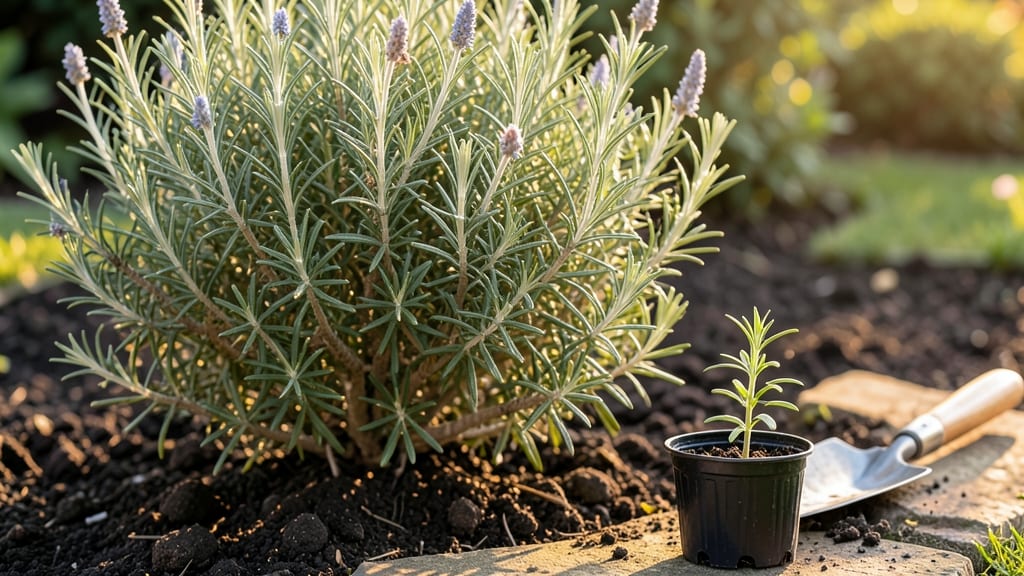
Planting a rosemary bush the right way means fragrant, bushy growth all year—no more leggy stems or sad, sparse foliage.
Picture this: you’ve just brought home a rosemary plant, ready to transform your kitchen garden with its piney scent and culinary magic. But if you skip the soil prep or crowd the bushes too close, you’ll end up with a plant that struggles to thrive.
The secret? Well-draining soil, plenty of sunlight, and just the right spacing to let those branches spread without competing for nutrients.
Rosemary isn’t fussy, but it does hate soggy feet and shade. In USDA Zone 6a, planting in March or April gives it the best start, but the real game-changer is getting the basics right.
Too much water? Goodbye, rosemary. Too little sun? You’ll be left with a sad, stretched-out herb that barely smells like itself.
In this guide, I’ll walk you through every step—from picking the perfect spot to spacing, watering, and the first pruning that keeps your 🌿 rosemary bush lush and productive. No guesswork, just proven tips for a thriving plant that’ll reward you with fresh sprigs for years.

Step-by-step rosemary planting guide for optimal growth
Planting a rosemary bush is simpler than you think, but the key to long-term success lies in the details—like soil prep, planting depth, and watering techniques.
Whether you're tucking it into your herb garden or growing it in a container, these steps ensure your rosemary thrives for years with minimal effort. Let’s dive into the expert-tested process that’ll have your rosemary bush fragrant and flourishing in no time!
Rosemary is a drought-tolerant perennial that loves well-draining soil and full sun exposure. The biggest mistake gardeners make? Overwatering or planting it in heavy, compacted soil.
By following these steps, you’ll create the perfect conditions for your rosemary to establish strong roots and grow into a bushy, aromatic powerhouse. Ready to get started?
-
1
Choose the Right Location
Select a spot with 6+ hours of direct sunlight daily. Rosemary hates shade—it’ll grow leggy and lose its signature piney fragrance. For container growing, place near a south-facing window or balcony with full sun exposure.
-
2
Prepare the Soil
Rosemary despises soggy soil. Amend your garden bed with coarse sand or perlite (20-30%) to improve drainage. For in-ground planting, mix in compost for nutrients, but avoid heavy clay. Container soil should be a blend of potting mix + sand (60/40 ratio).
-
3
Dig the Hole
For ground planting, dig a hole twice as wide as the root ball but only slightly deeper. Loosen the sides to encourage root spread. If using a container, ensure it has drainage holes and is at least 12 inches deep for mature plants.
-
4
Plant at the Right Depth
Remove the rosemary from its nursery pot and gently loosen the roots. Place it so the top of the root ball sits level with the soil surface—never bury the stem. For containers, leave 1-2 inches of space between the plant and rim for watering.
-
5
Backfill and Water
Fill the hole with soil and press gently to remove air pockets. Water deeply (about 500ml) to settle the soil, but avoid creating a muddy mess. For containers, water until it drains from the bottom. Let excess water escape completely.
-
6
Mulch and Space Properly
Apply a 2-inch layer of gravel or coarse mulch around the base to prevent soil compaction and retain moisture. Space ground-planted rosemary 3-4 feet apart—they spread over time! For containers, group 3-5 plants together for a lush display.
-
7
Water Wisely
Rosemary is drought-tolerant, so water deeply but infrequently. Aim for once every 7-10 days (more in extreme heat). Water at the base of the plant in the morning to reduce evaporation and fungal risks. Never let it sit in wet soil—this is the #1 killer of rosemary!
After planting, resist the urge to fertilize—rosemary thrives in lean soil. Instead, focus on pruning to encourage bushier growth. Once established, your rosemary will reward you with year-round harvests of fragrant sprigs, perfect for cooking or garnishes
Ideal rosemary spacing and sunlight requirements for year-round harvests
Rosemary thrives when given the right balance of space and sunlight, which directly impacts its growth, flavor, and disease resistance. Unlike many herbs, rosemary grows best with ample air circulation and intense sunlight, mimicking its Mediterranean origins. Proper spacing prevents fungal issues while maximizing your harvest potential.
For ground-planted rosemary, space bushes 3 to 4 feet apart to allow airflow and room for mature growth. In containers, keep spacing tighter at 6 to 8 inches between plants, but ensure pots have drainage holes. Overcrowding leads to weak stems and poor flavor development.
| Planting Method | Spacing Requirement | Sunlight Needs | Mature Size |
|---|---|---|---|
| Ground Planting | 3–4 feet apart | 6+ hours direct sun | 3–6 feet tall |
| Containers | 6–8 inches apart | 6+ hours direct sun | 1–3 feet tall |
| Partial Sun (Cooler Climates) | 3–4 feet apart | 4–6 hours direct sun | 2–4 feet tall |
Rosemary demands full sun exposure—6+ hours of direct sunlight daily is non-negotiable for optimal growth. In hotter climates, afternoon shade prevents leaf scorch, but morning sun remains critical. If growing indoors, place near a south-facing window or use grow lights for 6 hours daily.
Skipping sunlight requirements leads to leggy growth and weak stems. I’ve seen rosemary plants in shaded spots stretch toward light, becoming sparse and flavorless. Disease resistance also drops without proper sun, making plants vulnerable to powdery mildew. Test your spot with a sunlight tracker for 24 hours to confirm.
For year-round harvests, prioritize well-draining soil and consistent sunlight. Mulch around the base with gravel or pine needles to retain moisture while preventing root rot. Prune regularly to encourage bushier growth, but never cut into old wood—this kills the plant.
Even in cooler climates, rosemary adapts to partial sun (4–6 hours daily), but flavor and growth suffer. If your garden lacks full sun, opt for dwarf varieties like 'Blue Spires' or 'Prostratus,' which tolerate slightly shadier conditions while still yielding aromatic leaves.