
Pruning
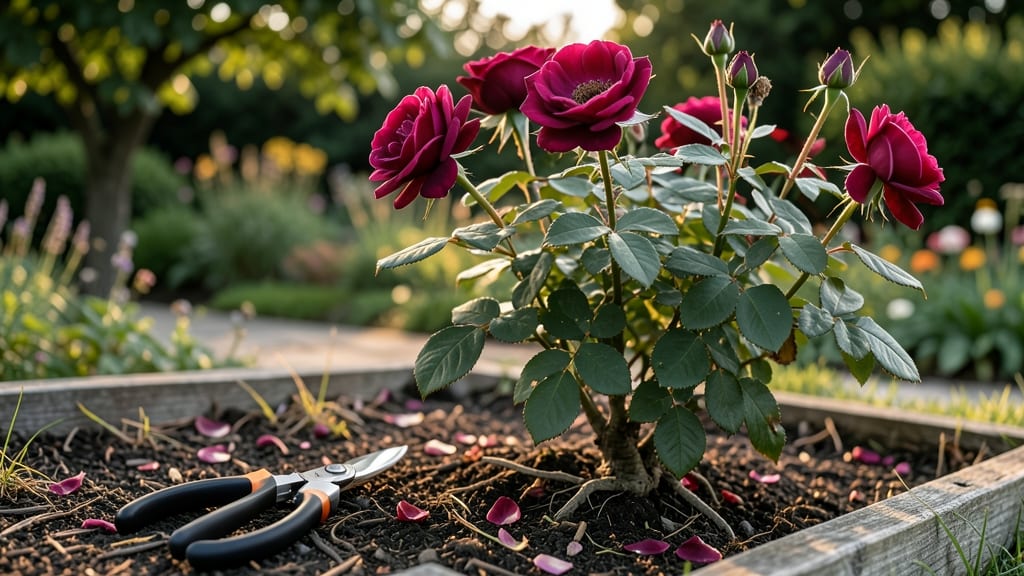
Learn how to properly prune a rose bush the right way—it’s not about hacking away branches but making strategic cuts to coax lush, year-round blooms and keep your roses thriving. ✂️ technique, and understanding what each cut achieves.
A single misstep can leave your bush looking bare or stressed, but when done right, you’ll see fresh shoots within weeks and blooms that last all season.
The best time to prune depends on your climate and rose type, but most gardeners tackle it in late winter or early spring while the bush is still dormant.
Hybrid teas and floribundas respond well to this approach, while shrub roses benefit from lighter cuts in early summer to promote fall blooms.
You’ll need sharp bypass pruners, rubbing alcohol for sterilizing cuts, and a clear plan—because every snip should have a purpose, whether it’s removing dead wood, thinning crowded canes, or shaping the bush for airflow.
Start by removing any dead, diseased, or crossing branches—these steal energy from healthy growth. Next, cut back last year’s blooms to an outward-facing bud, about ¼ inch above it, to encourage outward growth and prevent a leggy center.
For hybrid teas, aim for 3-5 main canes, while shrub roses can handle more. The goal is a bush that looks like an open vase, not a closed fist, so lighten up if you’re tempted to go heavy-handed—over-pruning stresses the plant and delays blooming.
After pruning, clean up fallen debris to prevent fungal diseases, and feed your roses with a balanced fertilizer to support new growth. Within 2-3 weeks, you’ll see fresh green shoots pushing through, and by summer, those careful cuts will reward you with fuller blooms and stronger stems.
The key is consistency—prune at the right time each year, and your roses will thrive for decades. Now grab those shears and let’s get started!
📚 In This Guide
- What you need
- Instructions
- Tips and common mistakes
- Wrapping up and next steps
What you need
- ● Bypass Pruners: A sharp, high-quality pair (e.g., Felco or Fiskars) to make clean cuts. Size matters! Choose 6-8" for most roses.
- ● Loppers: For thicker stems (½"–1.5" diameter). Opt for a 16-20" handle for leverage.
- ● Hand Saw: For stubborn, thick canes (2" diameter or larger). A pruning saw with a curved blade works best.
- ● Disinfectant (70% Isopropyl Alcohol or Bleach Solution): Clean tools between cuts to prevent disease spread.
- ● Garden Gloves: Heavy-duty, cut-resistant gloves (e.g., Mechanix or Dr. McGill’s) to protect your hands.
- ● Rubbing Alcohol or Hydrogen Peroxide: For sterilizing cuts on the rose bush if needed.
- ○ Pruning Sealant (Optional): A fast-drying product (like Tanglefoot Tree Wound Pruning Seal) for large cuts to prevent disease.
- ● Pruning Shears with a Bypass Blade: For delicate trimming of small stems or deadheading.
- ● Garden Twine or Zip Ties: To secure heavy canes or support new growth.
- ● Wheelbarrow or Bucket: For collecting pruned branches and debris.
- ● Sharpie or Permanent Marker: To label canes if you’re training your rose bush (e.g., marking new leaders).
- ● Knee Pads or Stool: For comfort during long pruning sessions.
- ● Choose the Right Season: Prune in late winter/early spring (before new growth) or after blooming (summer). Avoid pruning in fall in cold climates.
- ● Check the Weather: Prune on a dry, cloudy day to reduce stress on the plant. Avoid pruning if rain is forecasted within 24 hours.
- ● Assess Your Rose Type: Know whether your rose is a climber, shrub, hybrid tea, or old garden rose—pruning techniques vary!
- ● Plan Your Cuts: Sketch a rough diagram of your rose bush to visualize where you’ll make cuts for balance and airflow.
Step-by-Step guide to pruning a rose bush for year-round blooms
Here’s my foolproof method for pruning roses—timed perfectly to boost health and flowers.
✂️ Step 1: Trim Dead or Diseased Wood First
Start by removing any blackened, mushy, or hollow stems—they won’t recover. Cut these at least 6 inches below the damage, using sharp bypass pruners. You’ll see healthy wood inside, marked by green or light brown centers. This step prevents disease from spreading to the rest of the bush.
I always prune on a dry morning when the plant is dormant (late winter/early spring). If you spot cankers (sunken, crusty areas), sterilize your tools with rubbing alcohol between cuts. This ensures clean pruning wounds that heal faster.
✂️ Step 2: Shape the Bush by Cutting Back Last Year’s Growth
Next, reduce last year’s stems by one-third to one-half their length. Make cuts just above an outward-facing bud (about ¼ inch above) to encourage new growth that opens the center of the bush. Avoid leaving stubs—they trap moisture and invite rot.
Step back often to check your shape. Aim for a vase-like form with the widest part at the base. If your rose is climbing, prune to maintain a strong framework of 4-6 main stems, cutting back side shoots to 12-18 inches long.
☀️ Step 3: Thin Out Overcrowded Stems
Look for stems growing inward or crossing others—these compete for sunlight and air flow. Remove every other stem in crowded areas, cutting all the way back to the base. This improves airflow and reduces fungal risks like black spot.
I prioritize stems with the most vigorous buds. If two stems emerge from the same spot, keep the stronger one and prune the weaker to the ground. You’ll know it’s the right choice when new shoots appear evenly spaced.
⏰ Step 4: Light Pruning for Summer Blooms
After the first flush of flowers fades, give your rose a light trim to encourage a second bloom cycle. Cut back spent blooms to the first healthy leaf below (the 5-leaflet leaf), not the weak growth just above it. This redirects energy to new buds.
Remove any suckers (shoots growing from the base) immediately—they drain the bush’s energy. In fall, do a final cleanup by cutting back any weak, thin, or spindly growth to 12-18 inches tall. This prepares the bush for winter dormancy.
🌿 Step 5: Clean Up and Protect Wounds
After pruning, rake up all debris and dispose of it in the trash (never compost diseased material). Dip your pruners in a 1:10 bleach-water solution to sterilize them. Finally, apply a rose-pruning sealant (like tree wound paint) to cuts larger than ½ inch to prevent disease entry.
Water deeply afterward to help the plant recover. You’ll see fresh, green growth within 2-3 weeks—that’s your sign the pruning worked. For repeat bloomers, fertilize lightly with balanced rose food after new shoots appear.
Tips & tricks for perfect rose pruning
These simple but game-changing tips will help you prune like a pro and keep your roses blooming all season long.
Tool Prep is Non-Negotiable: Before you even touch a stem, make sure your bypass pruners are razor-sharp. Dull blades crush stems instead of making clean cuts, which invites disease. I keep a small file in my gardening toolkit to sharpen blades between seasons. For larger branches, grab your loppers—never use them on small stems, as they can damage the plant. And always sterilize your tools with rubbing alcohol between cuts, especially when dealing with diseased wood.
Bud Selection Matters More Than You Think: In Step 2, when cutting back last year's growth, focus on outward-facing buds—they're your secret weapon for an open, airy bush shape. Look for buds that point away from the center of the plant and are positioned on the upper third of the stem. These buds will grow outward, creating that beautiful vase shape we're aiming for. Pro tip: If you're unsure which way a bud is facing, make your cut just above it and the new growth will tell you if you got it right.
Timing Your Pruning for Maximum Blooms: The late winter/early spring timing in Step 1 is critical because roses bloom on new wood. Pruning too late can remove potential flower buds before they form. For repeat bloomers, that summer light trim in Step 4 is what keeps them flowering all season. I always mark my calendar for the first week of March—this gives the plant enough time to recover before spring growth kicks in. If you're in a warmer climate, you might need to prune slightly later, but never after new growth appears.
The 5-Leaflet Leaf Rule: When doing your summer light trim in Step 4, always cut back to the first healthy 5-leaflet leaf below spent blooms. This ensures you're cutting at the right node where new buds will form. The 5-leaflet leaf is distinctive—it's larger and has five distinct leaflets (not the smaller 3-leaflet leaves that appear later). This simple rule guarantees you'll get that second flush of blooms without sacrificing next year's flowers.
Pro Tips for Properly Prune A Rose Bush
- These simple but game-changing tips will help you prune like a pro and keep your roses blooming all season long.
- Tool Prep is Non-Negotiable: Before you even touch a stem, make sure your bypass pruners are razor-sharp.
- Bud Selection Matters More Than You Think: In Step 2, when cutting back last year's growth, focus on outward-facing buds—they're your secret weapon for an open, airy bush shape.
Frequently asked questions
Got questions about pruning your rose bush? You’re not alone!
Here are some of the most common concerns—plus clear, actionable answers to keep your roses thriving.
When is the worst time to prune a rose bush?
Prune after a hard frost (late winter) or during active blooming (summer), and you risk stressing the plant. Avoid heavy pruning in fall—this invites disease and weakens winter survival. Stick to light shaping or deadheading instead. Pro tip: If you must prune in summer, do it in the morning to reduce stress.
Can I prune roses in spring before new growth starts?
Yes, but time it right! Prune in early spring (just as buds swell but before leaves emerge) for hybrid teas and floribundas. Wait until late spring for climbers and shrub roses—this gives them a head start on growth. Watch for: Frost warnings; prune too early, and you’ll risk damaging tender new shoots.
What if I cut too much off by mistake?
Don’t panic! Roses are resilient. If you’ve over-pruned (e.g., cut back to bare stems), the plant will still recover—just feed it well (balanced fertilizer) and water deeply. For severe cases, prune again in summer to encourage bushier growth. Remember: It’s better to under-prune than overdo it!
Do I need special tools for pruning roses?
Not necessarily! While rose pruners (with bypass blades) are ideal, clean, sharp any pruners or even shears work in a pinch. Just sanitize tools with rubbing alcohol between cuts to prevent disease. Skip: Dull tools—they tear stems and invite infections.
Why are my roses growing weeds or long, skinny canes after pruning?
Skinny canes (called "watersprouts") steal energy from blooms. Snip them at the base! Weeds? Mulch heavily (2–3 inches) to block light. For future pruning, focus on outward-facing buds when cutting—this encourages a fuller bush. Quick fix: Prune in stages over spring/summer to avoid overstimulating growth.
Still stumped? Drop your rose-pruning woes below—we’re happy to help!
Wrapping up and next steps
Pruning your rose bush might seem intimidating at first, but with the right tools, timing, and technique, you’ll unlock vibrant blooms and healthier growth all season long! 🌹 Remember: cut back with confidence, focus on open centers, and avoid over-pruning—your roses will thank you with lush, thriving foliage.
Now that you’re armed with these expert tips, why not take action this weekend? Grab your pruners, step outside, and give your roses the care they deserve—your garden (and future bouquets!) will reward you.