
Blooming
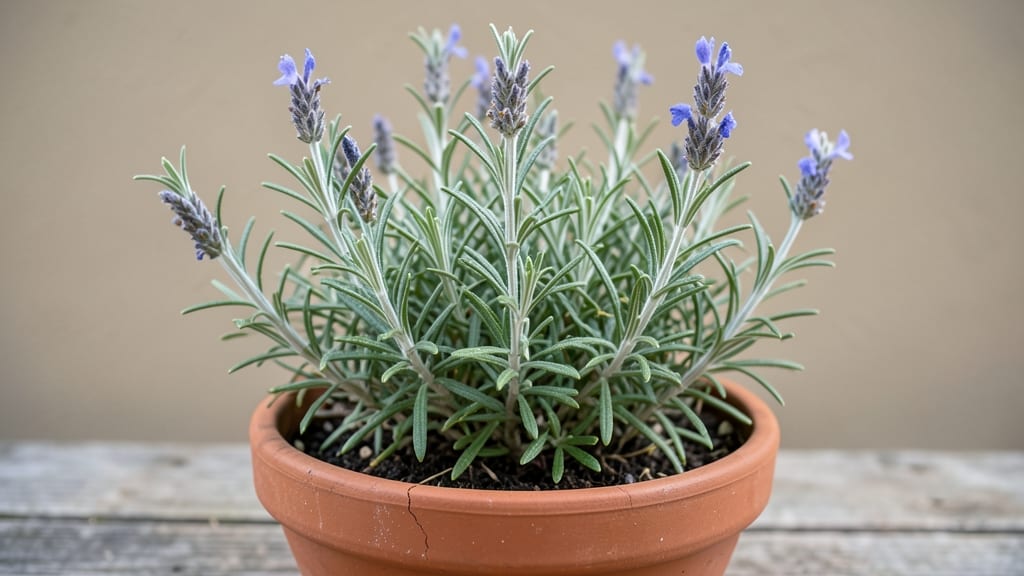
Learn how to take rosemary the easy way—two simple cuts keep this hardy herb thriving year-round with no fancy tools or green thumb needed. 🌿 I’ve been growing it for years, and the secret to its lush, fragrant growth boils down to timing and technique.
Whether you’re pruning for shape or harvesting sprigs, these two cuts will transform your rosemary from scraggly to showstopping.
Rosemary loves full sun and well-draining soil, but it’s surprisingly forgiving about water—overwatering kills it faster than underwatering. Start with a 3-5 gallon pot for container plants, or tuck it into a sunny garden bed.
The key? Prune after flowering to encourage bushier growth, and harvest sprigs from the top to keep the plant compact and productive.
By mid-summer, you’ll have vibrant green stems packed with piney fragrance, perfect for cooking or fresh bouquets. The best part? Rosemary keeps growing—even in winter—if you protect it from frost.
A light mulch or moving pots indoors (near a sunny window) ensures it stays alive and ready for your next dish.
Works for indoor pots, outdoor beds, or even as a living border. The only mistake I’ve made? Waiting too long to prune. Don’t let yours get leggy—snip those stems now and watch it flourish!
📚 In This Guide
- What you need
- Instructions
- Tips and common mistakes
- Wrapping up and next steps
What you need
- ● Ready to unlock rosemary’s magic? Whether you’re sipping tea, whipping up a dish, or crafting DIY remedies, here’s what you’ll need to get started—no fancy tools required! 🌿✨
- ● Pro tip: 💡 If using fresh rosemary, pat the sprigs dry before cutting to prevent mold in stored bundles!
Step-by-Step guide to harvesting rosemary for year-round fragrance
Rosemary thrives with minimal fuss—just two strategic cuts keep it lush and aromatic all year.
🌿 Step 1: Identify the Right Time to Prune
Harvest rosemary in early spring or late summer when new growth appears. This timing ensures you're cutting just above a leaf node (where branches meet the stem), which encourages bushier growth. Avoid pruning in mid-summer drought—the plant needs moisture to recover.
Look for woody stems—these are mature and ready for trimming. New growth is soft and green, while older wood turns brownish-gray. Cutting back older stems prevents the plant from becoming overgrown and woody. You'll know it's time when the plant looks leggy or when you notice fewer flowers.
✂️ Step 2: Use Sharp Pruners for Clean Cuts
Use clean, sharp pruning shears to make cuts at a 45-degree angle just above a leaf node. This angle prevents water from pooling on the cut, which could rot the stem. If you don't have pruners, clean kitchen scissors work in a pinch—but sterilize them first with rubbing alcohol.
Never cut more than one-third of the plant at once. Rosemary is hardy, but aggressive pruning stresses it. Focus on shaping the plant by trimming outer growth first. This opens up the center for airflow, reducing disease risk. After cutting, inspect the plant for any dead or diseased branches—remove those immediately.
🌱 Step 3: Encourage Regrowth with Proper Care
After pruning, water the rosemary deeply but infrequently—about once every 7-10 days unless your soil is sandy (then every 5-7 days). Overwatering suffocates roots, while underwatering causes the plant to become brittle. Check soil moisture by sticking your finger 1 inch deep—if it feels dry, water.
Place your rosemary in full sun (at least 6-8 hours daily) and a spot with well-draining soil. If grown in a pot, ensure it has drainage holes. Fertilize lightly in spring with a balanced, water-soluble fertilizer (like 10-10-10) diluted to half strength. Avoid heavy-handed feeding—rosemary prefers lean soil.
🌿 Step 4: Harvest for Culinary or Decorative Use
For culinary use, snip 3-4 inch sprigs from the tips of branches. These are the most flavorful and tender. Rinse briefly under cold water to remove dust, then pat dry with a paper towel. Store in the fridge wrapped in a damp paper towel for up to 2 weeks, or freeze sprigs in an airtight container for 6 months.
For decorative use, bundle fresh sprigs and hang them in a dry, dark place for 2-3 weeks until fully dried. Once dry, store in an airtight container away from light. Dried rosemary retains its aroma for up to a year. If you notice the stems turning brittle or the leaves crumbling, it’s time to replace them.
⏰ Step 5: Maintain Year-Round with Seasonal Adjustments
In winter, reduce watering—rosemary goes semi-dormant in cold climates. If grown in a pot, move it indoors near a south-facing window or under grow lights for 12-14 hours daily. Avoid heat sources like radiators, which dry out the air and stress the plant.
Every 2-3 years, refresh your rosemary by taking hard cuttings in spring. Snip 4-6 inch sections of healthy new growth, strip the lower leaves, and root them in sandy soil. Keep the soil moist and place in bright, indirect light until roots form (about 4-6 weeks). This rejuvenates older plants and gives you free new starts.
Tips & tricks for perfect rosemary maintenance
Between us, rosemary is one of the most forgiving herbs you can grow—if you know the right tricks. These simple insights will keep your plant thriving for years with minimal effort.
Pruning Precision: When you're making those strategic cuts in Step 1, focus on removing stems that are at least one-third woody. The key is to cut just above a leaf node where you can see a tiny bump—this is where new growth will sprout. I learned this the hard way after pruning too close to the base and losing entire branches. Look for stems that are pencil-thick or thicker—these are your targets for shaping the plant.
Tool Selection Matters: While clean kitchen scissors work in a pinch (as mentioned in Step 2), I strongly recommend investing in a small pair of bypass pruners for this job. The clean cut prevents tearing, which reduces stress on the plant. If you don't have pruners, sterilize your scissors with rubbing alcohol—this prevents spreading disease between cuts. Never use dull tools, as they crush stems instead of making clean cuts.
Seasonal Watering Wisdom: The 7-10 day watering schedule in Step 3 works perfectly in most climates, but here's the secret: rosemary actually prefers underwatering slightly to overwatering. In winter, when you reduce watering as instructed, let the top 2 inches of soil dry out completely before watering again. The plant's natural resilience means it can handle brief dry spells better than soggy conditions, which lead to root rot.
Harvesting Hack for Maximum Flavor: For culinary use in Step 4, always harvest from the tips of branches where the newest growth appears. These tender shoots contain the most essential oils and flavor. If you're making a large batch of rosemary for drying, harvest on a dry morning after dew has evaporated—this preserves the oils better than harvesting after rain. You'll notice the aroma is strongest right after cutting, so use immediately or process quickly for drying.
Pro Tips for Take Rosemary
- Between us, rosemary is one of the most forgiving herbs you can grow—if you know the right tricks.
- Pruning Precision: When you're making those strategic cuts in Step 1, focus on removing stems that are at least one-third woody.
- Tool Selection Matters: While clean kitchen scissors work in a pinch (as mentioned in Step 2), I strongly recommend investing in a small pair of bypass pruners for this job.
Frequently asked questions
Got questions about rosemary? You’re not alone! Here are some of the most common queries—and their easy answers—to help you master this fragrant, versatile herb like a pro.
Can I take rosemary internally, or is it just for cooking?
Rosemary is safe for internal use in moderate amounts (e.g., as a tea or culinary herb). However, avoid excessive doses—stick to 1–2 tsp of dried leaves or 1–2 tbsp of fresh per day. Always consult a doctor if you’re pregnant, nursing, or on medications, as rosemary may interact with blood thinners or stimulate uterine contractions.
What’s the best time of day to harvest rosemary for tea or cooking?
Harvest rosemary in the morning after the dew has dried (around 9–11 AM) for the strongest flavor and aroma. Avoid harvesting after rain, as moisture can dilute oils. For year-round use, store fresh sprigs in the fridge (wrapped in a damp paper towel) or freeze them—both preserve flavor for up to 6 months!
How do I make rosemary tea, and does it really help with memory?
Simply steep 1–2 tbsp of fresh or 1 tbsp dried rosemary in 1 cup of hot (not boiling) water for 5–10 minutes. Strain and enjoy! While rosemary contains rosmarinic acid (linked to cognitive benefits), more research is needed. For best results, sip it daily—but don’t replace medication for memory concerns without consulting a healthcare provider.
What’s a good substitute if I don’t have rosemary?
In a pinch, swap rosemary for:
- Thyme (milder, earthy flavor—great for roasted meats)
- Oregano (stronger, works well in Mediterranean dishes)
- Marjoram (sweeter, pairs with poultry or soups)
Why does my rosemary smell weaker after cutting?
Weak scent usually means oxidation or low oil content. To fix it:
- Store sprigs loosely wrapped in paper towels in the fridge (not airtight containers).
- Revive wilted rosemary by trimming stems and placing them in water for a few hours.
- Use younger sprigs—older branches have less aromatic oil.
Wrapping up and next steps
Incorporating rosemary into your life is easier than you think—just two simple cuts can bring its fragrant magic year-round! Whether you’re brewing tea, crafting homemade remedies, or enhancing dishes, this versatile herb offers both aroma and wellness benefits.
Start with fresh sprigs from your garden or a trusted source, and let your creativity guide you.
Ready to elevate your space and well-being? Grab a pair of scissors, pick your favorite method, and enjoy the journey! 🌿✨ Which rosemary recipe will you try first?