
Pruning
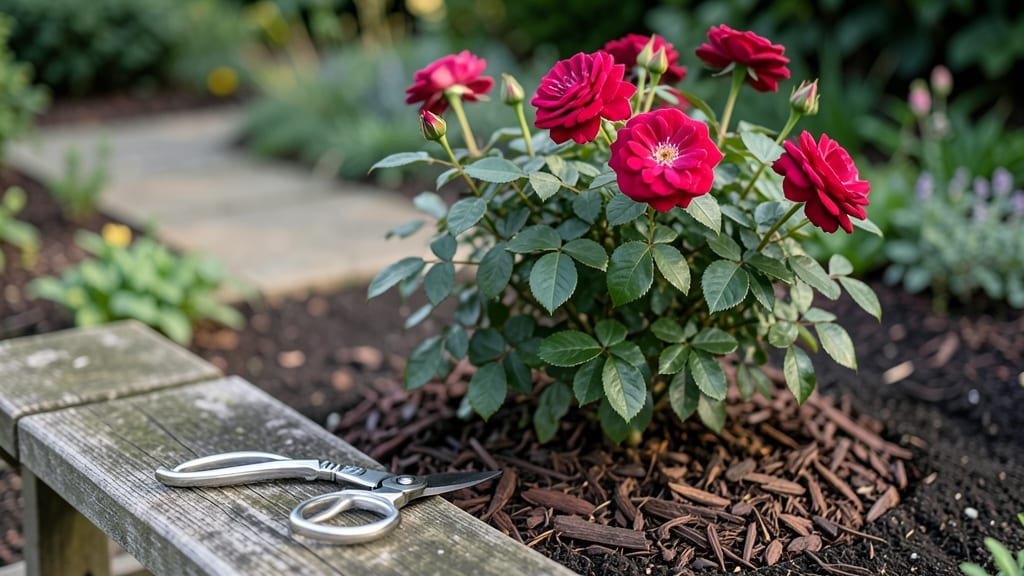
Trimming Double Knockout roses isn't just pruning—it's unlocking their legendary nonstop blooms. ✨ I've learned the hard way that skipping deadheading means fewer flowers and more leggy stems by summer. The secret lies in timing, technique, and knowing exactly where to cut.
You'll need sharp pruners, a clean bucket for clippings, and a sunny day (morning is best). The goal is to shape the bush while encouraging new growth from the base. Cut just above a leaf node at a 45-degree angle—this prevents water from pooling and causing rot.
After trimming, you'll see fresh red shoots emerge within 10-14 days, with the first wave of blooms arriving in 4-6 weeks. The plants stay compact, produce more flowers, and resist disease better than unpruned bushes.
Just avoid cutting into old wood (gray, not green) or you'll stunt future growth. This method works year-round for deadheading, but late winter/early spring is prime time for major shaping. Even my black thumb can't mess this up if you follow these steps!
📚 In This Guide
- What you need
- Instructions
- Tips and common mistakes
- Wrapping up and next steps
What you need
- ● Bypass pruners – Sharp, clean pruners (4-6" blades) for precise cuts. Pro tip: Disinfect with rubbing alcohol between cuts to prevent disease! 💡
- ● Hand pruners (felco or similar) – For smaller stems and tighter spaces.
- ○ Loppers (optional but helpful) – For thicker stems (8-12" blades) if your roses are mature.
- ● Garden gloves – Heavy-duty, long-cuffed gloves to protect from thorns and scratches.
- ● Disinfectant (70% isopropyl alcohol or bleach solution) – 1 part bleach to 9 parts water for sterilizing tools.
- ● Garden twine or rubber bands – To secure large stems post-pruning if needed.
- ● Rubbing alcohol wipes – For quick tool disinfection on the go.
- ● Garden shears – For shaping larger canes if you’re feeling fancy!
- ● Pruning saw (rarely needed) – Only for very thick, woody stems.
- ● Compost bin or bag – To collect pruned stems for mulch or disposal.
Step-by-Step guide to trimming Double Knockout roses
Here's the foolproof method I use to keep my Double Knockouts blooming all season long.
✂️ Step 1: Time Your First Cut Right After Spring's Last Frost
Wait until you see 5-7 new leaves unfurl on each stem—this signals the plant has fully recovered from winter dormancy. I always check the weather first; if frost is predicted within 48 hours, delay trimming. Use sharp, clean pruners to make cuts at a 45-degree angle, about ¼ inch above an outward-facing bud.
This angle prevents water from pooling on the cut, which could rot the stem. Remove any dead, diseased, or crossing branches first—they'll compete with healthy growth. I like to shape the plant into a slightly rounded form, wider at the base than the top, to encourage airflow and sunlight penetration.
✂️ Step 2: Deadhead Spent Blooms to Encourage New Growth
As soon as flowers fade, snip the stem back to the first set of five leaves below the bloom. This is where the plant stores energy for new shoots. Double Knockouts are repeat bloomers, so consistent deadheading keeps them producing flowers instead of seed pods.
Don't cut into old wood—you'll know you're too low if the stem feels woody and the leaves are small and spaced far apart. I check my roses every 3-4 days during peak bloom season; if I see more than 2-3 spent blooms on a stem, it's time to trim again.
✂️ Step 3: Light Pruning Throughout the Growing Season
Every 4-6 weeks, give your roses a quick once-over. Look for stems growing inward or crossing others—these compete for sunlight and nutrients. Cut them back to the base of the plant. Also remove any suckers (shoots growing from the base) immediately; they drain energy from your main plant.
Here's the thing—Double Knockouts handle pruning better than most roses, but don't go overboard. If you see new growth slowing down, you've likely pruned too aggressively. The goal is to maintain the plant's natural shape while encouraging bushier growth at the base.
✂️ Step 4: Final Trim Before Winter to Prepare for Dormancy
When nighttime temperatures consistently drop below 40°F, it's time for your last trim of the year. Cut back all stems to about 18-24 inches tall, removing any dead or diseased wood completely. This shape makes it easier to cover the plant for winter protection.
Leave the strongest canes—these will produce next year's blooms. I always clean my pruners with rubbing alcohol between cuts to prevent spreading disease. After trimming, apply a 2-3 inch layer of mulch around the base to insulate roots from freezing temperatures.
💧 Step 5: Post-Pruning Care for Healthy Recovery
Water deeply right after trimming to help the plant recover. The roots need moisture to support new growth, especially after such a major cutback. I aim for 1-1.5 inches of water per week, either from rainfall or irrigation, adjusting for your local climate.
Apply a balanced 10-10-10 fertilizer 2-3 weeks after your first spring trim to give the plant a nutrient boost. Double Knockouts are forgiving, but they'll reward you with more blooms if you feed them properly. Keep an eye out for aphids or Japanese beetles—they love fresh new growth.
Tips & tricks for perfectly pruned Double Knockout roses
These little details make all the difference between a few blooms and a bush bursting with color.
Tool Prep: Always sterilize your pruners between cuts—especially when trimming diseased branches. I use a 1:9 ratio of bleach to water for a quick soak between roses, or keep rubbing alcohol in my tool pouch. Clean tools prevent spreading fungal infections that can weaken your plants. Sharp pruners also matter: dull blades crush stems instead of making clean cuts, which stresses the plant and invites disease.
Visual Cue for Step 1: When you're waiting for those 5-7 new leaves after frost, look for the "unfurling" stage where leaves are still curled but starting to flatten out. This is your perfect window—waiting too long means missing the ideal spring growth surge. I mark my calendar for 2-3 weeks after the last frost date as a reminder to check my roses.
Deadheading Shortcut: For the first set of five leaves below a bloom, count down from the flower: one leaf cluster, two, three, four, five—stop there. This is where the plant stores energy for new shoots. If you cut too low, you're removing potential growth points. I like to use my thumb as a guide: when I can fit my thumb between the bloom and the fifth leaf cluster, I know I'm in the right spot.
Seasonal Timing: The 4-6 week light pruning schedule works best when you think of it as "quarterly checkups" for your roses. I set phone reminders for March, June, September, and December to keep this routine on track. If you're in a warmer climate where roses bloom year-round, you might need to adjust to every 3-4 weeks instead.
Pro Tips for Trim Double Knockout Roses
- These little details make all the difference between a few blooms and a bush bursting with color.
- Tool Prep: Always sterilize your pruners between cuts—especially when trimming diseased branches. I use a 1:9 ratio o...
- Visual Cue for Step 1: When you're waiting for those 5-7 new leaves after frost, look for the "unfurling" stage where...
Frequently asked questions
Got questions about keeping your Double Knockout roses looking their best? Here are some common ones—and expert answers!
When is the best time to trim Double Knockout roses?
Trim your roses throughout the growing season—spring, summer, and early fall. Avoid heavy pruning in late fall or winter, as these roses bloom repeatedly and need consistent deadheading to encourage new growth. Pro tip: Focus on removing spent blooms every 2–3 days during peak bloom for nonstop color!
How much should I cut back when trimming?
For Double Knockout roses, aim to cut back to a healthy leaf node (a point where leaves grow out from the stem). Avoid "topping" (cutting too far back), as this can shock the plant. A general rule: Remove 1/3 of the stem when deadheading, but adjust based on the plant’s shape and health.
What if my roses stop blooming after trimming?
If your roses stop blooming, check for these issues:
- Over-pruning: Cutting too aggressively can reduce flowering.
- Lack of sunlight: Ensure they get 6+ hours of sun daily.
- Nutrient deficiency: Fertilize with a balanced rose food every 4–6 weeks.
- Disease or pests: Inspect for black spot, powdery mildew, or aphids.
Can I trim Double Knockout roses in rain or after heavy rain?
It’s best to avoid trimming after rain because wet tools and stems can spread disease. Wait until the foliage is completely dry (morning or late afternoon on sunny days). If you must trim in damp conditions, sterilize your shears with rubbing alcohol and avoid cutting into wet, diseased stems.
Are there any alternatives to deadheading for busy gardeners?
If deadheading feels tedious, try these low-maintenance alternatives:
- Leave some spent blooms: While it won’t encourage as many new flowers, removing only the most obvious dead blooms still keeps the garden tidy.
- Use bloom boosters: Apply a rose fertilizer with micronutrients (like magnesium) to support continuous blooming.
- Mulch heavily: A 2–3 inch layer of mulch retains moisture and reduces stress, helping roses bloom longer.
Wrapping up and next steps
Trimming your Double Knockout roses doesn’t have to be intimidating—with the right tools and techniques, you’ll keep them blooming like champions all season! 🌸 Remember, the key is regular, confident cuts and a little patience.
Start with deadheading spent blooms, prune for shape, and don’t forget to fertilize and water afterward for that extra boost.
Now that you’re armed with these tips, grab those shears and get pruning! Your roses will thank you with vibrant, nonstop color that turns heads in your garden. Ready to take it further? Explore our guide on seasonal rose care to keep those blooms thriving year-round!