
Pruning
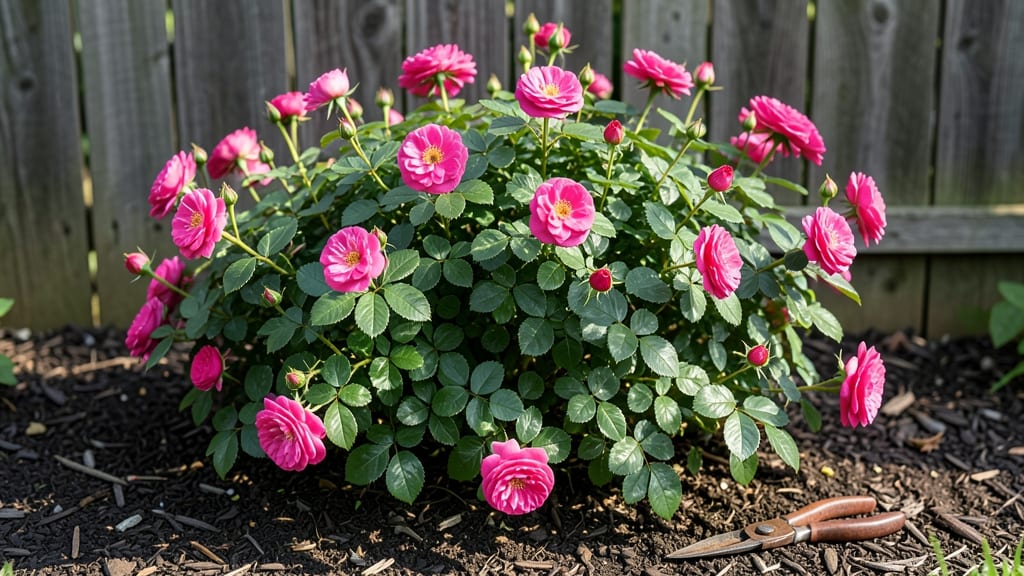
A huge rose bush isn't just about size—it's about that intoxicating fragrance wafting through your yard all season long. 🌹 I learned the hard way that skipping pruning leads to leggy, sparse bushes with few blooms.
The secret to a lush, fragrant rose isn't complicated: it's timing, technique, and three strategic trims that keep your bush thriving—and smelling amazing—year after year.
Start with the right variety: hybrid teas and floribundas grow tall and fragrant, while shrub roses offer low-maintenance bulk. Plant in full sun with well-draining soil, and water deeply twice a week once established.
The real magic happens in pruning—cut back one-third of the plant in early spring, then shape up again in summer and fall to encourage new growth and blooms.
By following this routine, you'll end up with a bush so vigorous it blooms from May through October, with flowers that perfume your garden at dusk.
The key is consistent care: feed with rose-specific fertilizer every 6 weeks and watch how your bush transforms from a tangled mess into a fragrant, show-stopping centerpiece.
This method works for both new gardeners and seasoned rosarians—just adjust the shears for your bush's size. Whether you're pruning a heritage climber or a compact shrub, the same principles apply. Let's get those blooms growing!
📚 In This Guide
- What you need
- Instructions
- Tips and common mistakes
- Wrapping up and next steps
What you need
- ○ Pruning shears: Bypass pruners (sharp, clean, and disinfected with rubbing alcohol or bleach). Optional: Loppers for thicker stems (1–2 inches in diameter).
- ● Garden gloves: Heavy-duty, cut-resistant (e.g., blank">Felco or blank">Fiskars brands). Pro tip: Choose breathable material to avoid sweaty hands! 🌡️
- ● Disinfectant: 1-part bleach to 9-parts water (or commercial pruning sealant).
- ● Rake or broom: For clearing debris post-prune.
- ● Pruning saw: Only if dealing with thick, woody stems (3+ inches).
- ● Know your rose type: Hybrid teas, floribundas, or climbers? Each has unique trimming needs! Check your plant tag or research online.
- ● Weather window: Prune on a dry, overcast day (avoid frost or extreme heat).
- ● Clean workspace: Lay down a tarp or old sheet to collect clippings easily.
- ○ Safety gear: Optional but wise: Safety glasses (if sawing) and long sleeves for sun protection.
- ● 🔥 Sharpen tools first! Dull blades crush stems, inviting disease. Use a file or hone before starting.
- ● ✨ Label your cuts: Tie a ribbon or flag on stems you’re unsure about—revisit them later!
- ● 🌡️ Time it right: For year-round blooms, trim after the 3rd bloom cycle (late summer/early fall) and again in early spring.
Step-by-Step guide to cultivating a towering rose bush
Transform your rose into a fragrant giant with these precision pruning techniques—timed for maximum bloom and longevity.
✂️ Step 1: Late Winter Cleanup Prune (Before Bud Break)
Grab your pruners and gloves, then cut back one-third of last year's growth—this removes dead wood and redirects energy to new, vigorous stems. I always make cuts at a 45-degree angle just above an outward-facing bud, about ¼ inch above it. This ensures water runs off and the bud has room to grow without competition.
Remove any crossing branches or weak stems entirely. You'll see thick, pencil-sized canes emerging as you work—these are your future blooms. If you spot any blackened or mushy canes, cut them off immediately. Healthy canes should be firm with a slight snap when bent. After pruning, apply a rose fertilizer with high phosphorus to encourage strong root and cane development.
☀️ Step 2: Summer Bloom Maintenance Trim (Mid-Season)
Once your rose begins its first flush of blooms, wait until half the flowers have faded before pruning. This second trim focuses on deadheading spent blooms and thinning out crowded stems. Use clean, sharp pruners to cut just above the five-leaflet leaf—this encourages new growth and more blooms.
Here's the thing—don't overdo it. I always leave at least three strong canes per plant to maintain structure. If you see any suckers (shoots growing from the base or below the graft) emerging, remove them immediately. These sap-sucking growths drain energy from your main plant. After trimming, give your rose a light feeding with a balanced fertilizer to support continuous blooming.
✂️ Step 3: Post-Bloom Renewal Trim (Early Fall)
After your final flush of blooms, it's time for a light renewal trim. Cut back any overly leggy growth by about half, but avoid heavy pruning now—you want to leave enough foliage for photosynthesis as winter approaches. Focus on opening up the center of the bush to improve airflow, which prevents fungal diseases like black spot.
Remove any diseased or yellowing leaves and dispose of them in the trash (not your compost). I like to apply a layer of mulch around the base after this trim to insulate roots and retain moisture. This final trim sets your rose up for a strong recovery before winter dormancy. If you're in a colder climate, consider wrapping the bush with burlap or a rose cone after the first hard frost.
🌿 Step 4: Winter Protection (For Cold Climates)
If you're in USDA Zone 6 or colder, protect your rose from harsh winter winds and freezing temperatures. After the ground freezes, mound 6-8 inches of soil or mulch around the base of the plant. This acts as an insulator and prevents temperature fluctuations that can stress roots.
For extra protection, loosely wrap the canes with burlap or horticultural fleece, securing it with twine. Don't wrap too tightly—you want airflow to prevent moisture buildup. I also like to add a layer of evergreen boughs over the top of the bush to shed snow and provide additional insulation. This winter prep ensures your rose will burst back to life come spring.
Tips & tricks for cultivating a towering rose bush
These precision techniques will help you transform an ordinary rose into a fragrant, towering masterpiece that blooms beautifully year after year.
The Pruning Angle Matters: When making cuts during Step 1, the 45-degree angle isn't just aesthetic—it's functional. This angle ensures water runs off the cut instead of pooling, which prevents rot and fungal infections. I've seen beginners make flat cuts that collect moisture, leading to blackened canes. Always make your cuts just above an outward-facing bud, about ¼ inch above it, to encourage new growth in the right direction. This simple technique makes all the difference in your rose's structure and health.
Deadheading Technique: During Step 2, when you're deadheading spent blooms, don't just cut at random—aim to cut just above the five-leaflet leaf. This encourages new growth from that leaf node, which will produce more blooms. I've found that many gardeners cut too high or too low, which either removes potential bloom points or leaves too much spent stem. The key is to make clean cuts with sharp pruners to avoid damaging the plant. This precise approach maximizes your rose's blooming potential.
Seasonal Timing is Critical: The three trims are scheduled strategically to align with your rose's natural growth cycle. The late winter cleanup removes dead wood before new growth begins, the summer maintenance trim supports continuous blooming, and the fall renewal prepares the plant for winter dormancy. I've seen roses suffer when these timings are off—either too early or too late. For example, pruning too early in spring can stimulate new growth that gets damaged by late frosts. Pay attention to your local climate and adjust these timings by a week or two if needed, but never deviate from the seasonal approach.
Pro Tips for Huge Rose Bush
- These precision techniques will help you transform an ordinary rose into a fragrant, towering masterpiece that blooms beautifully year after year.
- The Pruning Angle Matters: When making cuts during Step 1, the 45-degree angle isn't just aesthetic—it's functional.
- Deadheading Technique: During Step 2, when you're deadheading spent blooms, don't just cut at random—aim to cut just above the five-leaflet leaf.
Frequently asked questions
When is the best time to trim a huge rose bush for year-round blooms?
Prune your huge rose bush in early spring (before buds swell) and again after the first flush of blooms (late spring/early summer). Light trims can also be done in fall to remove dead wood. Avoid heavy pruning in winter—roses need their canes to protect against frost. Pro tip: Use sharp, sterilized shears to make clean cuts at a 45-degree angle!
How often should I trim a large rose bush to keep it blooming?
For continuous blooms, trim your huge rose bush every 6–8 weeks during the growing season (spring to fall). Focus on removing spent blooms (deadheading) and shaping the bush to encourage new growth. Hybrid teas and floribundas need more frequent trims than climbing roses—adjust based on your variety!
Can I trim a huge rose bush too much? What are the signs?
Yes! Over-pruning can stress your rose bush, leading to fewer blooms, weak growth, or even dieback. Watch for bare stems, yellowing leaves, or no new buds. If you’ve cut back more than 1/3 of the bush, pause and let it recover. Pro tip: Leave at least 3–5 strong canes for support and flowering.
What if my rose bush isn’t blooming after pruning?
Several factors could be at play: lack of sunlight (roses need 6+ hours/day), poor soil (amend with compost), or underwatering. Check for pests/diseases too! If it’s a new plant, give it a full season—some roses take time to establish. Boost blooms with a balanced rose fertilizer in spring and after trimming.
Are there low-maintenance alternatives to a huge rose bush?
If you love fragrance but want less upkeep, consider dwarf roses, shrub roses, or fragrant perennials like lavender, peonies, or mock orange. For height without the pruning, try climbing roses on a trellis—they’re stunning but require less shaping. Pro tip: Knock Out® roses are nearly maintenance-free and bloom all season!
Wrapping up and next steps
A huge rose bush thriving with year-round fragrance isn’t just a dream—it’s achievable with the right strategic trims! By mastering early spring, mid-summer, and late-season pruning, you’ll boost blooms, improve airflow, and keep your roses healthy and fragrant.
Remember, patience and precision are key—each cut shapes the future of your bush.
Ready to transform your garden? Grab your pruners, review the steps, and start pruning with confidence. Your roses (and neighbors!) will thank you for the sweet, intoxicating scent all season long. 🌹✨