
Companion Plants
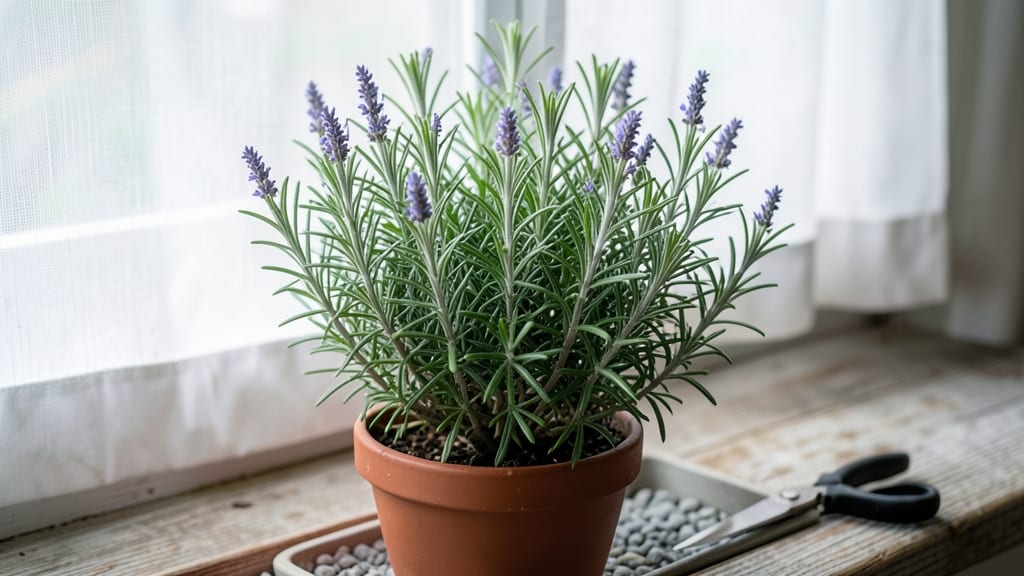
Not all rosemary plants are edible—only the leaves and tender young stems are safe for cooking, while woody stems and overgrown branches are tough and bitter. Avoid consuming flowers or seeds unless explicitly confirmed non-toxic, as some varieties may cause mild digestive upset.
When you're harvesting rosemary for your kitchen, focus on the fresh, bright green leaves and the youngest, flexible stems—these are the parts packed with flavor and safe to eat. 🌿 The older, woody growth loses its delicate taste and becomes fibrous, while the flowers and seeds can sometimes trigger mild stomach discomfort.
I always trim my rosemary plants just before they flower to ensure I'm getting the most flavorful and safe portions for my recipes.
What many people don't realize is that rosemary's edibility depends on its growth stage. The plant's natural oils, which give it that distinctive aroma, become concentrated in the leaves and young stems. Once stems harden, they're better suited for decorative purposes than culinary use.
For optimal flavor and safety, harvest leaves from the middle of the plant, leaving at least a third of the growth intact to keep your rosemary thriving.
💡 In This Article
- Edible vs. Non-Edible Parts of Rosemary Plants
- Harvesting and Preparing Rosemary for Safe Culinary Use
Edible vs. non-edible parts of rosemary plants
The key to understanding rosemary's edibility lies in its botanical structure and growth stages. Fresh, bright green leaves contain the highest concentration of volatile oils—like borneol and camphor—which give rosemary its signature piney aroma and culinary value.
These compounds peak during the plant's active growth phase, typically in late spring to early summer when leaves are 1-2 inches long and have a velvety texture. 🌿 The young, flexible stems (about ¼-inch thick) are also edible, though their flavor intensity drops as they mature.
What transforms rosemary from edible to inedible is the plant's secondary growth. As stems harden and develop a woody texture (often ½-inch or thicker), their cell structure becomes dense with lignin—a complex polymer that makes them tough and bitter.
These mature stems contain up to 30% less of the flavorful volatile oils compared to fresh leaves, making them more suitable for crafts than cooking. The transition happens gradually: a stem that feels slightly springy one week can become rigid and fibrous within 2-3 weeks of growth.
Flowers and seeds present additional risks.
While some culinary traditions use rosemary blossoms (like in Mediterranean herb salads), their edibility depends on the specific variety. Rosmarinus officinalis, the most common edible type, has flowers that are generally safe in small quantities, but their mild bitterness and potential for mild digestive irritation make them a gamble.
Seeds, however, contain higher concentrations of rosmarinic acid, which in large amounts can cause stomach upset or allergic reactions in sensitive individuals. This is why most chefs avoid using them entirely.
The science behind rosemary's toxicity risks involves secondary metabolites. When rosemary plants experience stress—like overcrowding, nutrient deficiency, or pest damage—they produce higher levels of diterpenes, compounds that can irritate the digestive tract.
This is why overgrown or stressed plants may cause mild symptoms (nausea, bloating) even when consuming only the leaves. To minimize risks, always harvest from healthy, well-maintained plants with vibrant green foliage and no signs of yellowing or wilting.
Consider this comparison: A 1-teaspoon serving of fresh rosemary leaves (about 0.5 grams) contains 0.02% rosmarinic acid, a safe amount for most people. However, consuming the same weight of dried flowers or seeds could increase that concentration 5-10 times, pushing it into potentially problematic territory.
The key is moderation and proper identification—never assume all parts of a rosemary plant are interchangeable in the kitchen.
For visual identification, think of rosemary's growth stages like layers of an onion. The outermost "layer" (mature stems) is tough and fibrous, the middle "layer" (young stems) is flexible, and the innermost "layer" (leaves) is the most tender and flavorful.
When harvesting, always work from the outer edges inward to preserve the plant's health and ensure you're getting the safest, most flavorful parts. 🌱