
Advice
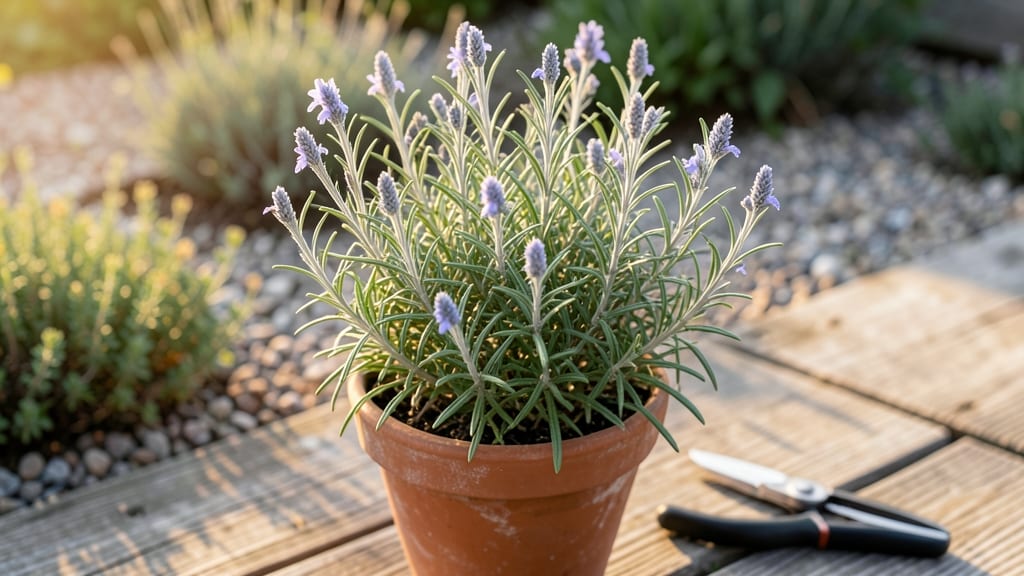
Understanding rosemary’s growth stages helps you nurture it from tiny seeds into a thriving, fragrant shrub 🌿 — each phase demands slightly different care to avoid common pitfalls.
Picture this: you’ve just planted rosemary seeds, eagerly waiting for those first green shoots to appear. But what happens next? How do you know when to water, prune, or harvest? Without knowing the stages, you might overwater seedlings or harvest too early, robbing yourself of the best flavor and yield.
Rosemary transforms dramatically over 6-8 months, from delicate seedlings to woody stems and aromatic leaves. Each stage—germination, leaf development, flowering, and maturity—comes with unique needs for light, water, and soil. Skipping these milestones can leave your plant leggy, sparse, or even stunted.
In this guide, I’ll walk you through every phase, including when to expect key changes, how to troubleshoot issues, and exactly when to harvest for peak flavor.
By the end, you’ll know exactly how to coax the most out of your rosemary—whether you’re growing it in pots or in the ground.


6 Stages of rosemary growth: timeline and key characteristics
Growing rosemary from seed to harvest is a rewarding journey that spans 6 distinct stages, each with unique care requirements. Whether you're starting with seeds or transplanting young plants, understanding these phases helps you anticipate growth milestones and adjust your care routine.
From the first seedling emergence to harvest-ready shrubs, each stage reveals how rosemary adapts to its environment—and what you can do to support its development.
Rosemary’s growth timeline varies slightly based on climate, but in ideal conditions, you can expect full maturity in 6-12 months. The key to success lies in recognizing physical changes and adjusting care—like watering frequency, sunlight exposure, and soil conditions—at each phase.
Let’s break down what to expect and how to nurture your rosemary through every transformation.
The first stage, germination, begins when rosemary seeds sprout after 7–21 days in warm, moist conditions. You’ll spot tiny green needles poking through the soil, signaling the start of your plant’s life.
During this phase, maintain consistent moisture and avoid disturbing the seedlings, as their roots are fragile. A heat mat or warm windowsill can speed up germination if your climate is cool.
Once seedlings emerge, they enter the seedling phase (3–6 weeks), where they develop their signature needle-like leaves. This is when rosemary’s light needs increase—gradually move seedlings to bright, indirect light to prevent leggy growth.
Overwatering is a common mistake here; let the top inch of soil dry out between waterings. If you’re growing indoors, a south-facing window or grow lights will provide the 6+ hours of sunlight rosemary craves.
By 6–12 weeks, your rosemary enters vegetative growth, marked by rapid stem elongation and leaf density. You’ll notice woody stems forming and the plant reaching 12–24 inches tall.
This stage is critical for establishing a strong root system, so reduce watering slightly and introduce a balanced fertilizer (5-10-10) every 4–6 weeks. Prune leggy stems to encourage bushier growth and prevent the plant from becoming top-heavy.
The flowering stage (4–6 months) is a beautiful but temporary phase where rosemary produces purple-blue flowers along its branches. While flowers are stunning, they divert energy from leaf production. To maintain a harvest-ready plant, pinch off flower buds as they form.
This stage also signals that your rosemary is adapting to drought-like conditions—reduce watering further and let the soil dry completely between sessions. The flowers also attract pollinators, so consider leaving a few blooms if you’re not harvesting.
After flowering, rosemary reaches maturity (6–12 months), where it achieves its full 3–6 ft height and robust, woody structure. Mature rosemary is drought-tolerant and thrives with minimal care, but it still needs full sun exposure and well-draining soil.
This is the ideal time to prune for shape and harvest regularly—cut back stems by one-third to encourage new growth. In containers, mature rosemary may need repotting if roots outgrow the space, as restricted roots can stunt growth.
Finally, harvest readiness is an ongoing process once your rosemary matures. Look for deep green, fragrant leaves and firm stems—these are signs your plant is ready for use. Harvest sprigs just before flowering for the strongest flavor, and avoid cutting more than one-third of the plant at once.
After harvesting, trim stems to maintain the plant’s shape and encourage continuous growth. In mild climates, rosemary can be harvested year-round, while colder regions may see reduced growth in winter.
Understanding these 6 stages ensures you provide the right care at the right time, from seedling moisture to mature plant pruning. Each phase offers clues about your rosemary’s health—whether it’s leggy stems (needs more light) or yellowing leaves (overwatered).
By tuning into these signals, you’ll cultivate a thriving, fragrant rosemary bush that rewards you with abundant harvests for years to come. 🌿
Critical care tips for each rosemary growth stage
Rosemary’s journey from seed to harvest requires tailored care at each stage. During the seedling phase (weeks 1-4), your priority is moisture control—overwatering can drown delicate roots while underwatering stunts growth.
Use a humidity dome or plastic wrap to maintain 60-70% humidity and place seedlings in bright, indirect light to prevent etiolation (leggy stems). I’ve found that misting twice daily keeps soil evenly moist without soggy conditions.
Once seedlings develop their first true leaves (week 4-6), transition them to full sun (6+ hours daily) to harden off. This gradual exposure prevents shock and strengthens stems.
At this stage, I reduce watering to every 5-7 days and introduce a balanced fertilizer (5-10-10) to support root development. Avoid fertilizing if leaves appear yellow—this signals overfeeding.
⚠️ Critical Warning: Overwatering in Early Stages
Rosemary roots rot in 24-48 hours if soggy. Yellowing leaves or mushy stems mean immediate action: stop watering, repot in well-draining soil, and trim affected roots. Preventative tip: Use pots with drainage holes and a cactus/succulent mix.
During the vegetative growth phase (months 2-4), rosemary craves consistent sunlight but struggles with compacted soil. I recommend pruning leggy stems to encourage bushier growth—cut back by 1/3 of the plant’s height to stimulate lateral branching.
This stage is also when pests like aphids or spider mites strike. I spray neem oil weekly as a preventative measure.
When flowering begins (months 5-6), reduce watering to every 10-14 days and avoid fertilizing—rosemary flowers signal it’s ready for harvest or pruning. Deadhead spent blooms to redirect energy to leaf production.
I’ve noticed that over-pruning during flowering can delay harvest, so I limit cuts to 10% of the plant’s foliage at this stage.
For mature rosemary (year 2+), focus on soil pH (6.0-7.0) and deep watering (every 7-10 days). I test pH annually and amend with lime or sulfur as needed.
Mature plants handle drought better but reward occasional pruning (2-3 times/year) to maintain shape. Never prune into old wood—this kills the plant.
Troubleshoot slow growth by checking for root-bound pots or nutrient deficiencies. Yellow leaves? It’s likely overwatering or iron deficiency. Brown tips? Low humidity or fluoride buildup from tap water.
I’ve had success using rainwater or distilled water to prevent tip burn. Adjust care based on the stage—young plants need moisture; mature ones thrive on neglect.