Flowers
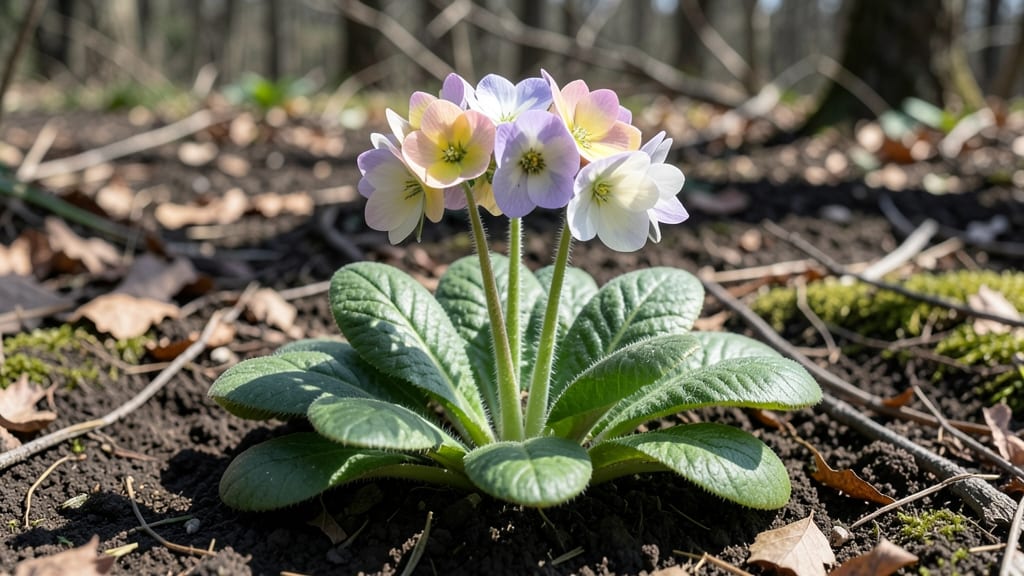
Primrose is not a weed—it’s a prized ornamental plant with delicate flowers and diverse species, though some varieties may self-seed aggressively in gardens, leading to confusion about their classification.
Primrose belongs to the Primula genus, a group of over 400 species valued for their vibrant blooms and garden appeal. 🌸 While some wild varieties may spread easily, they’re cultivated for their beauty—not classified as weeds.
The key difference lies in intent: weeds thrive uninvited, while primroses are intentionally grown. Many gardeners adore their early spring color, but their self-seeding habit can create clutter if left unmanaged.
What often trips people up is the aggressive spread of certain primrose types like cowslip or oxlip, which can multiply quickly in moist soils. This behavior, while frustrating, stems from their natural adaptation to thrive in woodland understories—not from any inherent "weediness."
The solution? Strategic deadheading and selective removal before they set seed, turning their prolific nature into a manageable garden feature.
💡 In This Article
- Botanical Classification: Why Primrose Isn’t a Weed
- Managing Primrose Self-Seeding in Gardens
Botanical classification: why primrose isn’t a weed
Primrose belongs to the Primula genus, which botanists classify as herbaceous perennials—not weeds.
The defining difference lies in their cultivation purpose: weeds thrive uninvited, competing with desired plants, while primroses are intentionally grown for their 5-petaled flowers in colors like yellow, pink, and purple. 🌸 The genus includes over 400 species, many prized in horticulture for their early spring blooms, which often appear before most garden plants emerge.
Weeds are typically defined by their unwanted growth patterns, rapid spread, and ability to outcompete cultivated plants. Primroses, however, are valued for their ornamental qualities.
For example, the Primula vulgaris (common primrose) has been cultivated in Europe since the 16th century, while Primula denticulata (moon primrose) thrives in alpine gardens. Their spread is more about natural propagation than aggressive invasion—though certain wild varieties like Primula veris (cowslip) may self-seed prolifically in moist, shaded areas.
The confusion arises because some primrose species, like Primula elatior (oxlip), can form dense patches through underground rhizomes or abundant seed production. However, this behavior is an adaptation to their native woodland habitats—not a weed-like trait.
In fact, primroses often serve as indicator plants for healthy soil ecosystems, signaling moist, well-drained conditions preferred by many garden plants. Their presence typically enhances rather than disrupts garden biodiversity.
Botanically, weeds are often non-native or invasive species that disrupt ecosystems, while primroses are native to temperate regions like Europe and Asia. For instance, Primula denticulata grows naturally in the Himalayas, where it’s not considered a weed but a cherished wildflower.
Even when primroses spread beyond intended areas, they rarely exhibit the allelopathic tendencies (chemical inhibition of other plants) common in true weeds like creeping charlie.
Gardeners often appreciate primroses for their early-season color and pollinator appeal, which makes them a valuable addition to cottage gardens. The key distinction is intent: primroses are cultivated for beauty, while weeds are unwanted bystanders.
This classification holds true even when certain varieties, like Primula obconica (a popular hybrid), may spread more aggressively in ideal conditions. 🌿