
Flowers
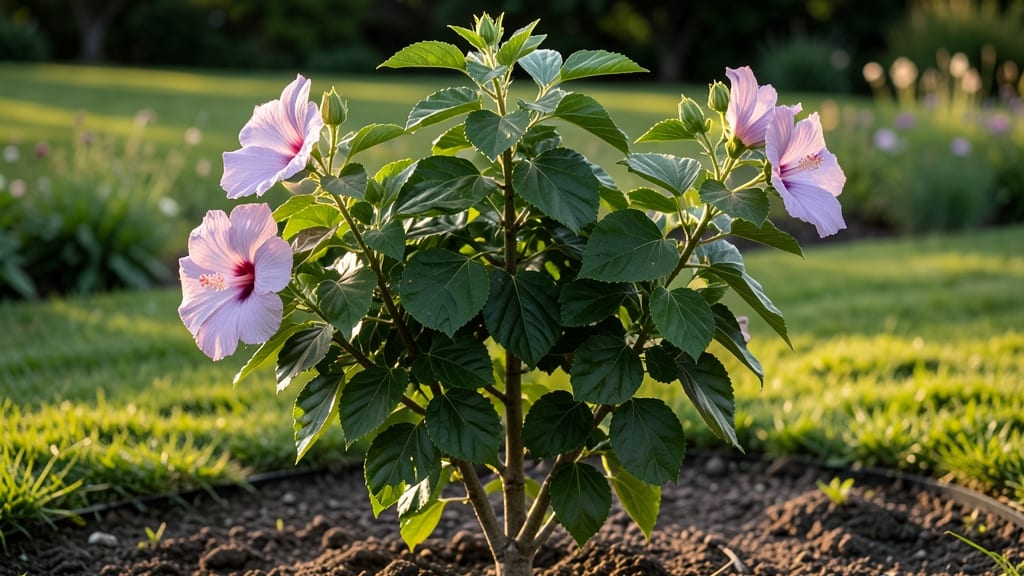
Rose of Sharon is indeed a perennial shrub that thrives in hardiness zones 5-9, regrowing each spring from its strong root system after dying back in winter, with proper care extending its lifespan for decades.
Rose of Sharon's perennial nature comes from its deep, fibrous root system that stores nutrients and moisture during winter dormancy. 🌱 Unlike annuals that complete their life cycle in one season, this shrub enters a natural resting phase when temperatures drop, then bursts back to life with fresh foliage and vibrant blooms each spring.
What makes it stand out is its adaptability—it can handle everything from mild winters in zone 9 to harsh conditions in zone 5, though younger plants may need winter protection in colder climates.
This hardy shrub's lifespan depends heavily on proper care, especially pruning. I've seen well-maintained specimens live for 30+ years in optimal conditions, producing stunning clusters of flowers each season. The key is understanding its growth patterns—pruning after flowering preserves next year's blooms while maintaining the shrub's health.
💡 In This Article
- How Rose of Sharon Survives Winter as a Cold-Hardy Perennial
- Extending Rose of Sharon’s Lifespan Through Pruning and Care
How Rose of Sharon survives winter as a cold-hardy perennial
Rose of Sharon's winter survival strategy begins with its deciduous nature, where it sheds leaves annually to conserve energy. This isn't just seasonal shedding—it's a metabolic shift where the plant redirects resources from foliage to its deep, woody root system, which can extend 3-5 feet below ground.
These roots act like a natural storage unit, accumulating starches and nutrients that fuel spring regrowth. 🌿 The shrub's bark also contains protective compounds that prevent moisture loss during dormancy.
Temperature tolerance varies by zone, but the real magic happens in how the plant responds to cold. In zone 5, where winters can drop to -20°F, the roots remain protected below the frost line, while above-ground growth dies back to the ground level.
The buds—located at the base of stems—contain meristem cells that stay dormant until temperatures stabilize above 50°F in spring. This is why you'll often see fresh shoots emerging from the ground before new leaves appear.
The plant's hardiness zone range (5-9) reflects its ability to handle both cold snaps and heatwaves. In zone 9, where winters are mild, Rose of Sharon may retain some foliage year-round, but it still undergoes partial dormancy.
The key difference is that colder zones require thicker mulch (3-4 inches) around the base to insulate roots, while warmer zones benefit from partial shade to prevent heat stress during summer dormancy periods.
What most gardeners don't realize is how soil moisture during winter affects survival. While the plant isn't actively growing, its roots continue absorbing minimal moisture. In zone 6-7, where winters fluctuate between freezing and thawing, well-draining soil prevents root rot from excess moisture.
The shrub's natural resilience comes from its ability to supercool—a process where cellular fluids remain liquid below freezing, protecting vital tissues until spring's warmth triggers regrowth.
For those in zone 4 or colder, winter protection becomes critical. Wrapping the base with burlap or applying anti-desiccant sprays prevents moisture loss from exposed stems.
The plant's lateral buds—located along stems—are particularly vulnerable to cold winds, which is why pruning to create a rounded shape improves air circulation and reduces winter damage. This structural approach mimics how wild specimens grow in their native East Asian habitats, where they endure similar seasonal extremes.
One fascinating adaptation is how Rose of Sharon times its regrowth with environmental cues. The shrub monitors day length and soil temperature to determine when to break dormancy. In zone 8, this typically happens in late February, while in zone 5, it may wait until mid-April.
This precision ensures the plant emerges when soil temperatures reach 55°F, reducing frost damage risk to new growth. 🌱