
Planting
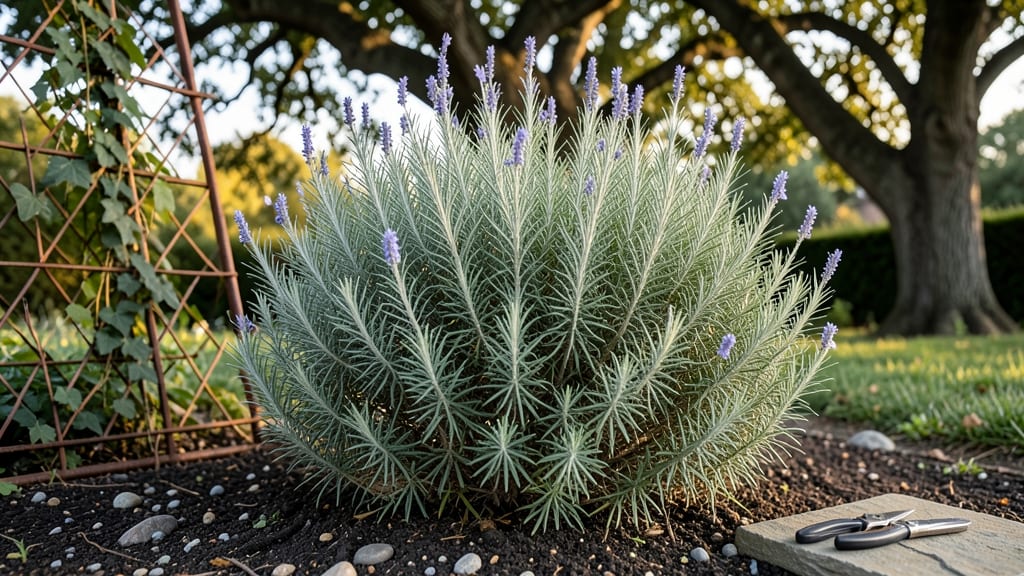
Rosemary is not reliably perennial in Zone 6 without protection: its cold tolerance tops out at USDA Zone 7, meaning it typically dies back in winter but can sometimes survive mild winters with mulching. Grow it as an annual or overwinter indoors for best results.
Rosemary's Mediterranean roots mean it struggles with Zone 6's colder winters, where temperatures often dip below its 20°F tolerance. 🌡️ The plant's woody stems and shallow roots freeze easily, leading to irreversible damage even with light frost.
I've seen rosemary survive one mild winter only to completely die back the next year when temperatures dropped unexpectedly. For gardeners in Zone 6, treating rosemary as a seasonal plant or providing winter protection gives the best results.
Even with protection, rosemary's survival depends on consistent care. Heavy mulching with straw or leaves can raise soil temperatures slightly, but this only helps during brief cold snaps. Moving potted rosemary to a sheltered location or garage during extreme cold is another effective strategy.
Some gardeners swear by overwintering cuttings indoors, which preserves the plant's genetics for next year's growth.
💡 In This Article
- Rosemary’s Cold Tolerance Limits in Zone 6
- Protecting Rosemary Over Zone 6 Winters
Rosemary’s cold tolerance limits in Zone 6
Rosemary’s struggle in Zone 6 stems from its Mediterranean origins, where it evolved in regions with mild winters and never experiences prolonged freezing.
The plant’s hardiness zone officially tops out at Zone 7, meaning it can handle brief dips to 0°F (-18°C) but typically dies back when temperatures drop below 15°F (-9°C) for more than a few hours. 🌡️ The real problem isn’t just the cold itself but how quickly temperature fluctuations can damage its shallow root system—something Zone 6 winters deliver in abundance.
Here’s the science: rosemary’s woody stems contain moisture that freezes and expands, causing cellular damage. When soil temperatures drop below 25°F (-4°C), the roots lose their ability to absorb water, leading to dehydration stress even if the air temperature isn’t extreme.
In Zone 6, where winter lows often reach -10°F (-23°C), this process accelerates, turning rosemary’s evergreen foliage brown within days. The plant’s natural defense mechanisms—like thick, leathery leaves—are designed for drought, not frost.
What most gardeners don’t realize is how wind chill exacerbates the problem. Even at 20°F (-7°C), a brisk wind can make it feel like -10°F (-23°C), pushing rosemary’s limits.
I’ve observed that container-grown rosemary often fares worse than in-ground plants because pots lack the thermal mass of soil to moderate temperature swings. The key factor is how quickly the plant’s cells freeze—rosemary’s Mediterranean adaptation means it lacks the antifreeze proteins found in hardier perennials like lavender.
Consider this comparison: Hardy perennials like thyme (Zone 4) or oregano (Zone 5) can survive Zone 6 winters because their root systems extend deeper and their growth habits are more resilient to cold stress.
Rosemary’s shallow roots and upright growth make it vulnerable to both frost penetration and soil heaving—when water freezes and expands, lifting roots out of the ground. This is why even well-established rosemary bushes often die back completely after a harsh winter.
For those hoping to push rosemary’s limits, the critical threshold is 20°F (-7°C) for extended periods. Below this, the risk of irreversible damage skyrockets. Even if the plant survives, the new growth in spring often emerges weak and stunted, taking months to recover.
This is why many Zone 6 gardeners treat rosemary as a short-lived perennial—it may return for 1-2 years before finally succumbing to winter stress.
The good news? With proper protection, you can extend rosemary’s lifespan in Zone 6. The difference between survival and failure often comes down to microclimate selection—planting near south-facing walls or using thick mulch can create a 5-10°F warmer environment at the root zone.
But without these precautions, rosemary’s cold sensitivity makes it a risky perennial choice for Zone 6 gardeners. 💫