
Vegetables
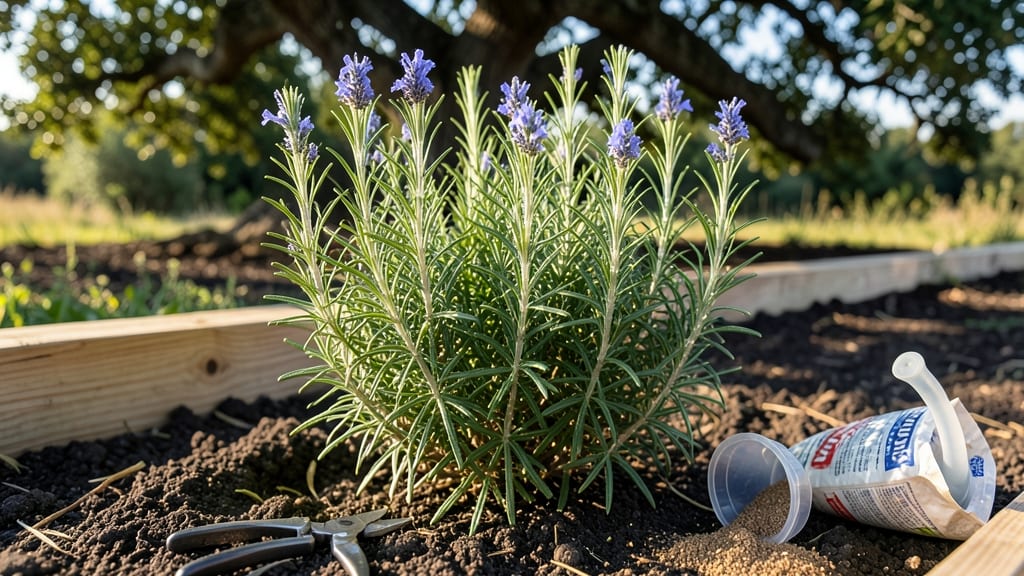
Rosemary doesn't die in winter but can suffer damage when temperatures drop below 15°F (-9°C). With proper care—like mulching, wrapping, or bringing potted plants indoors—it often recovers and thrives again in spring. Some cold-hardy varieties, such as 'Arp,' handle winter better than others.
Rosemary's resilience comes from its Mediterranean roots, but that doesn't mean it's invincible. 🌿 When temperatures plummet, the plant's evergreen leaves can turn brown or crispy, but the roots often stay alive.
This is why many gardeners swear by heavy mulching or even moving potted rosemary to a garage or shed during the coldest months. The key is protecting the foliage while letting the roots stay cool but not frozen.
What sets varieties like 'Arp' apart is their genetic ability to withstand colder snaps. These hardier types can handle temperatures down to 10°F (-12°C) with minimal protection, making them ideal for gardeners in zones 7-9.
For others, combining mulch with frost cloth or even a simple plastic wrap can make all the difference between a dead plant and one that bounces back in spring.
💡 In This Article
- Rosemary’s Cold Hardiness and Freeze Survival Science
- Winter-Proofing Rosemary: Step-by-Step Protection Guide
Rosemary’s cold hardiness and freeze survival science
Rosemary's cold tolerance hinges on its USDA hardiness zones 7-10, meaning it thrives naturally in regions where winter temperatures rarely drop below 10°F (-12°C). The plant's evergreen needles contain essential oils that act as natural antifreeze agents, preventing cellular damage at temperatures down to 15°F (-9°C).
However, when exposed to prolonged cold snaps below 10°F (-12°C), the foliage freezes and turns brown due to ice crystal formation within leaf cells, a process called cytoplasmic freezing. 🌟
This cellular damage occurs because rosemary's Mediterranean heritage adapted it to mild winters, not freezing conditions. The roots, buried deeper in the soil, often survive because they're insulated by the earth's natural warmth.
Varieties like 'Arp' stand out because their genetic makeup produces thicker, waxier leaves that resist moisture loss and cold stress better than standard types. These hardy varieties can endure 10°F (-12°C) with minimal protection, while common rosemary may need extra care to survive 15°F (-9°C).
The key to understanding rosemary's winter resilience lies in its growth habit. Unlike deciduous plants that shed leaves to conserve energy, rosemary maintains its foliage year-round. This evergreen nature requires more protection in cold climates because the leaves continue photosynthesizing (when possible) and transpiring, making them vulnerable to freeze damage.
The plant's woody stems also contain vascular tissues that can rupture when ice forms, cutting off water flow to the leaves. 💛
What most gardeners don't realize is how soil temperature affects rosemary's survival. The ground stays warmer than the air, creating a microclimate that protects the roots.
When mulching, aim for a 3-4 inch (7.5-10 cm) layer of organic material like straw or wood chips to maintain soil temperatures above 32°F (0°C). This insulation prevents the roots from freezing solid, which would kill the plant entirely.
The science here is simple: warmer soil equals better survival rates for the entire plant.
Another critical factor is rosemary's moisture content. Drier leaves handle cold better than saturated ones because ice formation is less likely in dehydrated tissues. This is why pruning back foliage before winter helps—it reduces the plant's surface area exposed to freezing air.
For potted rosemary, the risk is higher because container soil freezes more easily than in-ground soil. Moving pots to sheltered locations or wrapping them in bubble wrap creates an insulating barrier that mimics the ground's natural protection. ✨
Consider this comparison: a rosemary plant in zone 8 with proper mulching might lose some leaves but recover fully by spring, while an unprotected plant in the same zone could suffer complete dieback. The difference comes down to how well you've insulated both the foliage and roots.
Hardy varieties like 'Arp' give gardeners a safety net, but even standard rosemary can survive winter with the right preparation—it's all about understanding and working with the plant's natural limitations. 🌿
For those in colder climates (zones 6 and below), the best approach is to treat rosemary as an annual or overwinter it indoors. The plant's ability to regrow from the roots means it can bounce back spectacularly when given the right conditions.
What seems like a winter casualty might just be a dormant plant waiting for spring's warmer days to revive. 💫