
Shrubs
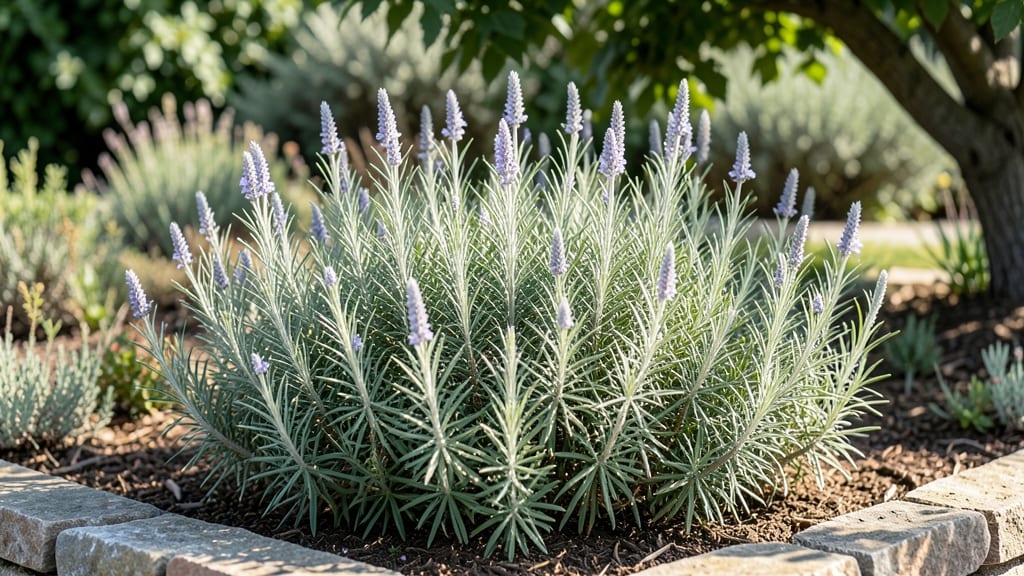
Rosemary is not frost tolerant and will suffer damage when temperatures drop below 20°F (-6°C), though some hardy varieties might endure brief exposure to 15°F (-9°C). To keep it alive through winter, use protective measures like mulch, containers, or move it indoors.
Rosemary thrives in warmer climates (USDA Zones 9-11) and struggles in colder regions because its Mediterranean roots aren't adapted to freezing temperatures. 🌡️ When frost hits, the leaves turn brown and crispy, and the plant often dies back completely.
The good news? With proper winter care—like wrapping pots in burlap or bringing potted rosemary inside—you can revive it come spring. Even if it looks dead after a freeze, the roots may still be alive beneath the soil.
Hardier varieties like Rosmarinus officinalis 'Arp' can handle slightly colder snaps, but most rosemary plants need protection when nighttime temps dip below 30°F (-1°C). If you live in Zone 8 or colder, consider growing rosemary in containers so you can move it indoors or under a porch during winter.
A little extra effort now means fresh rosemary for your cooking all year round. 🌿
💡 In This Article
- USDA Zones for Growing Rosemary Safely
- Protecting Rosemary from Frost: Practical Winter Care Guide
USDA zones for growing rosemary safely
Rosemary's Mediterranean heritage explains why it prefers warmer climates—specifically USDA Zones 9 through 11, where winter lows rarely drop below 30°F (-1°C). In these zones, rosemary grows vigorously year-round, developing its signature needle-like leaves and aromatic oils.
The plant's natural cold tolerance tops out at around 20°F (-6°C), but this varies dramatically by variety. For example, Rosmarinus officinalis (the common culinary type) is more sensitive than Rosmarinus prostratus (a trailing variety), which can sometimes handle 15°F (-9°C) for short periods.
The damage mechanism starts when ice crystals form in plant cells. At 28°F (-2°C), cell membranes begin rupturing, causing irreversible damage to foliage. Roots are slightly more resilient, but prolonged exposure below 20°F (-6°C) will kill even the hardiest varieties.
In Zone 8, where winter lows often reach 10°F (-12°C), rosemary needs constant protection. The key difference between zones lies in nighttime temperatures—while Zone 9 might see 25°F (-4°C) dips, Zone 7 can drop to 0°F (-18°C), making outdoor cultivation nearly impossible without intervention.
What most gardeners don't realize is that rosemary's frost sensitivity extends beyond just leaf damage. The aromatic oils in the leaves become unstable below 32°F (0°C), causing the plant to lose its signature piney fragrance even before visible browning occurs.
This is why frost-damaged rosemary often smells musty or weak—its chemical composition has been compromised. The good news? The roots can remain viable even when above-ground growth appears dead, giving you a chance to revive the plant in spring. 🌡️
For those in Zones 5-7, container growing becomes essential. Potted rosemary can be moved to sheltered locations or indoors, where temperatures stay above 40°F (4°C).
The container's portability gives you control over the plant's environment, preventing the kind of root zone freezing that occurs when planted directly in cold ground.
Even in ideal zones, sudden cold snaps can catch rosemary off guard—this is why gardeners in Zone 9 should still monitor forecasts for unexpected 20°F (-6°C) drops.
Consider these zone-specific growing realities:
- Zones 9-11: Can grow rosemary outdoors year-round with minimal protection, though afternoon shade helps during heatwaves
- Zone 8: Needs winter mulch (at least 4 inches) and may benefit from frost cloth during 25°F (-4°C) nights
- Zones 5-7: Requires container cultivation with indoor overwintering—roots need consistent 50°F (10°C) minimum
The hardiest varieties like 'Hill Hardy' can push Zone 8 limits slightly, but they still need protection. What makes rosemary so challenging is its inability to recover from multiple freeze-thaw cycles—each cold snap weakens the plant further, making it more susceptible to disease.
This is why many gardeners in colder regions treat rosemary as an annual or bring it indoors completely during winter months. 💫