
Container Gardens
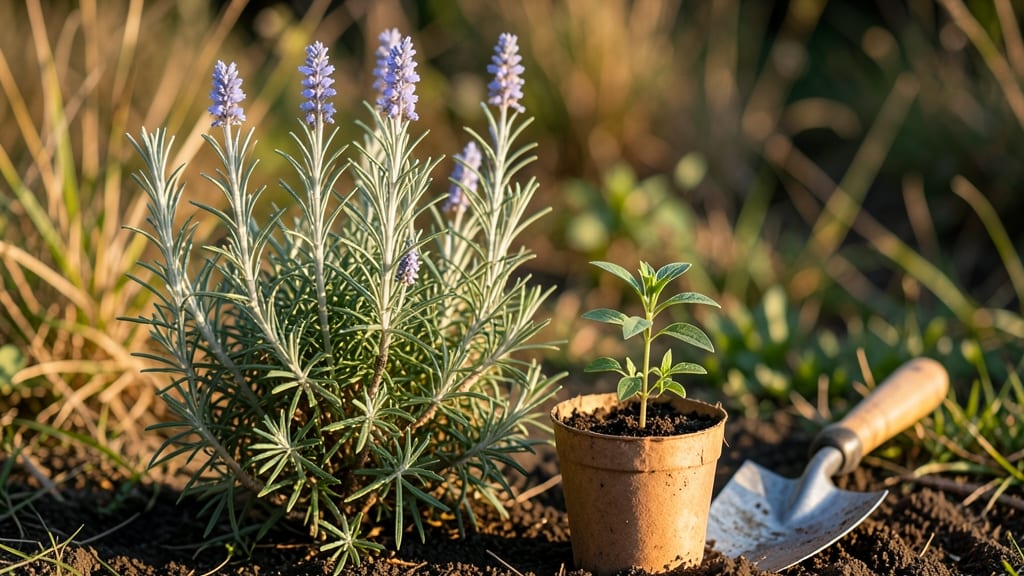
Planting rosemary outdoors transforms your patio or garden into a fragrant, year-round herb haven—no greenhouse needed. ✨ I’ve grown rosemary for years, and the key is mimicking its Mediterranean roots: full sun, well-draining soil, and minimal fuss.
Most people overwater it, turning their hardy herb into a sad, leggy shadow of itself. Start with a container at least 12 inches deep (rosemary hates soggy feet) and mix in perlite or coarse sand to improve drainage.
If planting in ground, choose a spot with 6+ hours of sunlight daily—partial shade turns rosemary woody and sparse. Space plants 2-3 feet apart to prevent crowding, which invites pests. After planting, water deeply but let the soil dry between sessions.
In 6-8 weeks, you’ll see new growth, and by late summer, your rosemary will be bushy enough to snip for cooking or garnishes. The scent alone makes it worth the effort—imagine fresh sprigs wafting through your kitchen all year.
Rosemary thrives in USDA zones 7-10, but even in colder climates, it rebounds from light frosts. Containers let you move it indoors for winter if needed. Avoid common mistakes: overwatering, poor drainage, and planting too close together. With the right setup, your rosemary will outlive you—and your neighbors’ envy.
📚 In This Guide
- What you need
- Instructions
- Tips and common mistakes
- Wrapping up and next steps
What you need
- ● Rosemary plants: 1–3 healthy nursery-grown rosemary plants (choose Rosmarinus officinalis for best results).
- ● Containers (if potted): 1–2 large pots (minimum 12–18 inches deep and wide) with drainage holes. Terracotta or fabric pots work best.
- ● Well-draining soil: 1–2 bags of cactus/succulent mix or potting soil blended with perlite/sand (ratio: 60% soil, 40% perlite/sand).
- ● Gravel or pebbles: Small stones (¼–½ inch) for a 1–2 inch drainage layer at the pot’s bottom.
- ● Pruning shears: Sharp, clean pair for trimming (sterilize with rubbing alcohol).
- ● Watering can or hose with a gentle spray nozzle: Avoid overwatering—rosemary hates soggy roots!
- ○ Organic fertilizer (optional but helpful): Balanced 10-10-10 or low-nitrogen fertilizer (e.g., fish emulsion or compost).
- ● Sunlight: A spot with full sun (6+ hours/day). Partial shade (4–6 hours) works in hot climates.
- ● Climate: Rosemary thrives in USDA Zones 7–10. In colder zones, grow in containers for winter protection.
- ● Space: Allow 2–3 feet between plants if planting in the ground (or crowd containers for a lush look!).
- ● Drainage: No standing water! Ensure pots or garden beds drain quickly to prevent root rot.
- ● Test your soil’s pH: Rosemary prefers neutral to slightly alkaline (6.0–7.0). Adjust with lime if needed.
- ● Hardening off seedlings: If starting from cuttings, let them acclimate to outdoor conditions for 7–10 days before planting.
- ● Mulch lightly: Use gravel or coarse mulch (not organic) to retain heat and deter weeds.
Step-by-Step guide to planting rosemary outdoors
Here's how to establish this fragrant perennial so it grows strong and productive for years.
🪴 Step 1: Choose the Right Location and Prepare the Soil
Rosemary demands full sun—at least 6-8 hours daily—so pick a spot with southern or western exposure. I always test the site first by placing a white board where the plant will go; if it stays cool to the touch at midday, the location lacks sufficient warmth. The soil should drain rapidly since rosemary rots in soggy conditions.
Amend heavy clay soil with 3-4 inches of coarse sand or gravel mixed into the top 12 inches of soil. For containers, ensure pots have drainage holes and use a mix of 50% potting soil and 50% perlite or pumice. Rosemary thrives in lean, mineral-rich soil—don't over-fertilize, as it encourages weak growth.
🌱 Step 2: Plant at the Correct Depth and Spacing
Dig a hole just slightly wider than the rosemary's root ball but no deeper—planting too low suffocates the stem. If using a container-grown plant, gently loosen the roots around the edges before placing it in the hole. For bare-root plants, soak the roots in water for 10-15 minutes to rehydrate them before planting.
Space plants 3-4 feet apart in the ground to allow airflow and prevent fungal diseases. In containers, one mature rosemary per 12-inch pot is ideal. Backfill with native soil, pressing lightly to eliminate air pockets but avoiding compaction. Water deeply right after planting to settle the soil and eliminate gaps.
☀️ Step 3: Establish Watering Routines for the First Critical Months
Newly planted rosemary needs 1 inch of water weekly during its first month, but let the top 2 inches of soil dry completely between waterings. Overwatering is the fastest way to kill rosemary—you'll know it's time to water when the soil feels dry when you pinch it between your fingers. After the first month, reduce watering to once every 2 weeks unless your climate is extremely hot or dry.
Water at the base of the plant in the morning to allow foliage to dry quickly, reducing fungal risks. Mulch with 2 inches of gravel or coarse bark to conserve moisture and regulate soil temperature. Avoid organic mulches like wood chips, which retain too much moisture around rosemary's roots.
✂️ Step 4: Prune for Shape and Encourage Bushiness
Prune rosemary lightly in early spring to remove any dead or woody stems. Use clean, sharp shears to cut just above a leaf node at a 45-degree angle. This encourages new growth from the base. Avoid heavy pruning in the first year—you want the plant to establish a strong root system before shaping it aggressively.
Throughout the growing season, trim back any leggy growth by one-third to maintain a compact shape. Harvest sprigs regularly (about one-third of the plant's growth) to encourage bushier, more flavorful foliage. Never prune into old, bare wood—this signals the plant to decline. If you see bare stems, it's time to propagate cuttings from younger growth instead.
Tips & tricks for perfect outdoor rosemary planting
Took me years to figure out why some rosemary thrives while others wither—here's what nobody tells you about growing this resilient herb.
Sunlight Strategy: That 6-8 hours of full sun is non-negotiable, but I've learned to test locations using a white board trick: place it where you'll plant and check if it stays warm to the touch at midday. Cool spots mean your rosemary will stretch and lose its aromatic punch. Southern or western exposures work best in most climates.
Soil Science: Rosemary hates soggy feet—literally. If you have heavy clay soil, mix in 3-4 inches of coarse sand or gravel into the top 12 inches of soil before planting. For containers, that 50/50 potting soil to perlite mix is your secret weapon against root rot. I've seen rosemary plants die from over-fertilized soil too—this herb prefers lean conditions that mimic its Mediterranean roots.
Planting Precision: When you're digging that hole in Step 2, make it just wide enough—no deeper than the root ball. Planting too low suffocates the stem, while too shallow means poor stability. For bare-root plants, that 10-15 minute root soak is crucial; it rehydrates the roots enough to prevent transplant shock. I always give mine a gentle shake to remove excess soil before planting.
Watering Wisdom: The 1 inch weekly rule in the first month is strict, but the real trick is letting the top 2 inches of soil dry completely between waterings. Use your fingers to check—if the soil feels damp, wait another day. Morning watering at the base prevents fungal issues, and that 2 inches of gravel mulch works wonders for temperature regulation without trapping moisture. I've lost count of how many rosemary plants I've killed by overwatering—don't make my mistake!
Pro Tips for Planting Rosemary Outdoors
- Took me years to figure out why some rosemary thrives while others wither—here's what nobody tells you about growing this resilient herb.
- Sunlight Strategy: That 6-8 hours of full sun is non-negotiable, but I've learned to test locations using a white board trick: place it where you'll plant and check if it stays warm to the touch at midday.
- Soil Science: Rosemary hates soggy feet—literally.
Frequently asked questions
Got questions about growing rosemary outdoors? You’re not alone—this fragrant perennial is full of surprises! Here are answers to the most common queries to help you cultivate a thriving rosemary plant with confidence.
When is the best time to plant rosemary outdoors?
Plant rosemary in early spring after the last frost (when soil temps hit 50°F+) or in late summer/early fall for a head start. Avoid planting in winter—rosemary hates cold, wet soil and may rot. If you’re in a warm climate (Zones 8-10), you can plant year-round!
Can rosemary survive winter outdoors?
It depends on your climate! Rosemary is hardy to USDA Zones 7-10. In colder zones (6 or below), grow it in containers and move it indoors or protect it with mulch and frost cloth. If left outside in freezing temps, the plant may die back—but often regrows in spring!
How often should I water outdoor rosemary?
Rosemary deters in soggy soil—water only when the top 1-2 inches of soil are dry (about once a week in summer, less in winter). Overwatering is the #1 killer! Drainage is key—plant in well-draining soil or raised beds to prevent root rot.
Can I grow rosemary from cuttings instead of buying a plant?
Take 4-6 inch cuttings from healthy stems, strip the lower leaves, and dip in rooting hormone (optional). Plant in sandy soil or perlite, keep moist, and place in bright, indirect light. Roots should form in 2-4 weeks—then transplant outdoors!
Why is my rosemary turning yellow or brown?
Yellow leaves often mean overwatering or poor drainage. Brown, crispy edges? Likely underwatering or heat stress. Check for pests (aphids, spider mites) too—spray with neem oil if needed. Prune dead growth to encourage new, vibrant foliage!
Wrapping up and next steps
Planting rosemary outdoors is a rewarding way to enjoy this fragrant, versatile herb year after year! With its love for sun, well-draining soil, and minimal fuss, rosemary thrives in containers or garden beds—adding beauty, flavor, and even medicinal benefits to your space.
Whether you're growing it for cooking, aromatherapy, or just the joy of nurturing a hardy plant, your green thumb is about to get a confidence boost.
Now that you’re armed with the know-how, roll up your sleeves and get planting! Start with a healthy rosemary plant (or seeds), choose your sunny spot, and watch it flourish. Pro tip: Snap a photo of your progress—your future self (and dinner guests) will thank you! 🌿✨