
Pests and Diseases
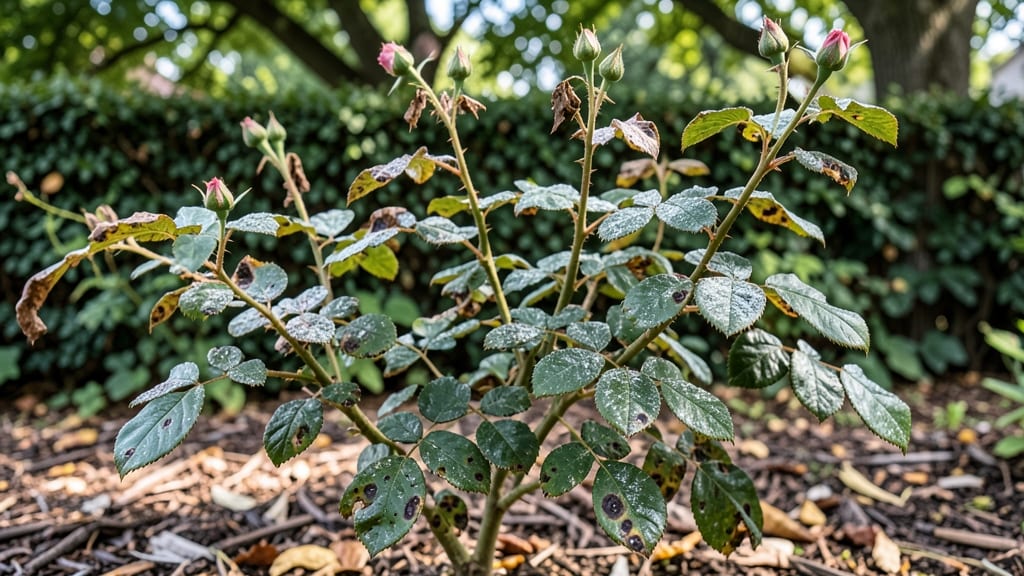
Spotting fungal issues on your Knockout roses starts with studying the knockout rose disease images—because those black spots or fuzzy patches aren’t just unsightly, they’re warnings your plant needs help. 🌿 I’ve seen firsthand how quickly powdery mildew can turn vibrant foliage into a white, powdery mess, or how canker lesions can weaken stems until they snap under a summer storm.
This guide breaks down the visual red flags so you can act before diseases take over.
Most fungal problems pop up when roses get stressed—too much shade, poor airflow, or overwatering create the perfect breeding ground. The good news? Early detection means simple fixes like pruning infected leaves, applying fungicide sprays, or adjusting watering habits can save your bushes.
I’ve used neem oil and copper fungicide with great success, but timing matters—treat at the first sign, not when the problem’s out of control.
You’ll learn to distinguish between black spot’s dark, circular lesions and powdery mildew’s white, dusty coating, plus how canker shows up as sunken, discolored patches on stems.
With these visual cues, you’ll catch issues before they spread, keeping your Knockout roses healthy and blooming all season. Let’s get your roses back to their best.
Whether you’re dealing with a single leaf or a full bush under siege, this guide gives you the tools to diagnose and treat—no guesswork, just actionable steps. And if the problem feels overwhelming, we’ll cover when to call in a pro for a second opinion.
Your roses deserve to thrive, and this is how you make it happen.
Root Causes Of Knockout Rose Fungal Issues
Fungal diseases like black spot, powdery mildew, and rose rosette in Knockout roses don’t just appear out of nowhere—they thrive due to specific environmental and biological triggers.
Understanding why these problems start helps you take proactive steps to prevent them before they wreck your prized roses. Here’s a breakdown of the key culprits:
Fungal spores love stagnant, humid conditions—especially when roses are packed too tightly together. Why? - Limited airflow traps moisture on leaves and stems, creating the perfect breeding ground for pathogens like Diplocarpon rosae (black spot) or Podosphaera panicula (powdery mildew). - Shaded, dense foliage slows evaporation, keeping surfaces damp longer. - Actionable fix: Space Knockout roses 3–4 feet apart and prune aggressively to open the canopy.
Thin out suckers or overgrown branches to improve circulation.
Roses need consistent moisture, but soggy soil and wet leaves are a fungal feast. Why? - Prolonged leaf wetness (over 10 hours) encourages spore germination.
Black spot, for example, spreads rapidly when leaves stay damp. - Poor drainage leads to waterlogged roots, weakening the plant’s defenses. - Actionable fix: - Water early in the day (before 10 AM) to allow foliage to dry. - Use drip irrigation (not overhead sprinklers) to keep leaves dry. - Amend soil with compost or perlite to improve drainage.
Fungal diseases often hitch a ride on tools, wind, or infected plant debris. Why?
- Spore survival: Pathogens like rose rosette (Rhodococcus pili) can lie dormant in old rose canes or mulch for years.
- Tool transfer: Pruners contaminated with black spot spores can spread the disease to healthy plants.
- Actionable fix:
- Sterilize tools between cuts with 70% rubbing alcohol or a 10% bleach solution.
- Remove and destroy infected leaves/canes immediately (don’t compost them!).
- Rotate planting locations every few years to break the spore cycle.
Knockout roses are tough, but heatwaves + humidity or late frosts stress plants, making them vulnerable. Why?
- Heat stress weakens cell walls, giving fungi easier entry points.
- Cold damage (below 20°F) can create wounds where pathogens like rose rosette enter.
- Actionable fix:
- Mulch heavily (3–4 inches of wood chips) to regulate soil temperature.
- Provide afternoon shade in hot climates (use shade cloth if needed).
- Avoid late-season pruning when frosts are possible.
Some pests (like Japanese beetles or rose slugs) chew leaves, creating entry points for fungi. Why?
- Physical damage disrupts the rose’s protective waxy coating, inviting infections.
- Honeydew (from aphids) attracts sooty mold, which blocks sunlight and stresses the plant.
- Actionable fix:
- Monitor for pests regularly—use neem oil or insecticidal soap as a preventative.
- Introduce beneficial insects (ladybugs, lacewings) to control beetle populations naturally.
Too much (or too little) of certain nutrients can leave roses defenseless. Why?
- Nitrogen overload promotes lush, soft growth—prime real estate for fungal spores.
- Phosphorus/potassium imbalances weaken root and stem strength, making plants more susceptible.
- Actionable fix:
- Test soil annually and adjust fertilizers (aim for a balanced 10-10-10 or slow-release organic).
- Avoid high-nitrogen fertilizers in late summer/fall to toughen up growth.
Regional climate plays a huge role—humid summers or frequent rain create ideal fungal conditions. Why?
- Relative humidity >75% for prolonged periods encourages spore germination.
- Back-to-back rainy days (without drying periods) drown spores in moisture.
- Actionable fix:
- Choose low-humidity planting spots (avoid low-lying areas).
- Use fungicides preventatively (like neem oil or copper fungicide) before rainy seasons.
Pro Tip 💡: Prevention is cheaper than cure! A mix of proper spacing, targeted watering, and seasonal monitoring can slash fungal risks by 70% or more.
Keep an eye out for early signs (like yellow spots or white powder) and act fast—your Knockout roses will thank you with bold blooms all season.
Fixing Fungal Foes in Roses
Fungal diseases can turn your knockout roses from vibrant stars of the garden into sad, wilted relics—fast. But don’t panic! With the right approach, you can revive your roses and keep them thriving.
Below, we’ve mapped out practical fixes for common fungal issues, tailored to their root causes. Plus, we’ll share prevention tips to stop future outbreaks before they start.
Cause: Diplocarpon rosae thrives in humid, shady conditions, feasting on rose leaves and stems.
How to Fix It: 🔥 Prune Aggressively Remove all infected leaves (even those with tiny spots) and sterilize your pruners with rubbing alcohol. Burn or toss diseased foliage—never compost it!
🍳 Fungicide Spray Schedule Apply a copper-based or sulfur fungicide (like Neem Oil or Myclobutanil) every 7–14 days during wet seasons. For organic gardens, baking soda spray (1 tbsp baking soda + 1 tsp oil + 1 gallon water) works as a preventive.
👨🍳 Boost Airflow & Sunlight
- Space plants 3–4 feet apart to reduce humidity.
- Thin out dense canes to improve airflow.
- Water at the base (avoid overhead sprinkling).
🌡️ Prevention Pro Tips ✅ Morning watering lets leaves dry by evening. ✅ Mulch with gravel (not wood chips) to deter fungal spores. ✅ Plant resistant varieties like ‘Knock Out Red’ or ‘Radrazz’ (they tolerate black spot better).
Cause: Erysiphe pisi loves warm, dry conditions and coats leaves in a chalky white film, blocking sunlight.
How to Fix It: 🔥 Scrub Off Mild Infestations Use a soft brush or hose to remove mildew from leaves. Do this early in the day so foliage dries quickly.
🍳 DIY Fungicide Mix Combine:
- 1 quart milk (contains natural fungicides)
- 1 gallon water
- 1 tsp dish soap
Spray every 7–10 days at dawn or dusk.
🔪 Remove Severely Infected Growth Cut back heavily mildewed stems to the healthy wood. Dispose of clippings in the trash (not compost).
⏰ Adjust Watering Habits
- Water deeply but infrequently (1–2 inches per week).
- Avoid evening watering to prevent prolonged leaf wetness.
💡 Prevention Hack 🌿 Interplant with mildew-resistant companions like marigolds, garlic, or thyme—they improve airflow and deter fungi.
Cause: Rose rosette virus (spread by errant mites), turning roses into monstrous, thorny nightmares.
How to Fix It: ⚠️ NO CURE EXISTS—remove infected plants IMMEDIATELY (including roots!) to prevent spread.
🔥 Quarantine New Roses
- Inspect every new rose for reddish stems, distorted leaves, or excessive thorns.
- Buy certified disease-free stock from reputable nurseries.
🌡️ Preventative Measures 🛡️ Install fine mesh netting (like tulle fabric) over rose beds to block mites. 🚫 Avoid mulching with rose prunings (they can harbor mites). 🔍 Monitor for mites with a hand lens—look for tiny red spider-like pests on undersides of leaves.
💪 Strengthen Your Roses Naturally
- Fertilize with compost or balanced rose food (high in phosphorus for roots).
- Avoid over-fertilizing with nitrogen—it weakens plants, making them fungal magnets.
🌦️ Weather-Proof Your Garden
- Use a fungicide drench before prolonged rain (3+ days).
- Choose disease-resistant varieties (check labels for black spot/mildew resistance).
🧹 Sanitize Tools & Surfaces
- Wipe down pruners with 70% isopropyl alcohol between cuts.
- Clean garden beds with a 10% bleach solution (1 part bleach to 9 parts water) if fungi persist.
Final Thought: 🌸 A proactive garden is a fungus-free garden. By pruning early, improving airflow, and spraying preventatively, your knockout roses will stay bold, blooming, and disease-free for seasons to come!
Frequently asked questions
What are the most common knockout rose diseases I should watch for?
Look for black spot (dark circular spots with yellow halos), powdery mildew (white chalky coating on leaves), and rose rosette virus (reddish stems with distorted growth). These three are the most destructive for Knockout roses. Early detection is key—catch these before they spread!
How can I tell if my rose has black spot versus powdery mildew?
Black spot shows up as dark purple-black spots with yellow edges on leaves, often with tiny black dots in the center. Powdery mildew appears as a white, powdery film on leaf surfaces, especially on undersides. The biggest difference? Black spot damages leaf tissue while mildew just coats it.
Can I save a rose bush that has rose rosette virus?
Unfortunately, there's no cure for rose rosette virus. Once infected, the plant must be removed and destroyed immediately (including roots) to prevent spread. This viral disease is spread by mites and is highly contagious—don't compost infected plants!
What's the best time of day to water knockout roses to prevent diseases?
Water early in the morning (before 10 AM) to give leaves time to dry completely. Wet foliage for more than 10 hours creates perfect conditions for fungal spores. Avoid evening watering—this keeps leaves damp overnight when humidity is highest.
Will neem oil really prevent fungal diseases in my knockout roses?
Yes! Neem oil is a natural fungicide that disrupts fungal spores. Mix 1 teaspoon per quart of water with a drop of dish soap as a spreader, and apply every 7-14 days during wet seasons. It works best as a preventive measure when applied before problems appear.