
Tools
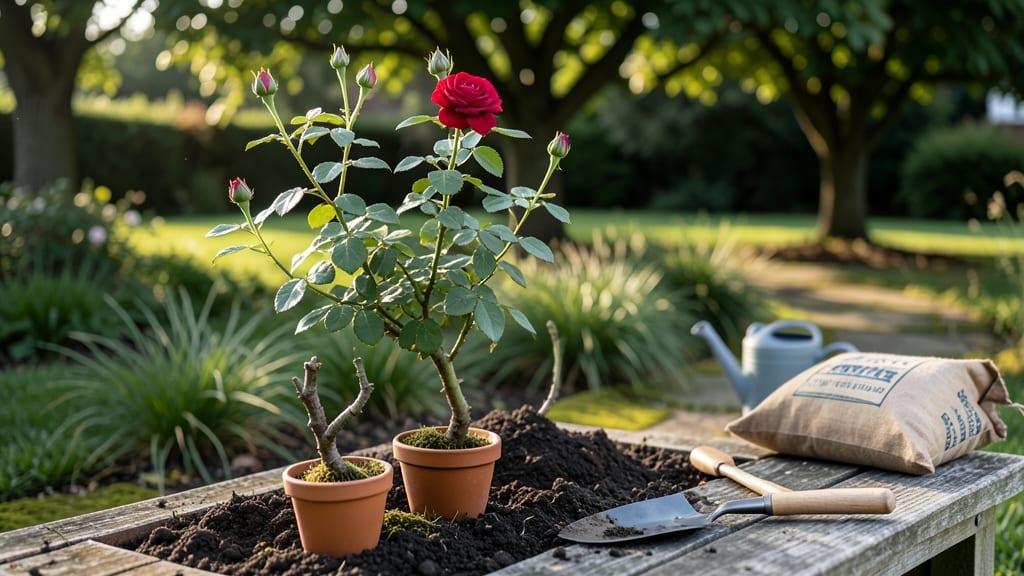
Creating a rose garden that smells like summer all season is easier than you think—start with the right varieties and a solid plan. 🌹 I designed my first rose garden after realizing my patio needed more fragrance and color, and now it’s the showstopper of my backyard.
The key is balancing climbers, shrubs, and ground covers so blooms never stop from spring through frost.
You’ll need sunny space (at least 6 hours of direct light), well-draining soil, and a mix of roses that thrive in your climate—think climbing roses for trellises, shrub roses for borders, and ground cover roses to fill gaps.
My garden uses a no-dig method for soil prep: just add compost and mulch, and the roots do the rest. Spacing matters too—give shrubs 2-3 feet of room and climbers 3-5 feet to spread.
By midsummer, you’ll have vibrant blooms in every shade, from creamy whites to deep velvety reds, all perfuming the air as you stroll through. The secret? Layered planting—tall climbers at the back, medium shrubs in the middle, and low ground covers up front.
Add a few companion plants like lavender or catmint to repel pests naturally.
This design works for small patios or sprawling backyards—just scale the roses to your space. The best part? With proper care, your garden will keep getting more stunning each year. Let’s get those roots in the ground!
📚 In This Guide
- What you need
- Instructions
- Tips and common mistakes
- Wrapping up and next steps
What you need
- ● Rose bushes: Choose climbing roses (like 'New Dawn' or 'Blaze') or shrub roses (e.g., 'Knock Out' series). Quantity depends on spacing—3–6 feet apart for shrubs, 6–8 feet apart for climbers.
- ● High-quality potting soil: 2–3 cubic yards (or 10–15 bags) for planting. Opt for well-draining, compost-rich mix (pH 6.0–6.5).
- ● Organic mulch: 2–3 inches of wood chips or straw to retain moisture and suppress weeds.
- ● Fertilizer: Balanced granular fertilizer (10-10-10 or 20-20-20) for initial planting.
- ● Slow-release rose-specific fertilizer (e.g., Espoma Rose-Tone) for ongoing care.
- ● Compost or aged manure: 1–2 bags to enrich soil before planting.
- ● Garden trowel or spade for digging.
- ● Pruning shears (bypass type, sharp and clean).
- ● Garden hose with nozzle or watering can (5+ gallons).
- ● Wheelbarrow for transporting soil/mulch.
- ● Measuring tape for spacing plants accurately.
- ● Gloves (heavy-duty for thorny roses).
- ○ Optional: Soil pH test kit (to check acidity levels).
- ● Rose trellis or arbor (for climbing varieties).
- ● Drip irrigation system (for automated watering).
- ● Sunlight: 6+ hours of direct sun daily (morning sun is ideal).
- ● Location: Flat or slightly sloped ground with good drainage (avoid low spots where water pools).
- ● Timing: Plant bare-root roses in early spring or container-grown roses in fall (check local frost dates).
- ● Permits (if applicable): Check local regulations for large-scale landscaping.
Step-by-step guide to designing a fragrant rose garden
Here's how to create a lush, year-round blooming rose garden with climbers that fill the air with scent.
🌱 Step 1: Choose the Right Rose Varieties for Year-Round Blooms
Select climbing roses with overlapping bloom times to ensure continuous fragrance. I recommend David Austin English Roses like 'Gertrude Jekyll' (spring to fall) paired with repeat-blooming climbers such as 'New Dawn' (spring through frost). These varieties naturally climb trellises or arbors, creating a fragrant vertical display.
For maximum fragrance, prioritize roses with high essential oil content—look for descriptions like "strong scent" or "old garden rose fragrance." Avoid hybrid teas if you want year-round blooms; they typically flower only once per season. Plant 4 climbing roses (one per trellis) for a balanced, fragrant garden that thrives in full sun (6+ hours daily).
🪴 Step 2: Prepare the Planting Site for Optimal Growth
Test your soil's pH—roses thrive in slightly acidic to neutral soil (6.0-6.5). Amend heavy clay with 3 inches of compost mixed into the top 12 inches of soil. I dig a hole twice as wide as the root ball but only as deep to prevent burying the graft union (visible as a swollen bump on bare-root roses).
Place a 4-inch layer of gravel at the bottom of each hole for drainage, especially in clay-heavy soils. Water the hole thoroughly before planting to settle the soil and remove air pockets. The goal is moist but well-drained soil—roses wilt quickly in soggy conditions. Space trellises 6-8 feet apart to allow airflow and prevent disease.
☀️ Step 3: Plant Roses and Install Support Structures
Remove roses from their containers and loosen roots gently if pot-bound. Position the plant so the graft union sits 2-3 inches above soil level—this ensures strong growth from the desired variety. Backfill with native soil mixed with compost (use the 3 gallons you prepared) and water deeply to eliminate air gaps.
Install 6-foot tall metal or wooden trellises immediately after planting. Secure the main stem to the trellis with soft plant ties (never wire, which can damage bark). Prune any dead or crossing branches at a 45-degree angle just above an outward-facing bud. Water deeply twice weekly for the first month to encourage root establishment.
✂️ Step 4: Prune and Train for Continuous Blooms
Prune late winter (just before buds swell) to remove dead, crossing, or inward-growing branches. Cut back last year's blooms to just above a strong outward bud—this encourages new growth and more flowers. I shape my climbers into a modified vase form, keeping the main stem vertical with 3-4 strong lateral branches spaced evenly up the trellis.
Train new canes to climb the trellis by gently bending and tying them with soft plant ties. Remove suckers (shoots growing below the graft union) immediately—they drain energy from the main plant. Fertilize monthly with a balanced rose food (10-10-10) during the growing season, but reduce nitrogen in fall to harden plants for winter.
💧 Step 5: Maintain Soil and Water for Fragrant, Disease-Free Roses
Mulch with 3 inches of organic mulch (like wood chips) to retain moisture and suppress weeds. Keep mulch 2 inches away from the stem to prevent rot. Water deeply at the base (avoid overhead watering) to encourage strong root growth and reduce fungal diseases like black spot. You'll know your watering is right when the top 2 inches of soil feel dry before the next watering.
Monitor for pests like aphids or Japanese beetles—spray with neem oil at the first sign of damage. Deadhead spent blooms weekly to redirect energy into new flowers. In late fall, apply a 4-inch layer of compost around the base and cover the soil with straw mulch to insulate roots during winter. With this care, your climbers will reward you with fragrant blooms from spring through frost.
Tips & tricks for perfect fragrant rose climbers
Creating a fragrant rose garden that blooms year-round takes a few strategic choices that make all the difference. Here's what I've learned from years of growing these climbers without fail.
Variety Selection Strategy: When choosing your climbing roses, look for labels that mention "strong scent" or "old garden rose fragrance" — these are your best bet for that intoxicating aroma. I've found that pairing one David Austin English Rose (like 'Gertrude Jekyll') with a repeat-blooming climber (such as 'New Dawn') creates a perfect overlap of fragrance from spring through frost. The key is selecting varieties that naturally climb rather than sprawl, as they'll perform best on trellises. This combination ensures you'll have blooms at different stages throughout the growing season, maximizing your garden's scent profile.
Soil Preparation Secret: The 3 inches of compost mixed into the top 12 inches of soil isn't just about nutrients—it's about creating the perfect air-to-water ratio. I've seen roses struggle in soil that's either too dense or too sandy. For clay-heavy soils, that 4-inch gravel layer at the bottom of each planting hole becomes absolutely critical. It prevents waterlogging while still maintaining moisture retention. Remember to water the hole thoroughly before planting—this helps settle the soil and removes air pockets that could strangle young roots.
Pruning Precision: Late winter pruning (just before buds swell) is your chance to shape your roses for maximum fragrance and bloom production. When cutting back last year's blooms, aim for just above a strong outward-facing bud—this encourages new growth that will bear more flowers. I shape my climbers into a modified vase form with 3-4 strong lateral branches spaced evenly up the trellis. This creates an ideal structure for airflow while maximizing vertical growth. The 45-degree angle cut is crucial—it prevents water from pooling on the cut surface, which could lead to disease.
Winter Protection: That late fall 4-inch layer of compost and straw mulch isn't just decorative—it's your roses' winter blanket. The compost provides essential nutrients while the straw insulates roots from freezing temperatures. I've seen roses survive harsh winters with this protection that would otherwise have suffered frost damage. Just be sure to keep the mulch 2 inches away from the stem to prevent rot. This simple layering system makes all the difference in maintaining healthy plants that reward you with fragrant blooms the following spring.
Pro Tips for Making A Rose Garden
- Creating a fragrant rose garden that blooms year-round takes a few strategic choices that make all the difference.
- Variety Selection Strategy: When choosing your climbing roses, look for labels that mention "strong scent" or "old garden rose fragrance" — these are your best bet for that intoxicating aroma.
- Soil Preparation Secret: The 3 inches of compost mixed into the top 12 inches of soil isn't just about nutrients—it's about creating the perfect air-to-water ratio.
Frequently asked questions
Got questions about creating your dream rose garden? Here are some of the most common ones—plus straightforward answers to help you grow with confidence!
What’s the best time of year to plant roses for a year-round bloom?
For spring bloomers, plant in early spring (after the last frost) or fall (6–8 weeks before winter). Repeat-blooming varieties (like hybrid teas or floribundas) thrive with fall planting—they establish roots before winter and burst into color earlier. Pro tip: Mulch well after planting to protect roots from temperature swings!
How often should I water my rose garden to keep roses blooming nonstop?
Water deeply 1–2 times per week (more in extreme heat or drought). Aim for 1–1.5 inches of water per week, focusing on the soil—not the leaves—to prevent fungal diseases. Morning watering is ideal: it reduces evaporation and gives foliage time to dry before evening humidity sets in.
What are the most common pests in rose gardens, and how do I stop them naturally?
Watch for aphids (tiny green/black clusters), Japanese beetles (skeletonized leaves), and rose slugs (slimy trails). Combat them with:
- Neem oil spray (deters aphids/beetles)
- Handpick beetles into soapy water
- Beneficial nematodes (for rose slugs)
- Companion plants like garlic or marigolds
Can I grow roses in containers, or do they need a full garden bed?
Dwarf or miniature roses thrive in 5-gallon+ containers with drainage holes. Use a well-draining potting mix (add perlite or sand) and fertilize monthly. Move pots to sunny spots in winter if temps drop below 20°F. Climbing roses need larger pots (15+ gallons) and sturdy trellises.
How long does it take for a rose garden to look established and bloom year-round?
Most roses take 1–2 years to mature and bloom reliably. First-year plants focus on root growth—expect sparse blooms. Prune wisely in late winter to encourage bushier growth. For year-round color, mix spring bloomers (like David Austin English roses) with late-season varieties (e.g., ‘Knock Out’ roses) and fall-blooming climbers.
What tools do I really need beyond the basics (like pruners and gloves)?
Essential upgrades:
Tool
Why It Helps
Rose fork
Loosens compacted soil around roots without damaging them.
Adjustable trellis
Supports climbing roses and improves airflow (reduces disease).
Soil pH tester
Roses prefer 6.0–6.5 pH; adjust with lime (raise) or sulfur (lower).
Mulch spreader
Saves time and ensures even coverage to retain moisture.
Wrapping up and next steps
Creating a fragrant, year-round rose garden is a rewarding journey that blends artistry with patience. From selecting the right roses to nurturing them with care, every step brings you closer to a blooming paradise. 🌹✨
Now that you’re armed with knowledge, take the first step—whether it’s sketching your garden layout, sourcing plants, or testing your soil. Remember, even the most stunning gardens start with a single seed (or sapling!). Happy planting, and may your roses flourish with beauty and scent!