
Shrubs
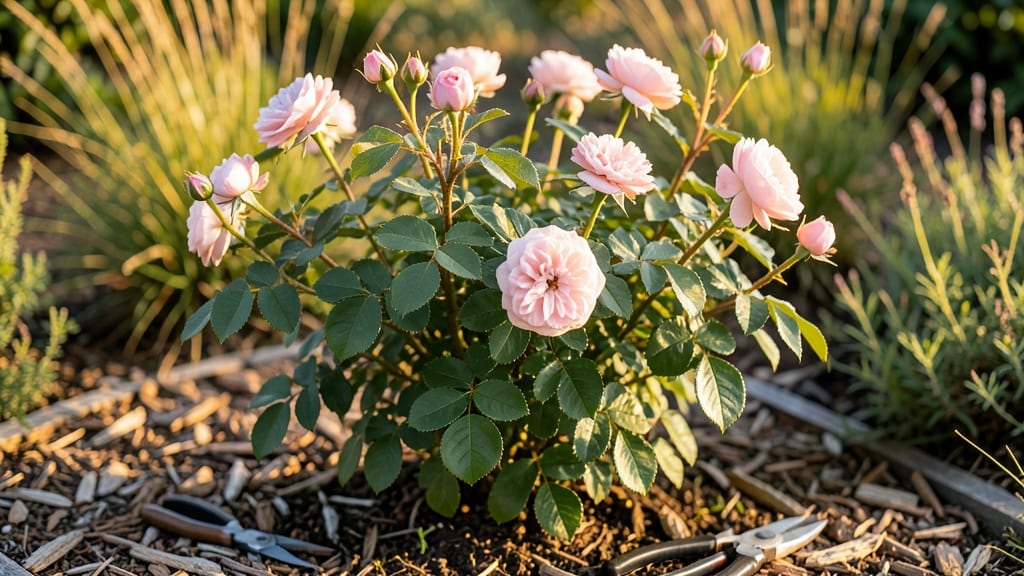
Planting a Gertrude Jekyll shrub rose means waking up to clouds of apricot-yellow blooms that smell like a spring morning. 🌸 This isn’t just another rose—it’s a year-round performer that thrives in partial shade, making it perfect for spots where sun-loving roses fail.
My first Gertrude Jekyll climbed a trellis in just two seasons, proving how hardy and adaptable it truly is. The secret starts with the right spot: well-draining soil rich in organic matter and 6+ hours of morning sun.
Unlike fussy roses, this one tolerates USDA Zones 5-9 and even handles urban pollution. You’ll need a sturdy support structure (arbor, fence, or trellis) since it can reach 8-10 feet tall—though mine stays compact with light pruning.
Once established, this rose rewards you with four seasons of blooms—spring’s bold flowers, summer’s repeat flushes, and even occasional winter blooms in mild climates. The fragrance lingers long after cutting, and the disease resistance means fewer headaches than hybrid teas.
Just avoid overwatering (it hates soggy roots) and feed it balanced rose fertilizer twice a year. For pruning, focus on removing dead wood in late winter and thinning crowded stems in early summer. My biggest mistake?
Cutting too aggressively—I learned the hard way that Gertrude Jekyll blooms on old wood too. With this care, you’ll have a low-maintenance, fragrant centerpiece that outshines store-bought bouquets.
📚 In This Guide
- What you need
- Instructions
- Tips and common mistakes
- Wrapping up and next steps
What you need
- ● Gertrude Jekyll Shrub Rose Bareroot or Potted Plant: 1 healthy, disease-free plant (check for strong canes and vibrant foliage)
- ● Choose from mail-order nurseries (e.g., blank">David Austin Roses, blank">White Flower Farm) or local garden centers
- ● Well-Draining Soil Mix: 50% high-quality garden soil (or native soil amended with compost)
- ● 30% compost or aged manure (for nutrients)
- ● 20% perlite or coarse sand (to prevent waterlogging)
- ● Organic Fertilizer: 1 lb balanced rose fertilizer (e.g., 10-10-10 or fish emulsion)
- ○ Bone meal (1 cup) for root development (optional but recommended)
- ● Mulch: 2–3 inches of wood chips, straw, or pine bark (to retain moisture and regulate temperature)
- ● Hand Trowel (for digging small holes)
- ● Pruning Shears (sterilized with rubbing alcohol)
- ● Garden Gloves (to protect from thorns)
- ● Watering Can or Hose with Adjustable Nozzle (for gentle watering)
- ● Measuring Tape or Ruler (to ensure proper spacing)
- ○ Stakes or Trellis (Optional): 2–4 metal or wooden stakes (4–6 ft tall) for support
- ● Soft twine or plant ties to secure canes (if climbing)
- ● Sunlight: A location with full sun (6+ hours/day)—Gertrude Jekyll thrives with plenty of light!
- ● Spacious Planting Site: Minimum 3–4 feet of width and 4–5 feet of height clearance (for mature growth)
- ● Avoid planting near large trees that compete for nutrients
- ● Water Access: A nearby garden hose or water source for consistent moisture (especially during the first year)
- ● Patience! 🌱 Shrub roses take 2–3 years to reach full bloom potential.
Step-by-Step guide to planting and cultivating Gertrude Jekyll shrub roses
Here’s how to establish this fragrant, repeat-blooming beauty with confidence—from site prep to year-round care.
🌱 Step 1: Choose the Perfect Planting Site and Prepare the Soil
Gertrude Jekyll thrives in full sun—at least 6 hours of direct light daily—but tolerates morning sun with afternoon shade in hotter climates. Avoid low-lying areas where cold air pools, as this rose is hardy to USDA Zone 5 but benefits from winter mulch in colder regions. Test your soil’s pH: aim for 6.0–6.5, slightly acidic. If your soil is heavy clay, amend with 3–4 inches of compost mixed into the top 12 inches of soil. The roots love airy, well-draining conditions, so avoid soggy spots.
Dig a hole twice as wide as the root ball but only as deep as the container’s root base. Loosen the sides of the hole with a shovel to encourage root spread. I always add a handful of bone meal (if not using it later) to the bottom—this rose’s strong growth and fragrance come from robust root development. Water the hole thoroughly 24 hours before planting to prevent soil compaction when you install the plant.
🪴 Step 2: Plant with Care to Ensure Strong Establishment
Gently remove the rose from its container and loosen any circling roots with your fingers—never prune them now. Place the plant in the hole so the graft union (the swollen bump near the base) sits 2–3 inches below soil level. This protects the plant from winter heaving and encourages bushier growth. Backfill with native soil mixed with compost, tamping lightly every 2 inches to eliminate air pockets.
Water deeply immediately after planting to settle the soil and eliminate gaps. The top of the root ball should be 1 inch below the surrounding soil line—this prevents the graft from drying out. Mulch with 2–3 inches of organic mulch (like shredded bark), keeping it 6 inches away from the stem to avoid rot. Gertrude Jekyll’s fragrance and repeat blooms depend on strong roots, so don’t skip this step.
☀️ Step 3: Prune for Structure and Encourage Blooms
Prune Gertrude Jekyll in early spring, just as new growth begins. Remove dead, diseased, or crossing branches first, then cut back last year’s growth by one-third to open the center for airflow. This rose blooms on both old and new wood, so avoid heavy pruning in fall—it needs those stems to produce spring flowers. Look for 5-leaflet leaves (a sign of healthy growth) to guide your cuts. I always prune at a 45-degree angle, just above an outward-facing bud, to encourage strong, upward growth.
Deadhead spent blooms regularly throughout the season to prompt continuous flowering. The more you remove faded flowers, the more energy the plant directs toward new buds. In late summer, give the rose a light trim to remove any leggy growth—this keeps the shrub compact and prevents winter damage. Avoid pruning after mid-September, as new growth won’t harden off before cold weather.
💧 Step 4: Water and Feed for Year-Round Fragrance
Water deeply once a week (or more in extreme heat) to encourage deep root growth. Gertrude Jekyll is drought-tolerant once established, but wilting blooms mean it’s thirsty. Water at the base, not overhead, to prevent fungal diseases like black spot. The soil should be dry 1–2 inches down before watering again—stick your finger in to check. Overwatering is the fastest way to kill this rose, so never let it sit in soggy soil.
Feed with a balanced rose fertilizer (10-10-10 or similar) every 4–6 weeks from spring through early summer. Switch to a low-nitrogen, high-phosphorus fertilizer (like 5-10-5) in late summer to encourage fall blooms. I also top-dress with compost in early spring for slow-release nutrients. Avoid high-nitrogen fertilizers in fall—they promote tender growth that won’t survive winter.
⏰ Step 5: Protect and Maintain for Winter Hardiness
Before the first frost, mulch heavily with 4–6 inches of straw or leaves, piling it 6 inches away from the stem to prevent rot. Gertrude Jekyll is cold-hardy, but young plants or harsh winters benefit from wrapping the canes with burlap or rose cones. Prune lightly in late winter (February) to remove any dead wood, but wait until after the last frost to do major shaping.
Watch for aphids or spider mites in spring—they love new growth. Spray with neem oil if you spot sticky residue on leaves or fine webbing. This rose’s velvety, cupped blooms are its signature, so never use systemic pesticides that can damage flowers. With proper care, Gertrude Jekyll will reward you with fragrant blooms from early summer through fall, and even a few hardy flowers in spring before the main flush.
Tips & tricks for perfect Gertrude Jekyll shrub rose cultivation
A few strategic moves will transform your Gertrude Jekyll into a fragrant, repeat-blooming powerhouse. These are the secrets I've learned after years of growing this classic shrub.
Soil Preparation Secret: The 24-hour pre-watering trick in Step 1 isn't just about hydration—it's about creating an ideal planting environment. When you water the hole a full day before planting, you're actually helping the soil settle and eliminating air pockets that could strangle young roots. I've found that adding a handful of bone meal at the bottom of the hole (as mentioned) gives an extra boost to root development, especially in cooler climates where the growing season starts slowly. This is particularly important for Gertrude Jekyll, which relies on strong roots for its signature fragrance and abundant blooms.
Pruning Precision: When you're pruning in early spring (Step 3), pay close attention to those 5-leaflet leaves—they're your golden ticket to healthy growth. The 45-degree angle cut just above an outward-facing bud isn't just technical advice; it's about directing the plant's energy where you want it. I've noticed that when I make clean cuts like this, the new growth is thicker and more vigorous. Remember, Gertrude Jekyll blooms on both old and new wood, so those stems you're preserving now will produce next year's flowers.
Watering Wisdom: The once-a-week deep watering (Step 4) is crucial, but timing matters just as much. Water in the early morning so the foliage has all day to dry, preventing fungal diseases like black spot that can ruin those velvety blooms. I've learned to check soil moisture by sticking my finger 1-2 inches down—this gives you a better sense of when your rose truly needs water than just looking at the surface. Overwatering is the silent killer of roses, so let the soil dry out between waterings, especially in cooler weather when evaporation is slower.
Winter Protection Strategy: That 4-6 inches of mulch before frost (Step 5) isn't just about insulation—it's about creating a microclimate that protects the roots from extreme temperature fluctuations. I've found that piling the mulch 6 inches away from the stem (as instructed) prevents rot while still insulating the root zone. For young plants or particularly harsh winters, adding burlap wraps around the canes gives that extra layer of protection without smothering the plant. This careful winter prep is what allows Gertrude Jekyll to push out those early spring blooms before the main flush.
Pro Tips for Gertrude Jekyll Shrub Rose
- A few strategic moves will transform your Gertrude Jekyll into a fragrant, repeat-blooming powerhouse.
- Soil Preparation Secret: The 24-hour pre-watering trick in Step 1 isn't just about hydration—it's about creating an ideal planting environment.
- Pruning Precision: When you're pruning in early spring (Step 3), pay close attention to those 5-leaflet leaves—they're your golden ticket to healthy growth.
Frequently asked questions
Got questions about the Gertrude Jekyll shrub rose? You’re not alone!
Here are answers to the most common ones—from pruning tips to pest worries—so you can grow this fragrant beauty with confidence.
How fast does the Gertrude Jekyll rose grow, and how big will it get?
The Gertrude Jekyll is a vigorous climber, typically growing 3–6 feet per year with mature heights of 10–15 feet (or more with support!). With proper training, it can even reach 20+ feet on sturdy trellises or fences. Pro tip: Prune in late winter to control size and encourage bushier blooms.
When is the best time to plant Gertrude Jekyll roses?
Plant in early spring or fall (4–6 weeks before frost) for the best root establishment. Avoid extreme heat or cold—spring is ideal in warmer climates, while fall works better in cooler zones. Bonus: Amend soil with compost to help roots settle faster!
How do I keep Gertrude Jekyll roses blooming all season?
This rose thrives with regular deadheading (remove spent blooms) and seasonal pruning. Feed with a balanced rose fertilizer (10-10-10) in spring and mid-summer. Troubleshoot: If blooms slow in summer, check for overcrowding or nutrient deficiencies—trim back foliage for airflow.
What pests or diseases commonly affect Gertrude Jekyll roses, and how do I prevent them?
Watch for aphids, black spot fungus, and rose slugs. Prevent pests with neem oil sprays and mulch to retain moisture. For fungal issues, space plants for airflow and avoid overhead watering. Quick fix: Prune infected leaves immediately and apply copper fungicide if needed.
Can I grow Gertrude Jekyll roses in containers, or do they need a garden bed?
While they prefer garden beds, you can grow them in large containers (15+ gallons) with well-draining soil. Use a trellis or obelisk for support. Key tip: Water containers daily in hot weather—they dry out faster than in-ground plants!
Wrapping up and next steps
Gertrude Jekyll isn’t just a rose—it’s a fragrant, low-maintenance superstar that rewards gardeners with vibrant blooms and effortless charm. Whether you’re drawn to its year-round foliage, disease resistance, or versatile climbing habits, this shrub rose proves beauty and resilience go hand in hand. 🌸
Ready to invite this classic into your garden? Start by selecting the perfect spot, gathering your supplies, and planting with confidence. With the right care, Gertrude Jekyll will thrive—and so will your green thumb! 🌱
- Next step: Sketch a quick planting plan or browse local nurseries for your own Gertrude Jekyll.