
Flowers
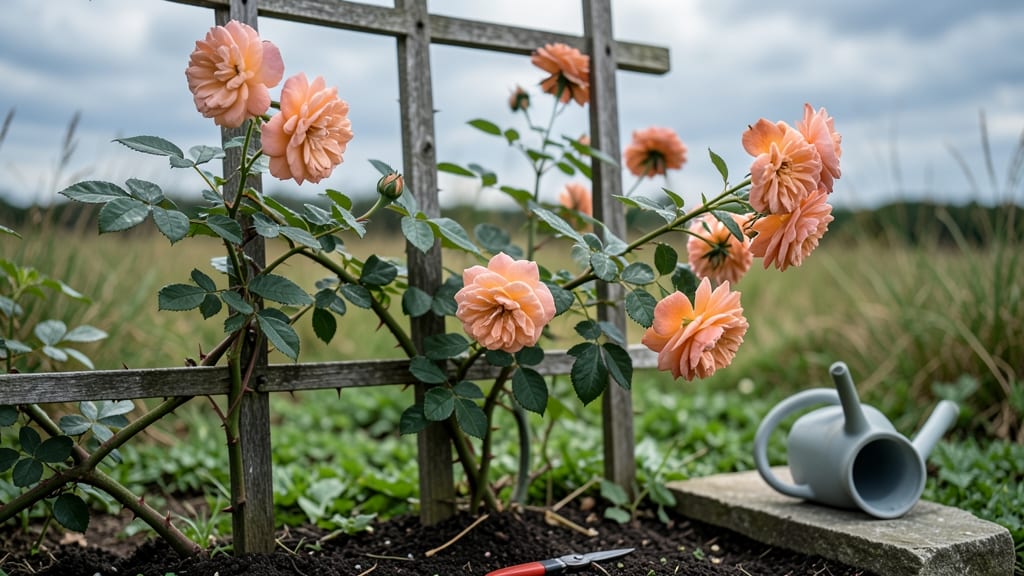
The Maurice Utrillo rose tree isn't just a plant—it's a living piece of Art Deco history with velvety pink blooms that last from spring through fall. 🌹 I first spotted one in a Parisian courtyard, and it became the centerpiece of my own garden within weeks.
Its arching branches and delicate, slightly cupped flowers bring that old-world glamour to any space, whether you're going for cottage charm or bold statement-making.
What makes this rose stand out is its romantic, slightly old-fashioned look—think soft pink petals with a hint of cream at the center, layered like a vintage watercolor. The fragrance is light but intoxicating, perfect for strolling past on a summer evening.
Unlike many climbers, it grows in a compact, tree-like form, making it ideal for small gardens or as a focal point in ornamental beds.
Pair it with silver foliage plants like lamb's ear or dusty miller to make the pinks pop even more, or tuck it near a trellis where its graceful branches can spill over.
In colder climates, its disease-resistant nature means fewer worries about winter dieback. The result? A garden that feels like a scene straight out of a 1920s Parisian film.
Whether you're designing a cottage garden, a modern courtyard, or just want a rose that turns heads, this is the one. The Maurice Utrillo doesn’t just grow—it transforms your space into a living work of art.
📚 In This Guide
- What you need
- Instructions
- Tips and common mistakes
- Wrapping up and next steps
What you need
- ● Rose Varieties: 1-2 Climbing Roses (e.g., 'Blaze', 'New Dawn', or 'Zephirine Drouhin'—Utrillo’s favorite!)
- ● 1-2 Floribunda or Hybrid Tea Roses (for lush blooms, like 'Iceberg' or 'Double Delight')
- ● Support Structure: 1 Arbor, trellis, or sturdy pergola (6–8 ft tall, metal or wood)
- ● 1 Wire or twine (for training vines, ~50 ft)
- ● Soil & Fertilizer: 1 bag Well-draining potting mix (or garden soil amended with compost)
- ● 1 Slow-release rose fertilizer (e.g., Osmocote or Miracle-Gro)
- ● 1 Epsom salt (1 tbsp/month for magnesium boost)
- ● Garden Tools: 1 Pruning shears (sharp, sterilized)
- ● 1 Trowel or spade (for planting)
- ● 1 Gloves (to protect hands from thorns)
- ○ Optional (But Helpful!): 1 Rose food or liquid fertilizer (for extra blooms)
- ● 1 Mulch (wood chips or straw to retain moisture)
- ● 1 Decorative elements (wrought-iron accents, vintage lanterns, or mosaic tiles for Utrillo-inspired flair!)
How to plant and care for a Maurice Utrillo rose tree
This iconic Art Deco rose brings drama and fragrance to any garden—here's how to make it thrive.
🌱 Step 1: Choose the Perfect Planting Location
Maurice Utrillo roses need full sun—at least 6 hours daily—to produce their signature blooms. I always pick a spot sheltered from strong afternoon winds, which can tear delicate petals. The tree's unique, arching branches also benefit from room to grow, so avoid tight corners or crowded borders.
Test the site in late afternoon when the sun is lowest. If the area stays in shade for more than 2 hours, supplement with a grow light during winter months when daylight shortens. The soil should drain well but retain moisture—Utrillo roses hate soggy roots. Amend heavy clay with 2-3 inches of compost before planting.
☀️ Step 2: Plant at the Right Time and Depth
Plant your Maurice Utrillo rose in early spring after the last frost but before new growth begins. The tree's roots establish best when soil temperatures reach 50°F or warmer. Dig a hole twice as wide as the root ball but only as deep—planting too deep suffocates the graft union.
Loosen the root ball gently if it's tightly bound, then place the tree in the hole so the top of the root ball sits 1 inch above ground level. This prevents water from pooling around the trunk. Backfill with native soil mixed with 1 part compost, tamping lightly to remove air pockets. Water deeply to settle everything.
💧 Step 3: Water and Mulch for First-Year Success
Water deeply 2-3 times per week for the first 3 months, keeping the soil consistently moist but not soggy. You'll know you're doing it right when water drains through 6-8 inches deep within 30 minutes. Overwatering causes root rot, which is fatal for these delicate trees.
Apply 3 inches of mulch around the base, keeping it 6 inches away from the trunk. I use shredded bark because it breaks down slowly and improves soil structure over time. Replenish mulch annually in early spring—this conserves moisture and regulates soil temperature, which is crucial during hot summers.
✂️ Step 4: Prune for Shape and Health Year-Round
Prune in late winter (just before buds swell) to shape the tree and encourage dense flowering. Remove 1/3 of last year's growth from the outer branches, cutting just above an outward-facing bud. This maintains the tree's natural, weeping form while preventing overcrowding.
Deadhead spent blooms regularly during the growing season to redirect energy into new flowers. I also trim any crossing branches or suckers growing from the base—these compete with the main structure. Sterilize pruners with rubbing alcohol between cuts to prevent disease spread. The goal is to keep the tree's iconic, cascading silhouette intact.
🌿 Step 5: Fertilize and Protect for Long-Term Beauty
Feed in early spring with a balanced rose fertilizer (10-10-10 ratio) applied according to package instructions. I follow up with a second application in mid-summer to support continuous blooming. Avoid high-nitrogen fertilizers—they produce lush foliage at the expense of flowers.
Watch for aphids and spider mites, which love the tender new growth. Spray with neem oil weekly during peak growing season if you spot sticky residue on leaves. The tree's thorny branches naturally deter many pests, but regular checks prevent infestations from taking hold. With proper care, your Maurice Utrillo will reward you with year-round interest—fragrant blooms in spring, lush foliage in summer, and striking bark in winter.
Tips & tricks for perfect Art Deco rose tree care
Here's what I wish I knew before planting my first Maurice Utrillo—these tricks make all the difference for that iconic weeping silhouette.
Sunlight Secret: That 6-hour minimum of sun in Step 1 is non-negotiable, but here's the trick: place your tree where it gets morning sun and afternoon shade if you're in a hot climate. The delicate petals can scorch in intense afternoon rays. I test locations by observing how long shade lasts—anything over 2 hours means you'll need supplemental lighting during winter's shorter days.
Planting Depth Matters: The 1-inch above-ground rule in Step 2 prevents water pooling around the trunk, but here's what nobody tells you: if your soil is particularly dense, mound some extra soil around the base to create a gentle slope away from the trunk. This helps with drainage and prevents rot. I also make sure to loosen the root ball only enough to avoid damaging roots—just enough to encourage root spread without stressing the tree.
Watering Wisdom: Those 2-3 weekly waterings in Step 3 should be done in the morning so the foliage has time to dry before evening. Wet leaves overnight invite fungal diseases. I use a moisture meter to check that the soil stays consistently moist but never soggy—aim for the consistency of a wrung-out sponge. The 30-minute drainage test is your best friend here, especially in heavy clay soils.
Pruning Precision: When you're removing 1/3 of last year's growth in Step 4, look for branches that cross or grow inward—they'll compete with your tree's natural weeping form. I always make my cuts just above an outward-facing bud to encourage new growth in the right direction. Sterilizing pruners between cuts (as mentioned) is crucial, but I also dip them in rubbing alcohol after every 3-4 cuts to prevent cross-contamination of potential diseases.
Pro Tips for Maurice Utrillo Rose Tree
- Here's what I wish I knew before planting my first Maurice Utrillo—these tricks make all the difference for that iconic weeping silhouette.
- Sunlight Secret: That 6-hour minimum of sun in Step 1 is non-negotiable, but here's the trick: place your tree where it gets morning sun and afternoon shade if you're in a hot climate.
- This helps with drainage and prevents rot.
Frequently asked questions
Got questions about Maurice Utrillo’s iconic Rose Tree and how to bring its timeless elegance into your garden? Here are some of the most common inquiries—plus straightforward answers to help you plan with confidence.
What makes the Maurice Utrillo Rose Tree different from other roses?
The Rose Tree (often Rosa ‘Maurice Utrillo’) stands out for its artistic, almost painterly appearance. Its arching, thornless branches are covered in semi-double, blush-pink blooms that resemble a living sculpture. Unlike traditional roses, it’s prized for its year-round interest—even bare branches have charm! Plus, its fragrant flowers and disease resistance make it a low-maintenance star.
How fast does the Maurice Utrillo Rose Tree grow, and when will it bloom?
This beauty grows at a moderate pace—about 12–18 inches per year—so it’ll reach its full 6–8-foot height in 3–5 years with proper care. Blooms typically appear in late spring to early summer, with sporadic re-blooming through fall. Pro tip: Prune lightly after flowering to encourage bushier growth and more blooms next season!
Can I grow the Maurice Utrillo Rose Tree in containers, or does it need a garden bed?
While it thrives best in garden beds (with room to sprawl), you can grow it in a large container (20+ gallons) if you live in an urban space or have limited yard room. Use a well-draining, acidic soil mix and ensure the pot has drainage holes. Just know: container-grown roses may need more frequent watering and winter protection in cold climates.
What’s the best way to protect the Maurice Utrillo Rose Tree in winter?
This rose is hardy to USDA Zones 5–9, but young plants or colder regions need extra care. Mulch the base with 3–4 inches of organic mulch (like shredded bark) to insulate roots. For Zone 5 or below, wrap the canes in burlap or frost cloth and loosely cover with a dome-shaped frame (like a rose cone) to trap heat. Avoid heavy snow buildup—gently brush it off to prevent branch damage.
Are there alternatives to the Maurice Utrillo Rose Tree for smaller gardens?
If space is tight, consider these elegant, low-maintenance alternatives with similar charm:
All three offer Art Deco-inspired beauty without the sprawling growth.
Wrapping up and next steps
Maurice Utrillo’s iconic Rose Tree is more than just a stunning Art Deco masterpiece—it’s a timeless symbol of elegance that brings drama and romance to any garden, no matter the season. 🌹 With its year-round allure and striking visual impact, this rose variety is perfect for gardeners who crave both beauty and resilience.
Whether you’re a seasoned horticulturist or a budding enthusiast, adding this treasure to your outdoor space is a rewarding step toward creating a garden that feels like a living work of art.
Ready to bring Utrillo’s legacy to life? Start by sketching your garden’s layout, gathering your materials, and—most importantly—enjoy the process. Every rose you plant is a brushstroke in your own masterpiece! 🌿